KAI Coin: What It Is, Why It Matters, and What You Need to Know
When you hear about KAI coin, a little-documented cryptocurrency token often promoted in obscure online communities. Also known as KAI token, it appears in forums and social media with promises of quick gains—but rarely with clear details on who built it, what it does, or where it runs. Most coins like this don’t have whitepapers, team members, or real use cases. They’re created in minutes, pumped with fake volume, then abandoned. KAI coin fits that pattern.
It’s not a standalone blockchain or a major DeFi project. It doesn’t show up on CoinMarketCap or CoinGecko with reliable data. That’s not an accident. Legit projects get listed. They publish audits. They have Discord channels with active devs answering questions. KAI coin has none of that. Instead, it shows up alongside other low-liquidity tokens like CGX token, a fake exchange token tied to Cougar Exchange, which turned out to be a liquidity-less scam, or OCP coin, a crypto with zero circulating supply since 2018. These aren’t investments. They’re distractions—designed to lure people into buying tokens that no one else wants.
What’s worse? KAI coin often pops up in fake airdrop schemes. You’ll see posts saying, "Claim your free KAI tokens now!" But there’s no official website, no contract address you can verify, and no history of development. That’s the same playbook used in the ECIO airdrop, a fake giveaway that tricked users into connecting wallets and stealing funds. These scams don’t need fancy tech. They just need you to act fast before you think.
If you’re wondering whether KAI coin is worth your time, the answer is simple: it’s not. Real crypto projects don’t hide. They publish code on GitHub. They list on trusted exchanges. They explain how their token adds value. KAI coin does none of that. And if you’re seeing it promoted by influencers or Telegram groups, that’s a red flag. The people pushing it aren’t sharing a secret gem—they’re trying to offload their own holdings before the price crashes.
Below, you’ll find real posts about crypto tokens that actually exist, the scams that mimic them, and how to tell the difference. You’ll learn what a legitimate token looks like, how to check if a project is dead, and why most coins with names like KAI coin vanish within weeks. This isn’t about hype. It’s about protecting your money from the noise.
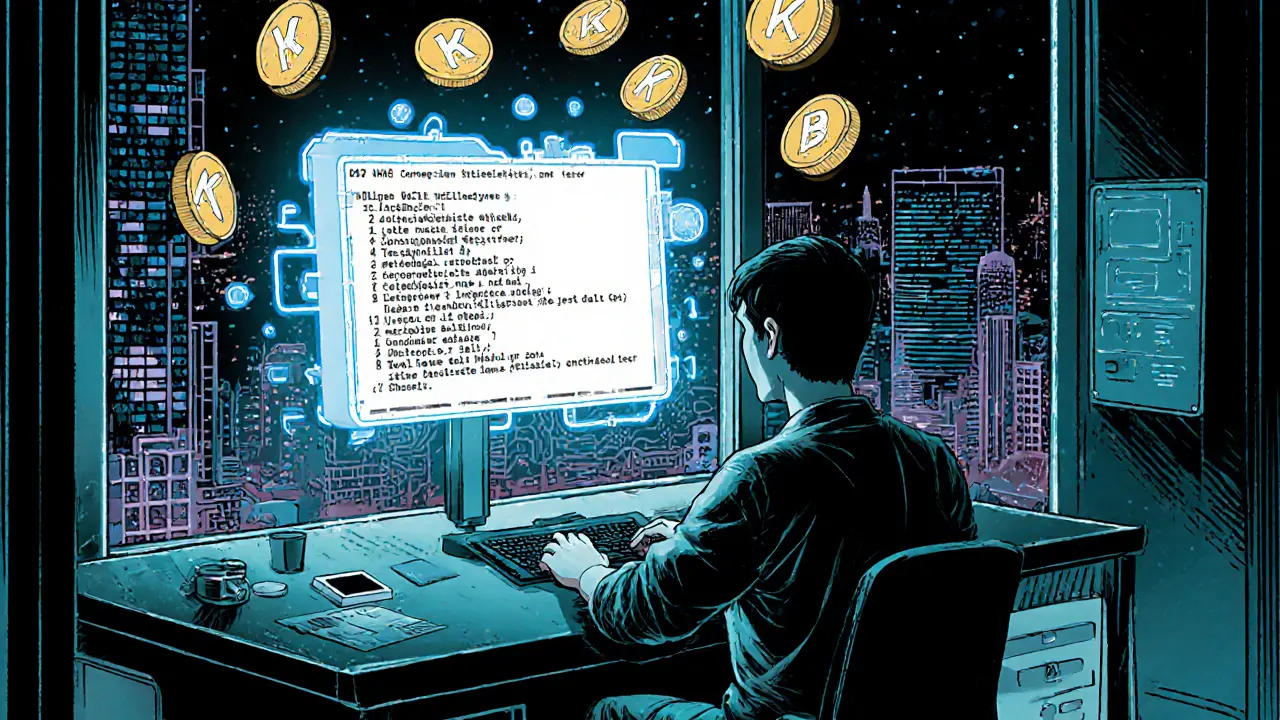
KaiChain (KAI) is a blockchain token that lets users earn crypto by monetizing AI prompts and workflows. With low trading volume and minimal community support, it's a niche idea still waiting for real adoption.
Continue Reading