Vietnam's Crypto Pilot Program (2025-2030): Rules, Restrictions & What It Means for Traders
For years, living in a country that banned cryptocurrency felt like trying to drink water while being told it was poison. You knew it existed, you wanted it, but touching it meant trouble. That reality shifted dramatically in Southeast Asia on September 9, 2025. Vietnam launched the world’s first comprehensive five-year cryptocurrency pilot program, a landmark regulatory framework designed to transition from total prohibition to controlled acceptance. If you are holding Bitcoin or Ethereum and have Vietnamese ties, this isn't just news-it is your new rulebook. The clock started ticking, and by January 1, 2026, the full legal weight of this system will be in effect. Here is what you need to know to stay compliant and avoid costly mistakes during this historic transition.
The Legal Foundation: From Ban to Blueprint
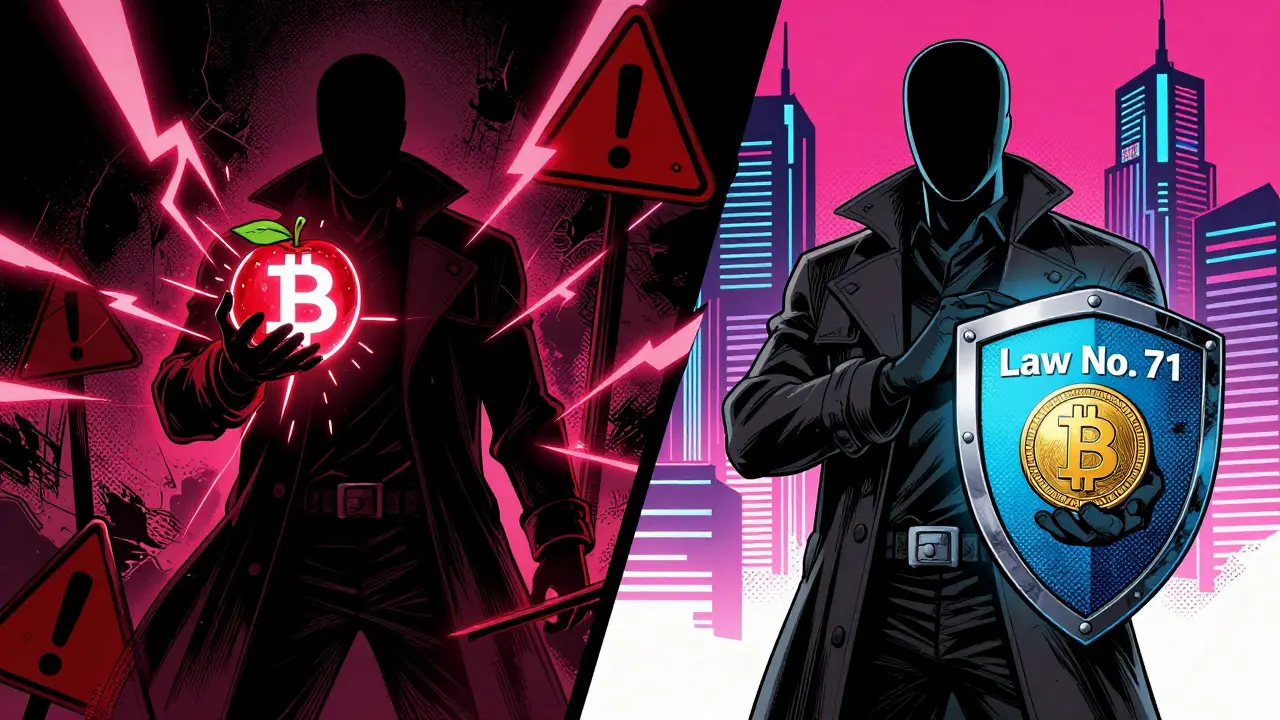
To understand where we stand today in August 2026, we have to look at the two pillars holding up this new structure. First, there is Law No. 71/2025/QH15 on Digital Technology Industry. Passed by the National Assembly in June 2025, this law did something no other country had done before: it formally recognized virtual assets as legitimate property under the Civil Code. Before this, your crypto holdings existed in a legal gray zone. Now, they are assets. Period.
Second, and more immediately relevant to daily trading, is Resolution 05/2025/NQ-CP, signed by Deputy Prime Minister Ho Duc Phoc. This resolution authorized the actual piloting of crypto asset market operations. It runs until September 8, 2030. Think of this as a sandbox environment. The government wants to see how regulated markets work, how taxes can be collected, and how money laundering can be prevented, all without letting the wild west take over. Dr. Tran Quy, President of the Vietnam Institute for Digital Economy Development, called this a "controlled runway" for technology and capital. In plain English? The door is open, but security is tight.
What Counts as a Virtual Asset?
Not everything digital is treated equally under the new laws. The framework creates three distinct buckets, and knowing which one your asset falls into determines how you handle it.
- Virtual Assets: These are electronic assets used for exchange or investment. Crucially, this definition excludes traditional securities and digital forms of legal currency (like central bank digital currencies). If you are buying an NFT for art or trading a token for profit, it likely fits here.
- Crypto Assets: This is a specialized subset of virtual assets. To qualify, the asset must use encryption technology-or similar digital tech-to authenticate its creation, issuance, storage, and transfer. Bitcoin and Ethereum fit this description perfectly because their blockchain technology relies on cryptographic proofs.
- Other Virtual Assets: Anything digital that doesn’t fit neatly into the first two categories lands here. This catch-all ensures the regulators have a net wide enough to capture future innovations without rewriting the law every time a new tech emerges.
Why does this distinction matter? Because the licensing requirements and compliance rules differ slightly depending on the classification. For most retail traders, the focus is on Crypto Assets, as these are the primary targets of the trading restrictions and opportunities discussed below.
The Big Restriction: No Payments, Only Investment
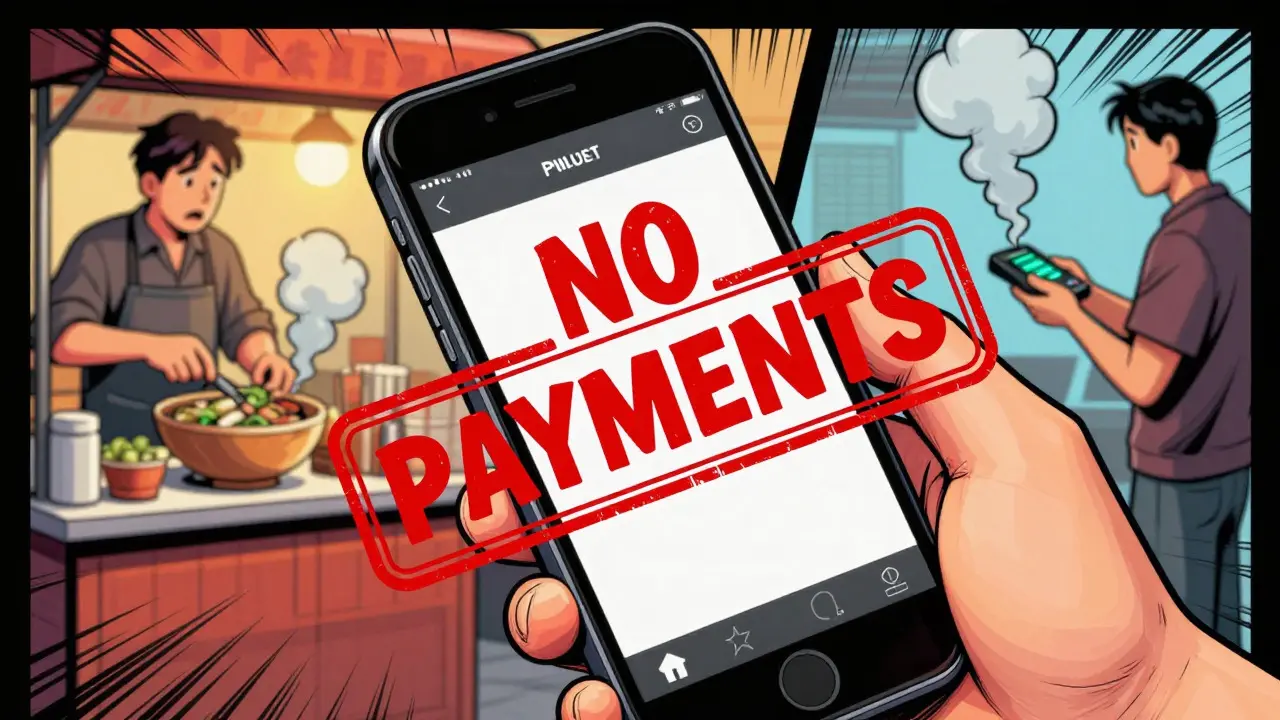
Here is the part that catches people off guard. Just because crypto is legal doesn’t mean you can buy your morning pho with Bitcoin. The State Bank of Vietnam maintains a strict prohibition on using cryptocurrency as a payment method. Furthermore, traditional financial institutions-your local banks-are barred from processing crypto-related transactions directly.
This means you cannot swipe a credit card linked to a crypto wallet at a store. You also cannot easily move money from your commercial bank account to an exchange without going through specific, licensed channels. The government views crypto strictly as an investment vehicle or a store of value, not as money. This approach mirrors early regulatory stances in the European Union, aiming to protect the national currency while allowing citizens to participate in the global digital economy. If you try to use crypto for everyday commerce, you are still breaking the rules.
Licensing and the Six-Month Deadline
If you are running a business in this space, pay attention. The Ministry of Finance is the sole authority responsible for licensing crypto asset service providers. Whether you are an exchange, a wallet provider, or a broker, you need a license. The first licensed organizations were expected to begin operations within six months of Resolution 05 taking effect. By mid-2026, these entities should be fully operational.
For domestic investors, there is a critical transition period. Once those first licenses are granted, you have six months to migrate all your trading activities to these licensed platforms. After that window closes, using unlicensed offshore exchanges becomes a compliance risk. Non-compliance isn't just a slap on the wrist; violators face administrative sanctions or even criminal liability, depending on the severity. The learning curve is steep. Businesses must navigate complex anti-money laundering (AML) protocols, cybersecurity standards, and reporting obligations. Many smaller players are relying heavily on legal counsel to interpret the Vietnamese-language regulations, as official English translations remain limited.
| Aspect | Pre-September 2025 | Current Status (2026) |
|---|---|---|
| Legal Recognition | No formal recognition; gray area | Recognized as assets under Civil Code |
| Trading Platforms | Offshore exchanges only (unregulated) | Licensed domestic providers required after transition |
| Payment Method | Banned | Still banned by State Bank of Vietnam |
| Taxation | Unclear; often ignored | Temporary application of securities tax rules |
| Regulatory Body | Multiple agencies, fragmented oversight | Ministry of Finance (primary authority) |
Taxes and Mining: The Unknowns
While the framework is clear on ownership and trading, some details remain fuzzy. As of mid-2026, specific tax regulations for crypto are still being finalized. Until then, the Ministry of Finance has applied temporary taxation rules based on existing securities laws. This means your capital gains might be taxed similarly to stock profits, but the exact rates and filing procedures are subject to change. Keep detailed records of every transaction. When the final tax guidance drops, you will want a clean audit trail.
Mining remains in regulatory limbo. There is no explicit ban, but there is no clear green light either. The government is watching energy consumption and environmental impact closely. If you are considering setting up a mining rig, proceed with caution. Wait for sector-specific rules before investing heavily in hardware. The pilot program allows for adjustments based on performance metrics, so expect updates throughout 2026 and beyond.

How Vietnam Compares Regionally
Vietnam’s move puts it ahead of many neighbors. China maintains a complete ban on crypto activities. India imposes heavy taxes without a clear regulatory framework, creating uncertainty for investors. Singapore and Thailand have established competing frameworks, but Vietnam’s five-year pilot structure is unique. It offers a middle path: stricter than the U.S. decentralized model, but far more welcoming than China’s prohibition. This positions Vietnam to capture significant regional digital asset flows, especially given its large, tech-savvy population and growing middle class. Industry data from VIR shows Vietnamese traders conducting over $600 million in daily transactions. That volume indicates strong demand, now channeled into a legal pipeline.
Navigating the Transition: Practical Steps
If you are active in the market, here is your checklist for staying compliant:
- Identify Licensed Providers: Do not assume your current offshore exchange is safe. Look for announcements from the Ministry of Finance regarding approved service providers. Migrate your funds to these platforms within the six-month window.
- Audit Your Holdings: Ensure your assets fall under the defined categories of virtual or crypto assets. If you hold obscure tokens, verify their status.
- Prepare for Taxes: Start tracking your cost basis and gains now. Use accounting software that can integrate with blockchain data if possible. Assume the temporary securities tax rules apply until told otherwise.
- Stay Updated on Mining Rules: If you mine, monitor official statements from the Ministry of Industry and Trade or the Ministry of Finance for energy and licensing guidelines.
- Consult Local Legal Experts: Regulations are primarily in Vietnamese. Hiring a local lawyer who specializes in digital assets can save you from misinterpreting compliance requirements.
The sentiment among users is cautious optimism. Reddit threads and local forums show excitement about legitimacy, but anxiety about enforcement. Will the government crack down hard on those who miss the migration deadline? Early reports suggest yes. The goal is institutionalization, not chaos. Compliance costs will rise, but so will investor protection. Scams and hacks on unregulated platforms may decrease as licensed entities are forced to meet higher cybersecurity standards.
Looking Ahead to 2030
This pilot program is not a permanent fix; it is a test. The government plans to evaluate outcomes by 2030. Success depends on effective enforcement, industry compliance, and maintaining economic stability. Risks include regulatory capture by large financial institutions and conflicts with international standards. However, the commitment to a five-year timeline signals long-term intent. Vietnam aims to become a regional leader in digital asset regulation. For traders, this means a maturing market with clearer rules, better infrastructure, and potentially lower risks-if you play by the book.
Is cryptocurrency legal in Vietnam in 2026?
Yes, owning and trading cryptocurrency is legal under the new pilot program. Virtual assets are recognized as legitimate property under the Civil Code. However, using crypto as a payment method remains banned by the State Bank of Vietnam.
Who regulates crypto in Vietnam?
The Ministry of Finance is the primary regulatory authority. They are responsible for licensing crypto asset service providers and overseeing compliance with anti-money laundering and cybersecurity standards.
Do I need to use a licensed exchange?
Yes. After a six-month transition period following the issuance of the first licenses, domestic investors must use licensed service providers for all transactions. Using unlicensed offshore exchanges may result in administrative sanctions.
How are crypto assets taxed in Vietnam?
Specific crypto tax laws are still being developed. Currently, temporary taxation rules based on securities laws are applied. Investors should track their gains and losses carefully and consult tax professionals for accurate filing.
Can I use Bitcoin to buy goods in Vietnam?
No. The State Bank of Vietnam prohibits the use of cryptocurrency as a payment method. Crypto is treated strictly as an investment asset or store of value, not as legal tender.
When does the pilot program end?
The five-year pilot program runs until September 8, 2030. After this date, the government will review the outcomes and likely establish permanent regulations based on the pilot's success.