GeoDB GEOCASH Airdrop: Complete Guide to Claims, Wallets & Token Status
Remember the days when downloading an app actually paid you? That was the promise of the GeoDB is a blockchain-based platform that rewards users for sharing their location and behavioral data through a mobile application ecosystem. Also known as GEOCASH, it launched a massive campaign in 2020 that distributed free tokens to early adopters. For many, this wasn't just another crypto giveaway; it was a glimpse into a future where your digital footprint had real monetary value. But years later, with the project evolving into the Wallace Wallet and migrating to new chains, questions remain about what happened to those original claims and whether the token still holds any weight.
If you are holding onto old referral codes or wondering if you missed out on a lucrative opportunity, you need to look past the hype from four years ago. The reality of the GeoDB airdrop involves specific mechanics, strict eligibility windows, and a significant shift in technology that affects how you access your assets today. Let's break down exactly how the distribution worked, where the token stands now, and what you need to do if you still have unclaimed funds.
Key Takeaways
- The GeoDB airdrop primarily took place in 2020, rewarding users who downloaded the Android or iOS app and completed daily tasks.
- GEO tokens operate on the Ethereum blockchain but are migrating to the ODIN Chain network, requiring wallet updates for holders.
- Current trading volume is extremely low, with the token price hovering around $0.00016, indicating limited market activity compared to its peak.
- Users must secure their mnemonic phrases and private keys within the Wallace Wallet interface to maintain access to their assets.
- Referral programs were a core part of the distribution, allowing users to earn additional tokens by inviting friends using unique codes.
How the GeoDB Airdrop Mechanism Worked
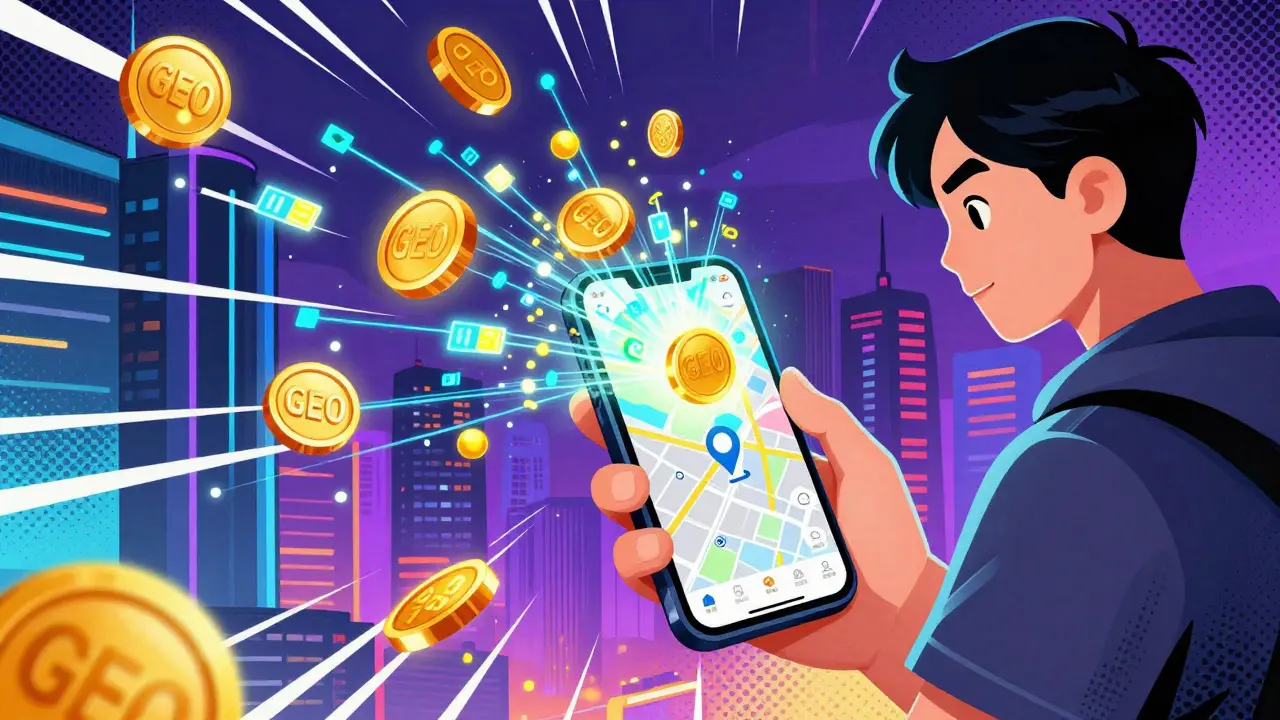
To understand the current state of your potential earnings, we first need to look at how the initial distribution functioned. Unlike modern airdrops that might simply require you to hold a specific NFT or sign a transaction, GeoDB relied on active participation through a mobile interface. The core premise was simple: download the app, grant permissions for location tracking, and keep the app running in the background to "mine" data.
This process was not passive income in the traditional sense. Users had to engage with the application daily to claim their allocated tokens. The system tracked user movements, browsing habits, and other digital footprints, converting this raw data into GEO tokens. This model positioned GeoDB as a challenger to big tech companies, arguing that users should be compensated for the valuable data they generate every day. The maximum supply cap for the token was set at 350 million, creating a finite resource that increased the perceived value of early participation.
The technical requirements were straightforward but crucial. You needed an Android or iOS device to install the official application. Once installed, the app guided you through creating a new wallet directly within the interface. This step was critical because it generated your unique cryptographic keys. Many users overlooked the importance of saving their mnemonic phrase-the 12 or 24-word seed phrase that acts as the master key to their wallet. Without this backup, losing access to the app meant losing access to the tokens permanently.
Daily claims were the heartbeat of the airdrop. Instead of a one-time lump sum, users received small increments of GEO tokens regularly. This structure encouraged retention and consistent engagement. If you stopped opening the app for several days, your streak would reset, and your earning rate would drop. This gamification element helped sustain user interest during the promotional phase but also meant that casual participants often ended up with significantly fewer tokens than dedicated users.
The Role of Referrals and Community Growth
A major component of the GeoDB strategy was its multi-tiered referral system. The platform understood that organic growth alone wouldn't reach the scale needed to build a robust data network. Therefore, existing users were incentivized to invite friends to join the ecosystem. Each successful referral resulted in bonus tokens for both the inviter and the new user.
Referral codes, such as 'MDHALIM759_PXGYZQ', were widely circulated across social media platforms like Telegram and Twitter. These codes served as trackers, allowing the system to attribute new downloads to specific community members. In some regional campaigns, the incentives were even more targeted. For instance, a promotion limited to 2,000 Indian participants offered 10 free GEO tokens listed on the Bitforex exchange. This type of localized marketing helped GeoDB penetrate specific markets where mobile data usage was high but compensation models were nonexistent.
The community engagement centered heavily on Telegram channels, particularly the official group linked to the Wallace Wallet. Here, users shared tips on maximizing their daily claims, troubleshooting app issues, and discussing the broader vision of democratizing the data economy. While these communities provided valuable support, they were also rife with speculation and unofficial promises. It was essential for users to verify information through official channels rather than relying solely on community rumors.
However, the referral system also introduced complexity. Tracking multiple levels of referrals required sophisticated backend infrastructure. As the user base grew, ensuring fair distribution and preventing fraud became challenging. Some users reported discrepancies in their referral bonuses, highlighting the difficulties of managing a decentralized reward system during its early stages.
Technical Evolution: From Ethereum to ODIN Chain
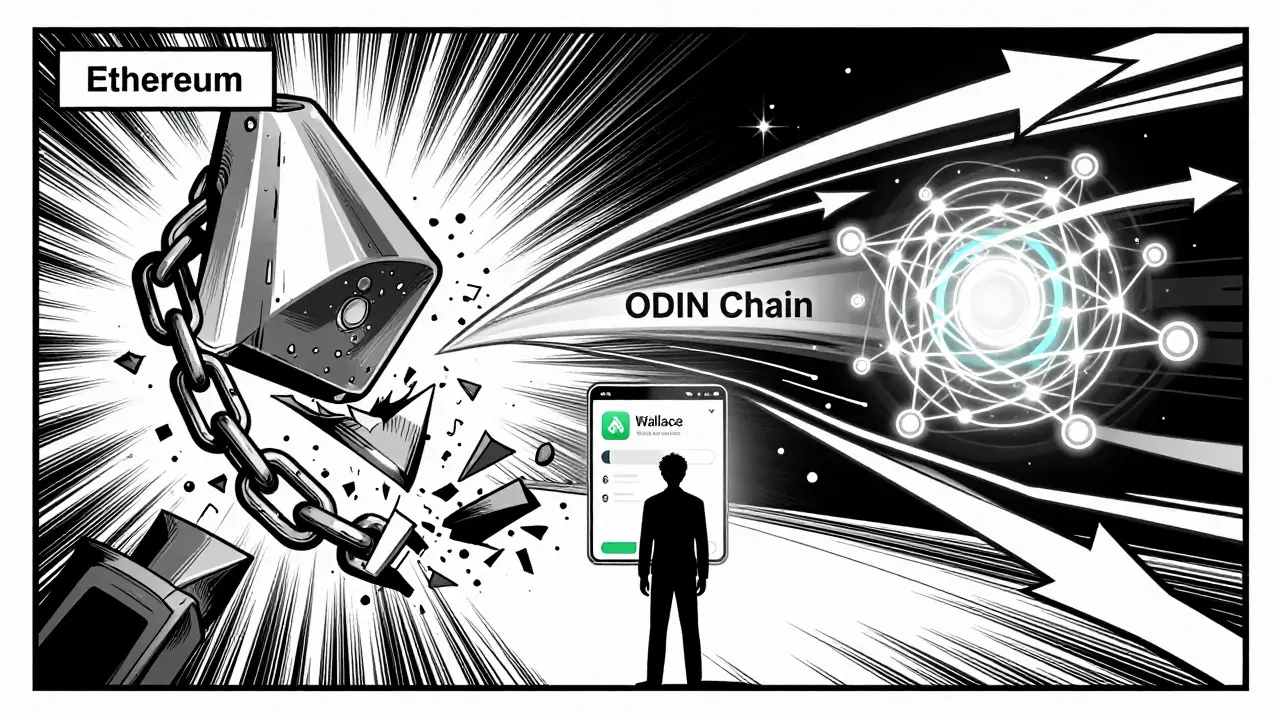
One of the most significant developments for GEO token holders is the migration from the Ethereum blockchain to the ODIN Chain network. Originally, the GEO token operated as an ERC-20 token on Ethereum, with the contract address 0x147f...126750. This choice provided immediate liquidity and compatibility with major exchanges like Uniswap V2. However, Ethereum's high gas fees and scalability limitations posed challenges for a project focused on micro-transactions and frequent daily claims.
The transition to ODIN Chain represents a strategic move to reduce transaction costs and improve processing speed. ODIN Chain is designed to handle high-throughput applications, making it more suitable for a data monetization platform that processes millions of data points daily. For users, this migration means that the way you interact with your tokens may change. You might need to update your wallet software or bridge your assets from Ethereum to the new chain.
This technical shift has implications for liquidity and trading. The primary trading pair remains GEO/WETH on Uniswap V2, but the spread and volume reflect the changing dynamics. Recent data shows a 0.63% spread on this pair, which is relatively tight, but the overall trading volume is minimal. With only $120.24 in 24-hour trading volume recorded recently, the market lacks the depth seen during the initial hype cycle. This low activity suggests that speculative trading has largely dried up, leaving the token primarily in the hands of long-term holders or those waiting for further development milestones.
For developers and partners integrating with GeoDB, the ODIN Chain migration offers new opportunities. Smart contracts can be deployed more cheaply, enabling more complex reward mechanisms and data verification protocols. However, it also requires updating documentation and tools to ensure seamless interaction with the new network. Users should keep an eye on official announcements regarding the timeline and procedures for this migration to avoid any disruption in accessing their assets.
Current Market Status and Token Value
Let's talk numbers. As of mid-2026, the GEO token trades at approximately $0.0001664. While this figure might seem negligible, it reflects a broader trend in the cryptocurrency market where many utility tokens from earlier cycles have settled into lower valuation ranges. The total supply stands at 313.17 million GEO, with a circulating supply of 82.64 million. This means a significant portion of the tokens are still locked or held by the team and investors, potentially limiting upward price pressure in the short term.
Market capitalization provides another perspective. With a value equivalent to BTC0.2330, the project occupies a niche position in the crypto landscape. It is no longer a top-tier contender but maintains a presence among data-focused blockchain projects. The 24-hour price increase of 0.98% indicates minor volatility, but the longer-term decline of 6.34% suggests a bearish sentiment among traders.
Liquidity is a key concern for anyone looking to sell their tokens. The limited trading volume means that large orders could significantly impact the price, leading to slippage. If you plan to cash out, doing so in smaller batches over time might be a prudent strategy to minimize losses. Additionally, the integration with exchanges like Bitforex provides alternative avenues for trading, though availability may vary by region.
Comparing GEO to other data monetization tokens reveals interesting contrasts. Projects like Basic Attention Token (BAT) or Ocean Protocol have different use cases and market positions. BAT focuses on digital advertising privacy, while Ocean Protocol emphasizes data marketplace infrastructure. GEO's unique angle lies in its direct compensation for location and behavioral data via a mobile app. Understanding these distinctions helps in assessing the long-term viability and competitive advantage of the GeoDB ecosystem.
| Token | Primary Use Case | Blockchain | Current Price Trend |
|---|---|---|---|
| GEO | Location & Behavioral Data Rewards | Ethereum / ODIN Chain | Low Volume, Stable |
| BAT | Digital Advertising Privacy | Ethereum | Moderate Volume, Volatile |
| Ocean | Data Marketplace Infrastructure | Ethereum / Polygon | High Volume, Growth-Oriented |
Managing Your Assets: Wallace Wallet Security
The Wallace Wallet has emerged as the primary interface for interacting with the GeoDB ecosystem. Whether you are claiming daily rewards, checking your balance, or preparing for the ODIN Chain migration, this app is your gateway. Security should be your top priority when using any crypto wallet, especially one tied to personal data.
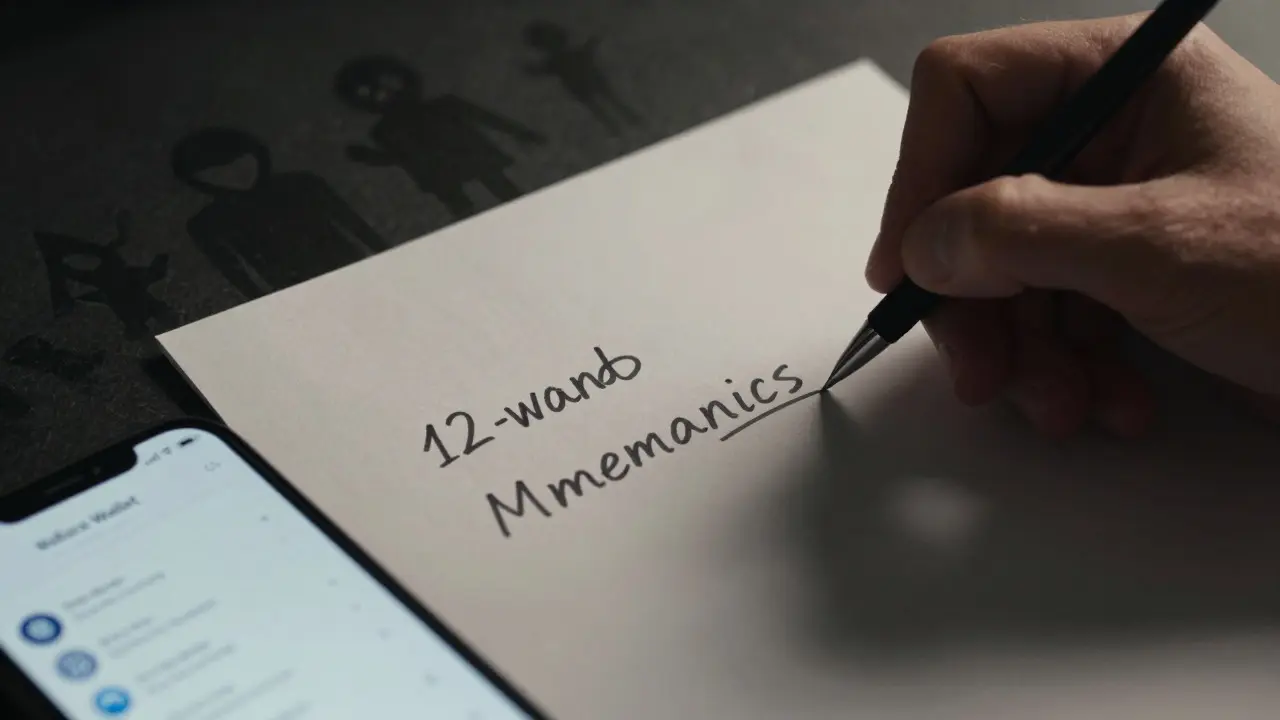
First and foremost, protect your mnemonic phrase. Write it down on paper and store it in a safe place, away from digital devices. Never share it with anyone, including customer support agents. Scammers often pose as officials to trick users into revealing their seeds. If you lose your phone, your mnemonic phrase is the only way to recover your wallet on a new device.
Enable all available security features within the Wallace Wallet. This includes biometric authentication (fingerprint or face ID) and two-factor authentication (2FA) for sensitive actions. Regularly update the app to benefit from the latest security patches and feature improvements. Outdated versions may contain vulnerabilities that hackers could exploit.
Be cautious of phishing attempts. Always verify the URL of the website or the package name of the app before downloading or logging in. Official links are typically shared through verified social media accounts or the project's main website. Bookmark these pages to avoid typosquatting attacks where fake sites mimic legitimate ones.
For advanced users, consider using a hardware wallet if supported by the Wallace Wallet ecosystem. Hardware wallets provide an extra layer of security by keeping your private keys offline. While this adds convenience trade-offs, it significantly reduces the risk of remote hacking.
Common Pitfalls and How to Avoid Them
Many users fall into common traps when participating in crypto airdrops and data mining projects. One major pitfall is neglecting tax obligations. In many jurisdictions, receiving crypto tokens is considered taxable income. Keep detailed records of your daily claims, referral bonuses, and any sales transactions. Consulting with a tax professional who understands cryptocurrency regulations can save you headaches and penalties down the line.
Another issue is overestimating earnings potential. Promotional materials from 2020 claimed users could earn $5 or more daily. However, actual earnings depend on various factors, including token price fluctuations, data quality, and network congestion. Realistic expectations help manage disappointment and prevent financial strain based on inflated promises.
Ignoring community updates is also risky. Projects evolve, and changes to terms of service, reward structures, or technical infrastructure can affect your holdings. Stay engaged with official channels to receive timely notifications about migrations, upgrades, or policy changes. Passive participation may lead to missed opportunities or compliance issues.
Finally, beware of third-party services promising boosted earnings or guaranteed returns. These are often scams designed to steal your tokens or private keys. Stick to the official Wallace Wallet and verified partnerships. If something sounds too good to be true, it probably is.
Is the GeoDB airdrop still active in 2026?
The initial large-scale airdrop campaign concluded years ago, but users can still earn GEO tokens through daily claims and referrals within the Wallace Wallet app. The mechanism has shifted from a promotional giveaway to an ongoing data monetization model.
How do I migrate my GEO tokens to ODIN Chain?
Migration details are typically announced via official channels like the Wallace Wallet app or Telegram. Generally, you will need to ensure your wallet is updated and follow instructions to bridge your assets from Ethereum to the ODIN Chain network. Always verify sources to avoid scams.
What happens if I lose my mnemonic phrase?
If you lose your mnemonic phrase and do not have a backup, your GEO tokens are likely lost forever. The Wallace Wallet team cannot recover your funds without this seed phrase due to the decentralized nature of blockchain technology.
Where can I trade GEO tokens?
GEO tokens are primarily traded on Uniswap V2 (Ethereum) with a GEO/WETH pair. They have also been listed on exchanges like Bitforex. Check current availability and liquidity on these platforms before attempting to trade.
Are there taxes on earned GEO tokens?
In many countries, receiving crypto tokens as rewards is considered taxable income. You should consult local tax regulations and keep records of your earnings. Tax laws vary by jurisdiction, so professional advice is recommended.
Next Steps for Holders and Newcomers
If you are a long-time holder, review your wallet security immediately. Ensure your mnemonic phrase is backed up and your app is updated. Monitor official announcements for the ODIN Chain migration timeline. Consider diversifying your holdings if the low trading volume concerns you.
For newcomers interested in data monetization, start by downloading the Wallace Wallet and exploring the daily claim features. Understand the privacy implications of sharing your location data. Join the community discussions to gain insights from experienced users. Set realistic expectations about earnings and treat it as a supplementary income stream rather than a primary source.
Stay informed about regulatory changes affecting data privacy and cryptocurrency. As governments worldwide tighten controls on data collection and crypto transactions, projects like GeoDB must adapt. Being aware of these trends helps you make informed decisions about your participation in the ecosystem.