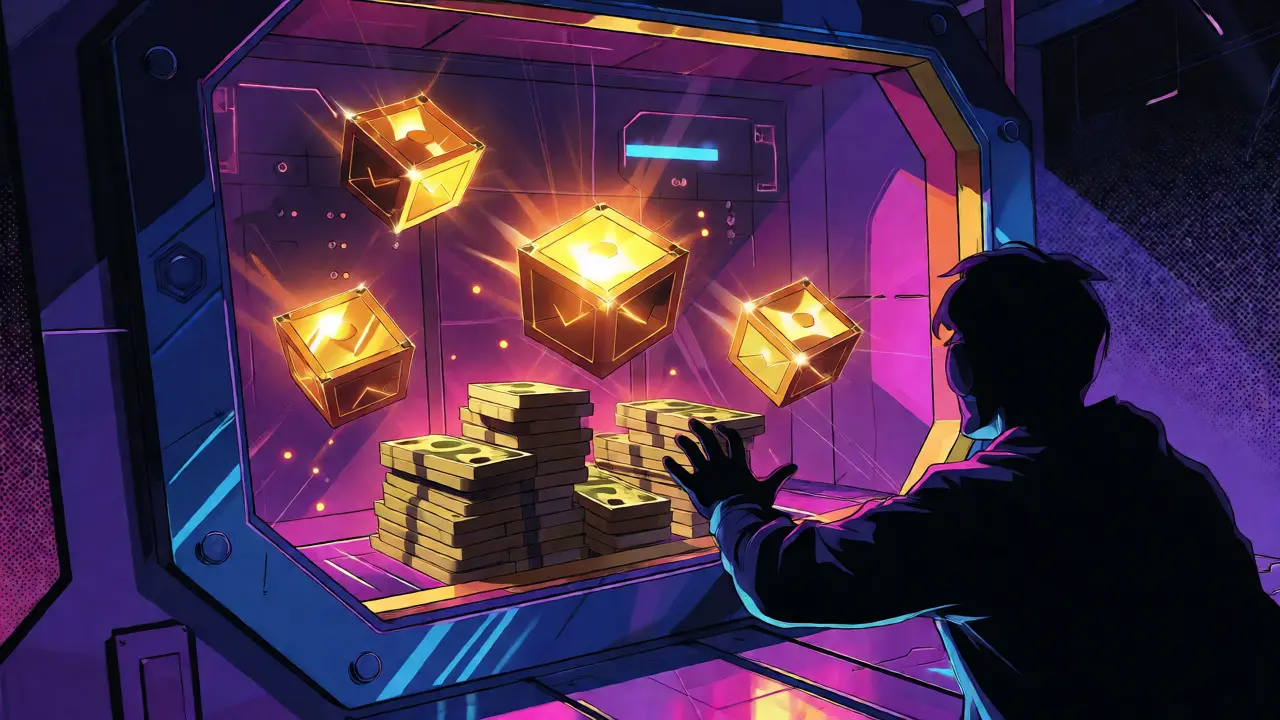
Multigame Airdrop Details: Super NFTs & IDO Tickets
Imagine getting paid to hold a digital ticket. That’s the core pitch of the Multigame airdrop campaign focused on Super NFTs and Initial DEX Offering (IDO) tickets. If you’ve been watching the blockchain gaming space in late 2025, you might have seen whispers about this opportunity. It promises a mix of immediate cash value and speculative upside through NFT boxes. But is it worth your time, or just another hype cycle? Let’s break down exactly what we know, what we don’t, and how to approach this without getting burned.
The Core Value Proposition
At first glance, the numbers look attractive. Reports from platforms like AirdropAlert.com highlight a total potential value pool of $10,000 in BUSD plus up to $195,000 in profit from NFT boxes. This isn’t a drop for everyone; it’s capped at 500 participants. Why so few? The qualification mechanism relies on owning specific IDO-qualifying assets. This exclusivity suggests Multigame wants serious holders, not just casual clickers. Unlike broad airdrops that flood wallets with dust tokens, this targeted approach aims to reward early believers who already have skin in the game within the broader DeFi ecosystem.
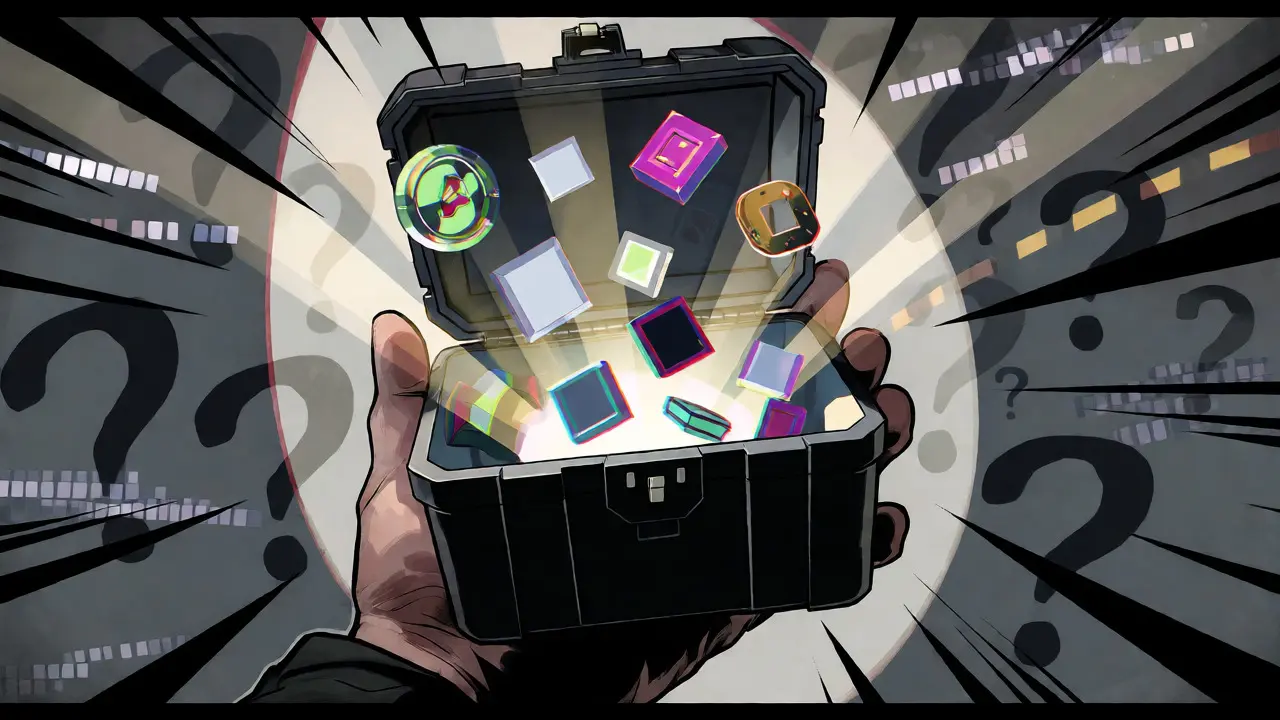
The $195,000 figure comes from "NFT Boxes." Think of these as loot crates. You open them, and you get random rewards-maybe rare skins, maybe utility tokens, maybe nothing much. The variance here is huge. While the average participant might see modest returns, the top tier could hit significant jackpots. This structure mirrors successful models used by projects like Sorare or Axie Infinity, where rarity drives secondary market demand. However, unlike those established giants, Multigame’s infrastructure remains somewhat opaque, which adds a layer of risk to the potential reward.
Who Qualifies and How to Participate
Eligibility is the biggest hurdle. You can’t just sign up. You need to hold designated IDO assets. The documentation doesn’t explicitly list every single token, but historically, these are often governance tokens from major launchpads or specific platform-native currencies. If you’re already active in decentralized finance, you likely have some of these in your wallet. If you’re new, buying into these assets solely for the airdrop might cost more than the potential return, especially considering transaction fees.
- Asset Ownership: You must hold qualifying IDO tokens at the snapshot date.
- Wallet Connection: Standard Web3 wallet connection is required for verification.
- Claim Process: After verification, eligible users claim their Super NFTs and IDO tickets via the Multigame dashboard.
There’s no detailed step-by-step guide yet, which is a red flag for beginners. Experienced crypto users familiar with IDO mechanics will find the process straightforward. Newcomers should be cautious. If you don’t understand how to revoke token approvals or manage gas fees, this high-stakes environment might be tricky to navigate safely.
Market Position vs. Competitors
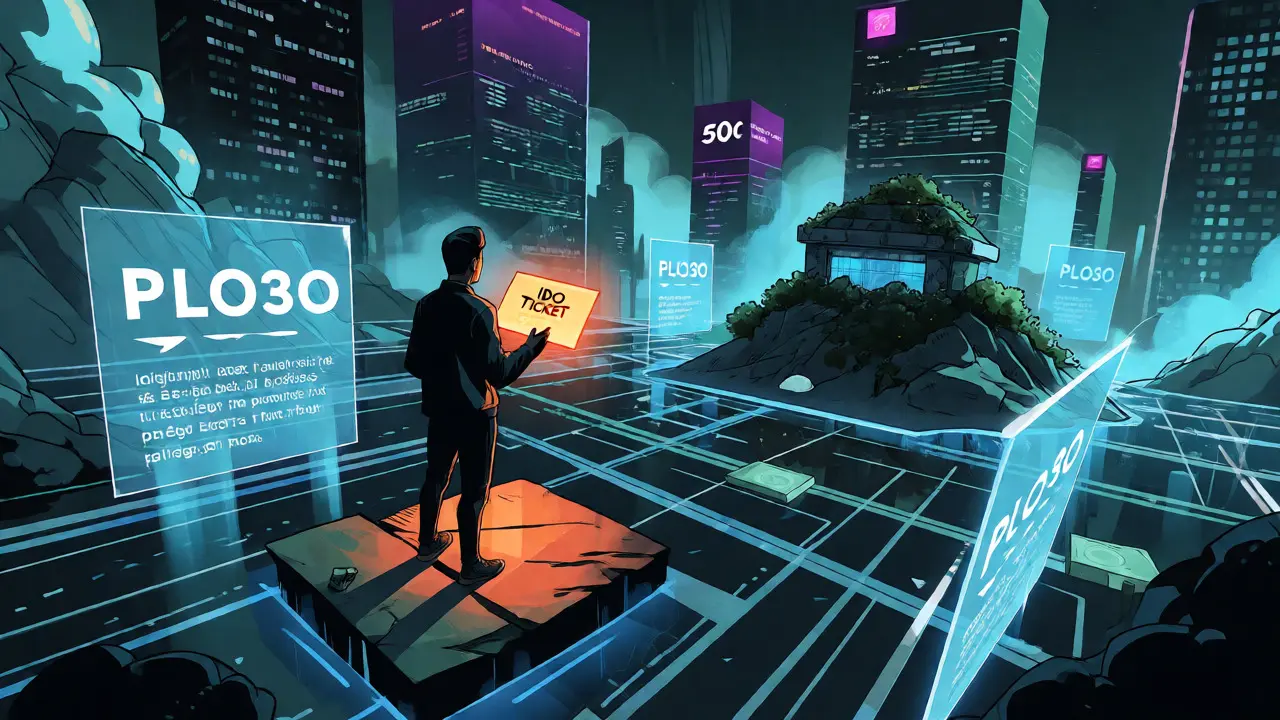
How does Multigame stack up against other gaming airdrops in 2025? It sits in a mid-tier niche. It’s not as massive as The Sandbox Alpha Season, which accommodates thousands of users, nor is it as speculative as smaller memecoin drops like MemeClip. Its value proposition is competitive but lacks the transparency of leaders like Parallel Game or Aavegotchi, which publish clear roadmaps and gameplay mechanics.
| Project | Participant Cap | Primary Reward Type | Transparency Level |
|---|---|---|---|
| Multigame | 500 | BUSD + NFT Boxes | Low (Limited docs) |
| Sorare | Open | NFT Player Cards | High (Established) |
| The Sandbox | Thousands | LAND & Tokens | High (Public Roadmap) |
| Bloodloop | Gameplay-based | Play-to-Airdrop | Medium (Active Devs) |
This table highlights a key trade-off: Multigame offers higher potential per-user value due to its small cap, but lower information clarity. You’re trading certainty for exclusivity. In contrast, Sorare has proven liquidity and user reviews, making it a safer, albeit less explosive, bet for many.
Risks and Missing Information
Let’s talk about what’s missing. As of late 2025, there is almost zero community chatter on Reddit or Twitter about Multigame. No Trustpilot reviews. No Discord activity logs. This silence is unusual for a project claiming six-figure rewards. It suggests either a very recent launch or a lack of organic adoption. Major industry analysts like CoinGecko and Gate.com haven’t featured Multigame in their top upcoming airdrop lists, focusing instead on projects with clearer technical foundations like Monad or Abstract Chain.
Without a public roadmap or developer updates, assessing long-term viability is guesswork. Is Multigame building a sustainable game economy, or is this a one-off token distribution event? The absence of smart contract audits in public discussions raises security questions. Always assume a project is risky until proven otherwise, especially when it operates in the shadows of more prominent competitors.
Practical Steps for Potential Participants
If you decide to jump in, treat it like any other crypto investment. Don’t go all-in. Here’s a quick checklist to protect yourself:
- Verify the URL: Scams love popular airdrops. Ensure you’re on the official Multigame site, not a phishing clone.
- Check Wallet Approvals: Before connecting, use tools like Revoke.cash to ensure you’re only approving necessary contracts.
- Calculate Opportunity Cost: Factor in the cost of holding IDO assets. If they drop 10% while you wait for the airdrop, did you actually make money?
- Diversify: Don’t rely on this single drop. Spread exposure across multiple verified opportunities.
Remember, the $195,000 profit figure is an aggregate ceiling, not a guarantee. Most participants will receive a fraction of that. The real value lies in whether the Super NFTs retain utility after the initial hype fades. If Multigame fails to deliver engaging gameplay post-airdrop, those NFTs might become worthless JPEGs in your wallet.
What exactly are IDO tickets in the Multigame context?
IDO tickets are digital passes that grant you access to purchase tokens during a project's Initial DEX Offering at a discounted rate. In Multigame's case, holding these tickets may also serve as proof of eligibility for the airdrop, linking your participation rights to your involvement in previous fundraising rounds.
Is the Multigame airdrop free to enter?
Technically, yes, there is no entry fee for the airdrop itself. However, you must already own qualifying IDO assets. The cost of acquiring and holding these assets represents the indirect financial barrier to entry. Additionally, standard network gas fees apply when claiming rewards.
Why is the participant limit set to 500?
A cap of 500 participants creates scarcity and ensures higher individual payouts. By limiting the pool, Multigame can distribute a larger share of the $10,000 BUSD fund and NFT box profits to each winner. This strategy targets dedicated holders rather than mass-market speculation.
Are the NFT boxes guaranteed to have value?
No, they are not guaranteed. The $195,000 profit potential is based on market speculation and rarity tiers. Some boxes may contain highly sought-after items, while others might offer minimal utility. Their value depends entirely on future demand within the Multigame ecosystem and the broader NFT market.
Where can I find official updates on Multigame?
Currently, official information is scarce. Monitor AirdropAlert.com for listing updates and check the project's official social media channels if available. Be wary of unofficial Telegram groups or YouTube videos promising insider info, as these are common vectors for scams in low-transparency projects.