Nanex Crypto Exchange Review: Is It Safe or Shut Down?
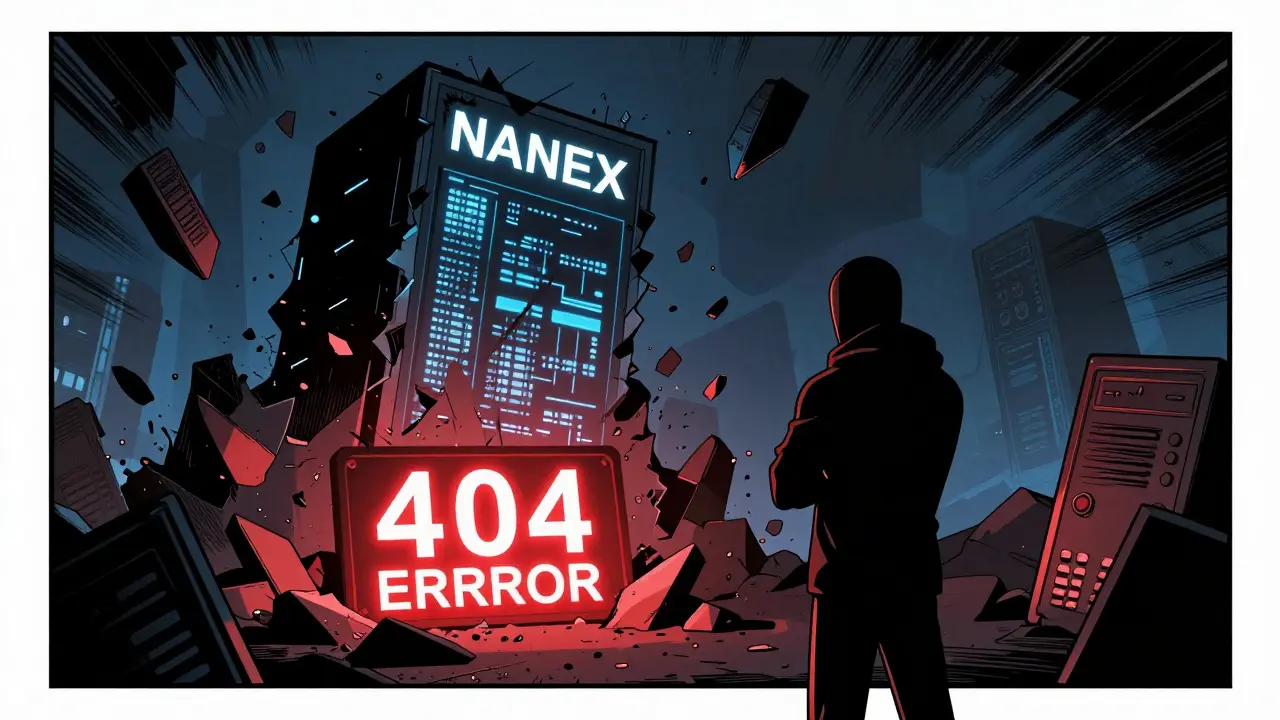
So, you’re looking for a place to trade Nano, and you’ve stumbled across the name Nanex. Maybe you saw it mentioned in an old forum post, or perhaps you’re trying to recover funds from a forgotten account. Here is the hard truth right out of the gate: Nanex is no longer operational. The platform shut down its services back in April 2018. If you are planning to deposit money there today, stop. You will lose everything. If you are here because you still have assets stuck on that platform, this guide will help you understand what happened, why it failed, and where you should go instead.
The Quick Reality Check: Nanex Is Dead
Let’s get the timeline straight. Nanex launched in January 2018 with a very specific mission: to be the premier exchange for Nano (XNO). At the time, Nano was gaining traction as a feeless, instant cryptocurrency. Nanex positioned itself as the specialist hub for this coin. However, according to data from CoinMarketCap, the exchange officially ceased operations on April 30, 2018.
This wasn’t a temporary maintenance window. This was a permanent shutdown. In the world of crypto, when an exchange closes without a clear migration path or active support, your funds are effectively gone. There is no customer service team answering emails. There is no support ticket system. The servers are dark. Understanding this historical context is crucial before you do anything else.
| Attribute | Details |
|---|---|
| Launch Date | January 2018 |
| Shutdown Date | April 30, 2018 |
| Status | Closed / Defunct |
| Primary Asset | Nano (XNO) |
| Current Trading Volume | $0 |
What Was Nanex? A Look Back at Its Features
To understand why people used it-and why they might still be searching for it-we need to look at what it offered during its brief lifespan. Nanex wasn’t just another generic exchange; it was built around one core philosophy: Nano was the future of payments. Because Nano transactions are feeless and instantaneous, Nanex marketed zero-fee deposits and withdrawals as its biggest selling point.
The platform supported a curated list of cryptocurrencies. While Nano was the star, you could also trade:
- Bitcoin (BTC)
- Ethereum (ETH)
- Litecoin (LTC)
- Monero (XMR)
- Decred (DCR)
- Garlicoin (GRLC)
- Haven Protocol (HVN)
- Lindacoin (LINDA)
- Phore (PHR)
Beyond basic spot trading, Nanex claimed to offer more advanced features. They advertised margin trading, leverage options, and even over-the-counter (OTC) desks for larger trades. They also pushed a dedicated desktop application and mobile apps, aiming to provide a seamless experience across devices. For a niche player in early 2018, this was a robust feature set. But features don’t pay the bills if no one is using them.
The Red Flags That Were Always There
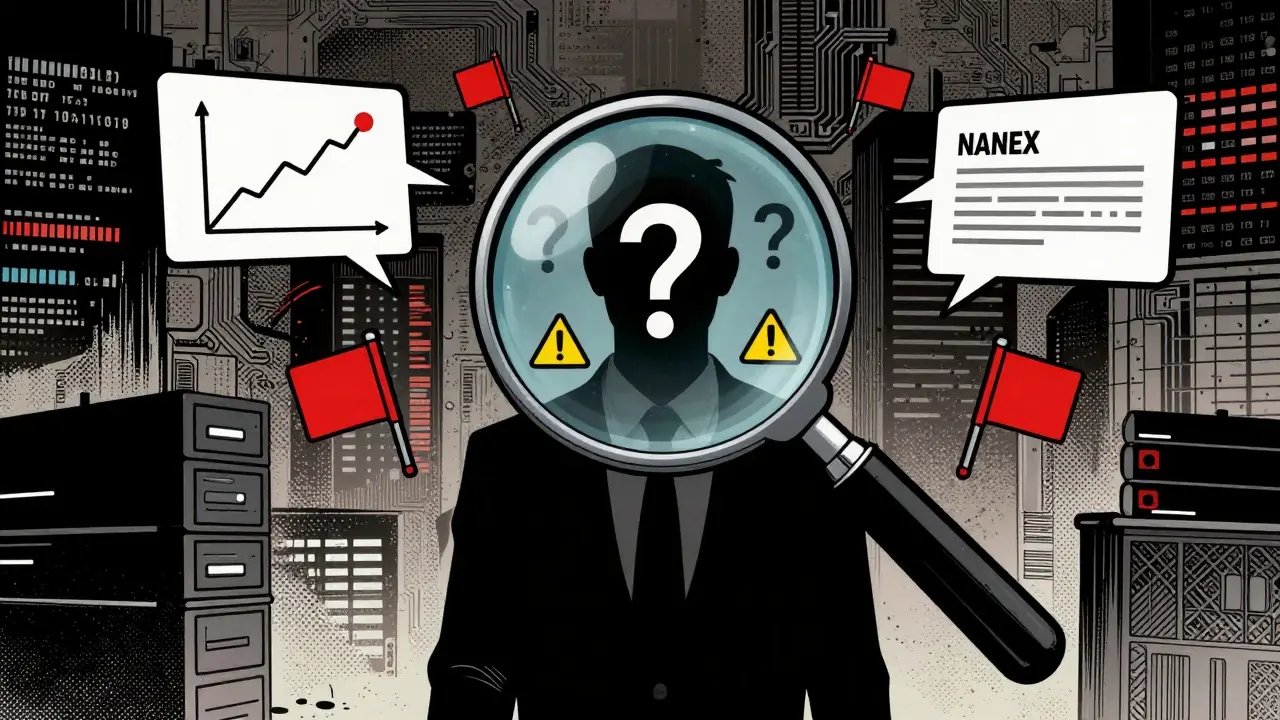
If we look back with hindsight, the warning signs were glaring. The biggest issue was transparency. Or rather, the complete lack of it. When you visit the Nanex website now, or even archived versions from 2018, you’ll notice something missing: who runs this company?
There was no information about the corporate structure. No physical address listed for headquarters. No details on how client assets were stored. Did they use cold storage? Multi-signature wallets? We simply don’t know. In the crypto space, anonymity isn’t always bad, but for a custodial exchange holding user funds, it’s a massive risk. You are trusting strangers with your life savings, yet you can’t even find their name on LinkedIn.
Then there was the liquidity problem. By late 2018, data from CoinPaprika showed Nanex had a 24-hour trading volume of $0. A confidence score of 0.00% indicates that algorithms detected no real trading activity. This is often a sign of "wash trading"-where bots buy and sell to themselves to fake volume-or, more likely, total abandonment. Without real buyers and sellers, you cannot execute trades. Your orders would sit there, unfilled, while the platform slowly crumbled.
Geographical Restrictions and Compliance
Nanex did attempt to navigate regulatory waters, albeit poorly. They restricted access from several countries, including Bosnia and Herzegovina, North Korea, Ethiopia, Iran, Iraq, Syria, Uganda, Vanuatu, and Yemen. For US residents, they allowed access everywhere except New York and Washington states. This suggests they were aware of some compliance requirements, but without a known legal entity, enforcing these rules was largely theoretical. They couldn’t verify identities properly, which made them vulnerable to both regulatory crackdowns and malicious actors.
Why Specialized Exchanges Like Nanex Fail
Nanex represents a classic case study in the crypto industry: the "single-asset specialist" trap. By focusing exclusively on Nano, they hoped to attract enthusiasts. But this strategy has fatal flaws.
- Limited User Base: Only people interested in Nano would join. That’s a tiny slice of the market.
- No Liquidity Network Effect: Big exchanges like Binance or Coinbase thrive because everyone is there. Traders follow liquidity. If you want to sell Nano quickly, you go where the buyers are. Nanex had no buyers.
- High Operational Costs: Running an exchange requires security teams, developers, and legal counsel. These costs don’t disappear just because you only list five coins.
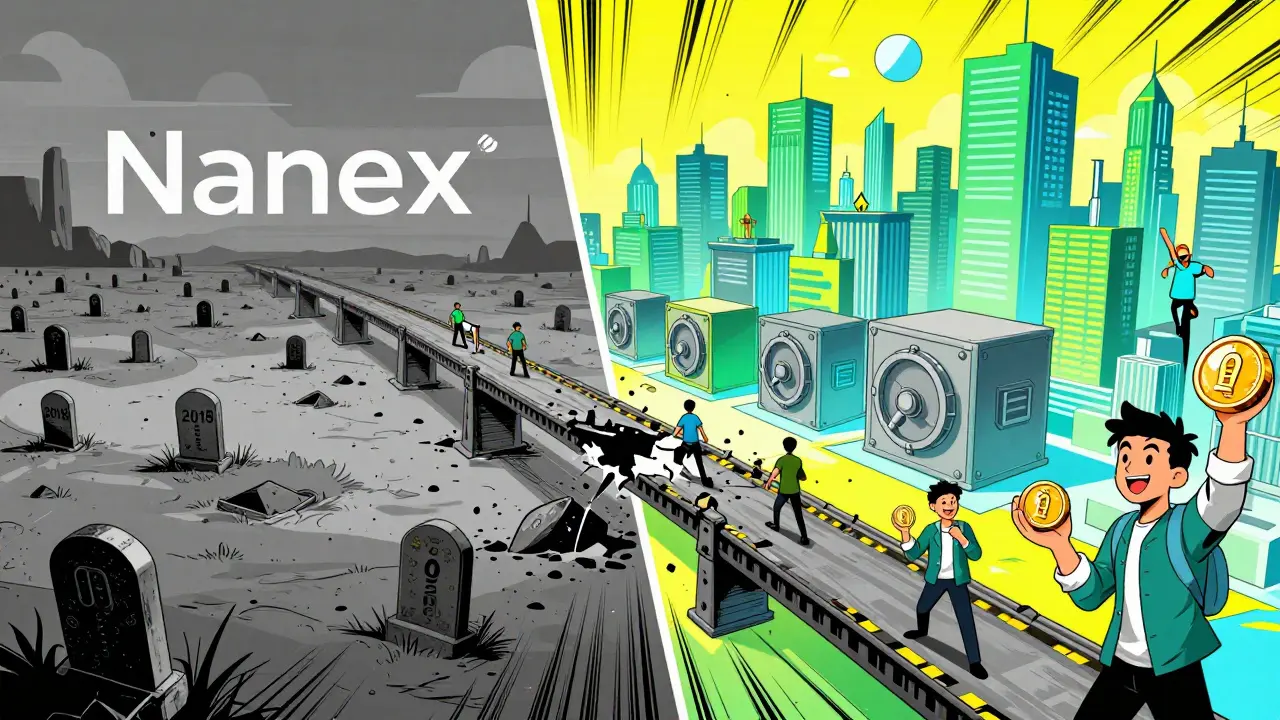
As the market matured, major platforms added Nano support. Once Binance or Kraken started listing XNO, users migrated instantly. They wanted the safety of established brands and the depth of order books. Nanex couldn’t compete. It didn’t die because of a hack or a scandal; it died because it became irrelevant.
Where Should You Trade Nano Now?
If you are looking to buy, sell, or trade Nano, you need a platform that is alive, liquid, and secure. Here are the current standards for NANO trading:
- Binance: Offers high liquidity and multiple trading pairs for Nano. It’s the largest exchange by volume globally.
- Kraken: Known for strong security and regulatory compliance in Western markets. Great for fiat on-ramps.
- Nano Wallet (Official): Remember, Nano doesn’t need an exchange to move value. You can send Nano directly between wallets with zero fees. Use a reputable non-custodial wallet like Natrium or Kalium to hold your assets yourself.
The key takeaway? Don’t leave your coins on an exchange unless you are actively trading. With Nano, you can self-custody easily and safely. This eliminates the risk of exchange failure entirely.
What To Do If You Had Funds on Nanex
This is the tough part. If you left funds on Nanex in 2018 and never withdrew them, I hate to break it to you, but those funds are almost certainly lost. Here is why:
When an exchange shuts down without a public announcement or a recovery plan, the private keys to the hot and cold wallets are either destroyed, stolen, or inaccessible. Even if the original founders still exist, they have no incentive to return funds years later, especially without a legal framework to enforce it. There are no known recovery agencies or blockchain explorers that can reverse this type of loss.
Do not trust anyone online claiming they can "recover" your Nanex funds. These are scammers. They will ask for an upfront fee or your seed phrases, and then disappear. Legitimate recovery is impossible for defunct centralized exchanges.
Is Nanex crypto exchange still working in 2026?
No. Nanex shut down permanently on April 30, 2018. The website may load, but there is no backend server processing trades, and no support team exists. Any attempt to deposit funds will result in total loss.
Can I recover my Nano from Nanex?
It is highly unlikely. Since the exchange has been closed for nearly eight years, the private keys required to access the funds are presumed lost or compromised. Beware of scams offering recovery services; they are fraudulent.
Why did Nanex close?
Nanex failed due to low liquidity, lack of user adoption, and inability to compete with larger exchanges that began supporting Nano. Combined with poor transparency regarding its corporate structure, it could not sustain operations.
Was Nanex a safe exchange?
Even when it was operational, Nanex had significant safety concerns. It lacked transparent corporate information, had unclear asset storage policies, and eventually showed zero trading volume, indicating potential insolvency or abandonment before the official shutdown.
What are the best alternatives for trading Nano today?
The most reliable platforms for trading Nano in 2026 include Binance, Kraken, and Bitfinex. For holding Nano, use non-custodial wallets like Natrium or Kalium, which allow you to control your own keys with zero transaction fees.