Protecting Your Seed Phrase from Physical Theft: A Complete Guide
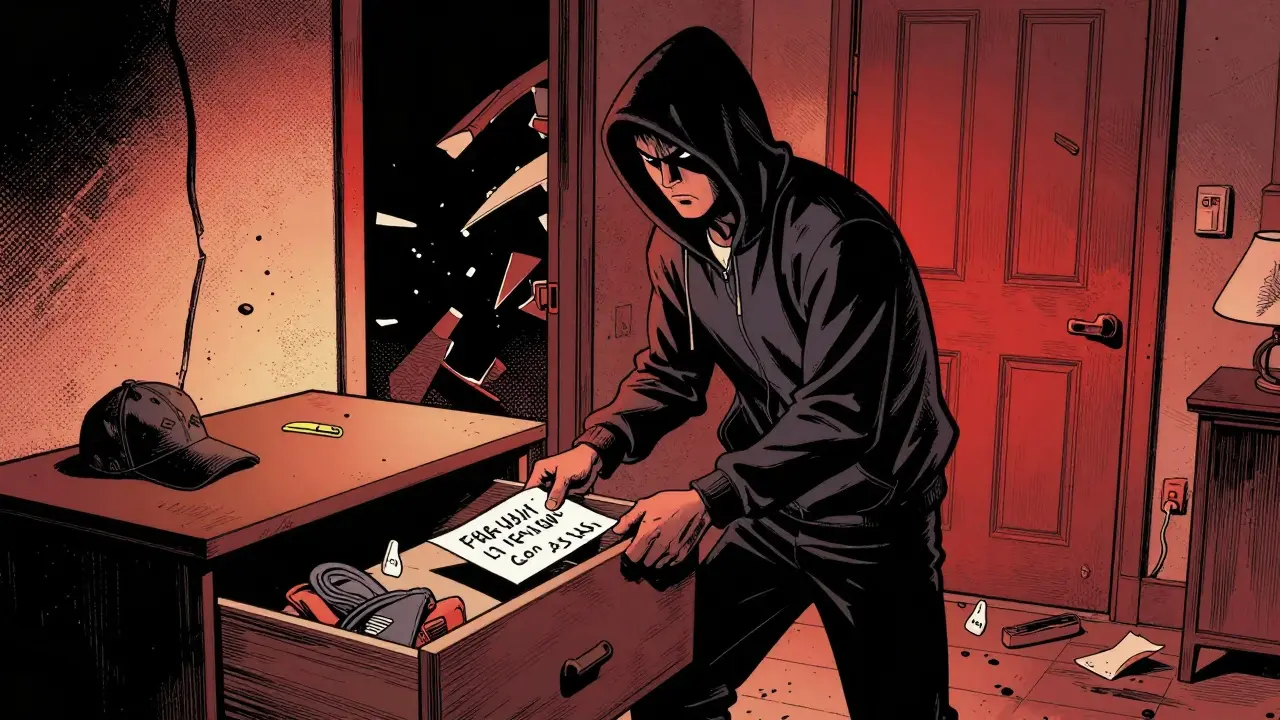
Imagine coming home to find your door kicked in. The burglars didn't care about your jewelry or your laptop. They knew exactly what they were looking for: a small piece of paper taped under your desk drawer containing twelve random words. In seconds, they drained your life savings into a digital wallet halfway across the world. This isn't a movie plot; it is a terrifying reality for thousands of cryptocurrency holders. According to Harvard's Center for Internet and Society, nearly 70% of seed phrase thefts happen through physical compromise, not hacking.
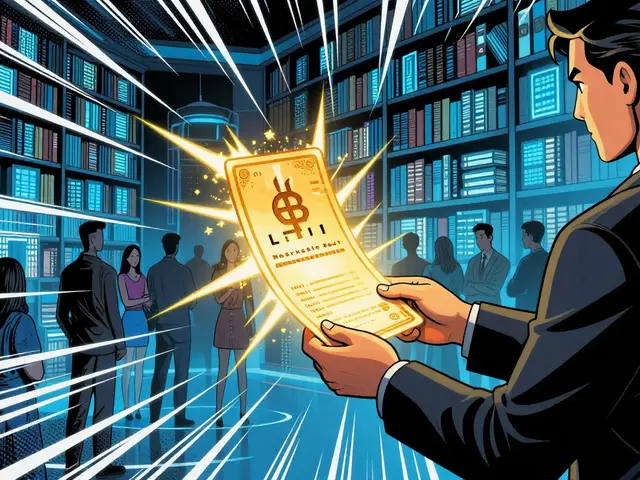
Your seed phrase is the master key to your cryptocurrency wallet, typically consisting of 12 or 24 randomly generated words that allow you to recover access to your funds if you lose your device. It follows the BIP-39 standard established in 2013. If someone gets those words, they own your crypto. There is no customer support line to call. There is no 'forgot password' button. Blockchain transactions are irreversible. Protecting this phrase from physical theft requires moving beyond simple paper notes and adopting a strategy that accounts for fire, water, burglary, and even legal seizure.
Why Paper Backups Are Not Enough
We have all been told to write our seed phrase on paper. It is cheap, easy, and seems logical. But paper is fragile. Standard printer ink begins fading after just 18 months under normal storage conditions, according to Vault12's durability studies. If you live in a humid climate, mold can destroy your backup before you ever need it. More critically, paper burns. In fire incidents, standard paper backups fail completely in 43% of cases. If your house catches fire, your insurance might replace your furniture, but it won't replace the Bitcoin lost because your recovery phrase turned to ash.
Pencil on archival paper lasts longer-up to 200 years-but it is still vulnerable to physical theft. A burglar doesn't need to break into a high-tech vault; they just need to find a notebook. If you store that paper in a bank safe deposit box, you face a different risk. The SEC has noted that storing recovery phrases in bank boxes can subject your assets to traditional financial regulations. In one documented case, a user lost access to $85,000 in crypto for six months because their account was frozen during an audit, locking them out of the box containing their keys.
The Metal Backup Solution
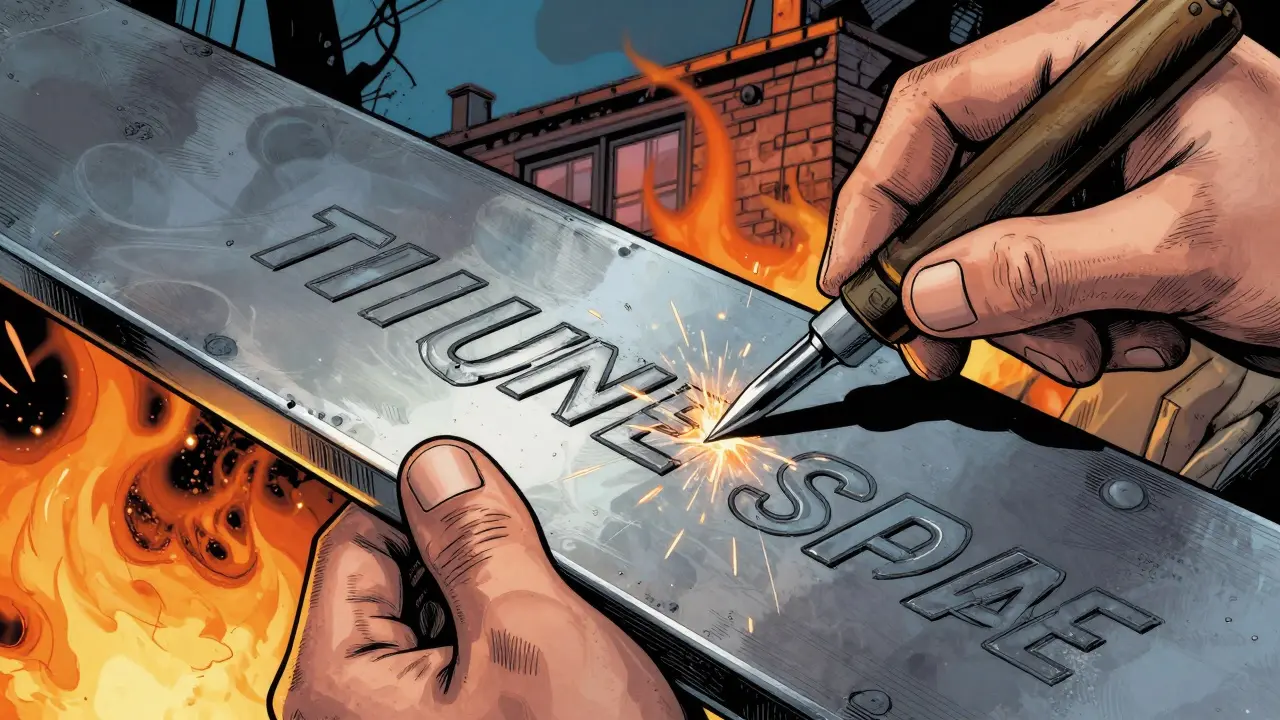
To protect against fire and water damage, you need a medium that survives extreme environments. Metal backups, such as those made from titanium or stainless steel, withstand temperatures up to 2,500°F. Products like Cryptosteel cost around $130, which is a small price compared to the value of the assets they protect. Japanese users, driven by earthquake preparedness culture, show an 89% adoption rate for metal backups, far higher than the 32% seen in the US.
Setting up a metal backup takes time. You will spend 30 to 45 minutes engraving or punching each word into the metal plate. Be careful here: 68% of users make errors in their first attempt. Take your time. Verify every letter. Once engraved, test the backup by restoring it to a separate wallet (with zero funds) to ensure the words match perfectly. Store these metal plates in geographically separate locations. If one location suffers a disaster or theft, the other remains safe. Keep them at least 50 miles apart to mitigate risks from regional disasters.
Hardware Wallets: The First Line of Defense
A hardware wallet is a physical device designed to store cryptocurrency private keys offline, protecting them from online hacks and malware. Devices like Ledger and Trezor cost between $79 and $199. They do not store your seed phrase in a way that is easily readable by thieves. Instead, they use the seed phrase internally to sign transactions. Even if a thief steals your hardware wallet, they cannot access your funds without the PIN code. If they guess the wrong PIN too many times, the device wipes itself clean.
However, the hardware wallet itself is not the ultimate protection. The seed phrase inside it is. If a thief forces you to reveal your PIN under duress, or if they steal both the device and your written backup, you are compromised. This is why hardware wallets must be paired with strong physical security practices for the backup phrase itself. Ledger reports that proper seed phrase protection prevents over 97% of breach attempts. The device keeps hackers out, but the physical backup keeps thieves out.
Shamir's Secret Sharing: Splitting the Risk
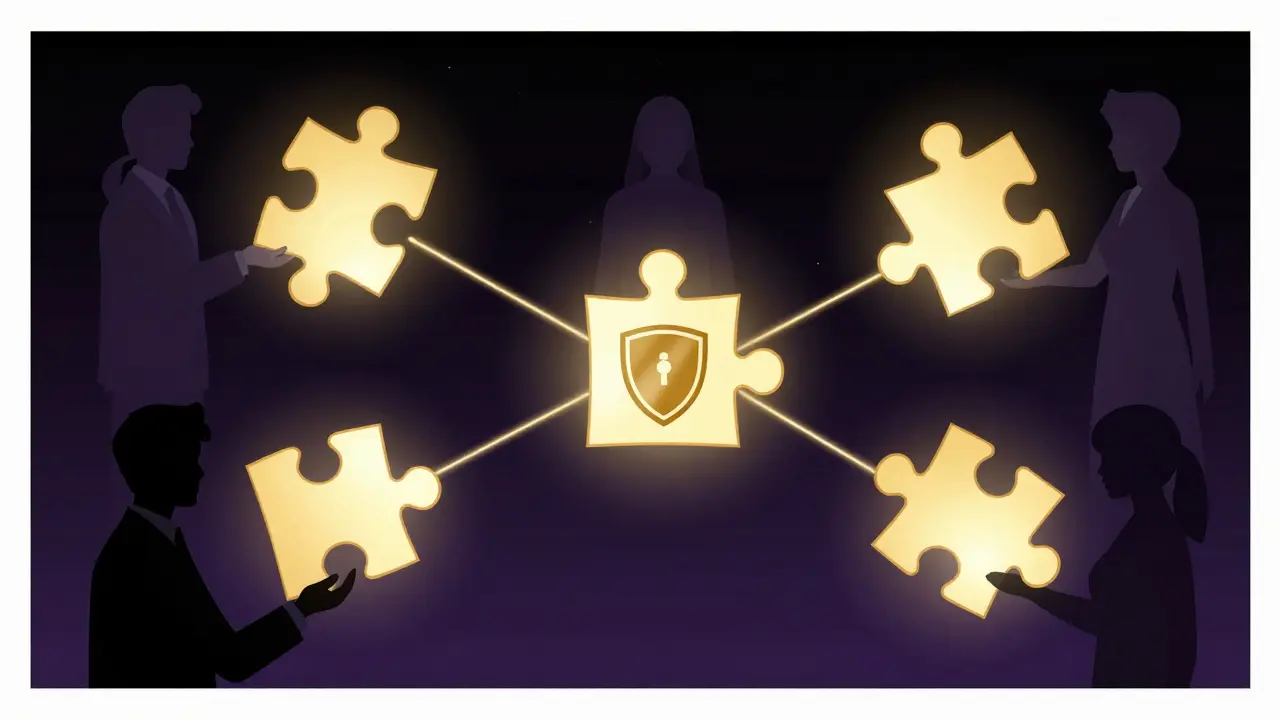
What if you don't trust any single location? What if you want to ensure that no single person-or even yourself, if coerced-can access your funds alone? Enter Shamir's Secret Sharing (SSS) is a cryptographic method that splits a secret into multiple parts, requiring a specific number of parts to reconstruct the original secret. SSS allows you to split your seed phrase into multiple shares. For example, you could create five shares and require any three of them to restore your wallet (a 3-of-5 scheme).
This eliminates single points of failure. You can keep one share in a safety deposit box, give one to your spouse, store one with a lawyer, and keep two in different homes. If a thief breaks into your house, they get only one share, which is useless without the others. Vault12's analysis shows this reduces total loss risk by 83%. However, SSS is complex. Only 28% of users implement it correctly. If you choose this route, follow the instructions precisely. Use reputable tools like those provided by Trezor or dedicated SSS apps, and always verify the shares by reconstructing the seed in a secure environment before destroying the original.
The Power of Passphrase Protection
BIP-39 allows for an optional 25th word, known as a passphrase. This acts as a hidden layer of encryption. Imagine your seed phrase opens a locked box. The passphrase is the combination to the room where that box is kept. Without the passphrase, the seed phrase looks like random garbage. It generates a completely different set of private keys.
This feature is incredibly powerful against physical theft. If a thief finds your seed phrase, they will see a wallet with zero balance if you have moved your funds to the 'passphrase-protected' wallet. You can even set up a decoy wallet with a small amount of crypto to satisfy the thief while your main holdings remain safe. Trezor's firmware updates have enhanced this feature, adding significant entropy to brute-force attacks. However, there is a major risk: if you forget the passphrase, your funds are gone forever. It accounts for 17% of wallet recovery failures. Write the passphrase down separately from the seed phrase, and never store them together.
| Method | Cost | Fire Resistance | Theft Protection | Complexity |
|---|---|---|---|---|
| Paper Backup | $0 | None | Low | Low |
| Metal Backup | $130+ | High (2,500°F) | Medium | Medium |
| Hardware Wallet | $79-$199 | N/A (Device only) | High (PIN protected) | Low |
| Shamir's Secret Sharing | Varies | Depends on medium | Very High | High |
| Passphrase Protection | $0 | Depends on medium | Very High (Decoy capability) | Medium |
Common Mistakes to Avoid
Many people think they are being smart by taking a photo of their seed phrase and saving it to the cloud. Do not do this. The Bitcoin Core development team warns that 92% of compromised wallets involved cloud-stored recovery phrases. Hackers scan email accounts and cloud drives for images of seed phrases. Digital storage is inherently insecure.
Another mistake is storing your seed phrase in a text file on your computer. Malware can scrape your clipboard or hard drive for patterns that look like BIP-39 words. Always keep the seed phrase offline. Never type it into a website unless you are initializing a new hardware wallet, and even then, ensure the site is legitimate.
Also, avoid sharing your seed phrase with anyone. No company, including Ledger or Trezor, will ever ask for your seed phrase. Support staff are trained to tell you this. If someone asks, it is a scam. Treat your seed phrase like the combination to a bank vault that holds your entire net worth.
Building a Multi-Layered Security Strategy
Security is not a product; it is a process. Relying on one method is risky. The best approach combines several layers. Start with a hardware wallet for daily use. Create a metal backup of the seed phrase and store it in a fireproof safe at home. Create a second metal backup and store it in a trusted off-site location, like a lawyer's office or a family member's home. Consider using a passphrase to add an extra layer of encryption, especially if you hold significant amounts of crypto.
If you are holding large sums, explore Shamir's Secret Sharing. Split the seed phrase among trusted parties so that no single point of failure exists. Regularly verify your backups. Test the restoration process annually to ensure the words are legible and correct. As Andreas Antonopoulos states, diversification of storage locations is non-negotiable for serious holdings.
Remember, the goal is to survive worst-case scenarios: fire, flood, burglary, and coercion. By combining durable materials, geographic separation, and cryptographic techniques like passphrases and SSS, you can protect your wealth from physical theft. Stay vigilant, stay offline, and never underestimate the value of those twelve words.
Can I store my seed phrase in a bank safe deposit box?
It is generally not recommended. While banks offer physical security, they also introduce legal risks. If your account is frozen due to an audit or legal dispute, you may lose access to the box, and thus your crypto. Additionally, some jurisdictions may seize assets found in bank boxes. It is safer to use personal, geographically distributed storage locations.
Is writing my seed phrase on paper enough?
Paper is vulnerable to fire, water, and degradation over time. Ink fades, and paper burns. For long-term security, especially for valuable holdings, metal backups are superior. They resist fire up to 2,500°F and last indefinitely. If you use paper, keep it in a fireproof safe, but understand its limitations.
What happens if I lose my seed phrase?
You lose access to your funds permanently. There is no central authority to reset your password. Blockchain technology is decentralized and irreversible. This is why creating and securely storing multiple backups is critical. Never rely on memory alone.
Should I take a photo of my seed phrase?
Absolutely not. Digital copies are highly vulnerable to hacking, malware, and cloud breaches. Over 90% of compromised wallets involved digital storage of recovery phrases. Always keep your seed phrase offline and in physical form only.
How does Shamir's Secret Sharing work?
Shamir's Secret Sharing splits your seed phrase into multiple parts (shares). You define a threshold, such as needing 3 out of 5 shares to reconstruct the phrase. This means losing one or two shares does not result in loss of funds, and no single share reveals the full secret. It provides robust protection against theft and loss.
What is a passphrase in the context of seed phrases?
A passphrase is an optional additional word or phrase added to your seed phrase. It creates a completely different wallet address. If someone finds your seed phrase but doesn't know the passphrase, they will see an empty wallet. It adds a layer of stealth and security, but forgetting it means permanent loss of funds.
Do hardware wallets protect against physical theft?
Hardware wallets protect against unauthorized access via PIN codes and self-wiping mechanisms. However, if a thief obtains both the device and your written seed phrase, they can bypass the PIN. Therefore, the physical security of the seed phrase backup is just as important as the device itself.