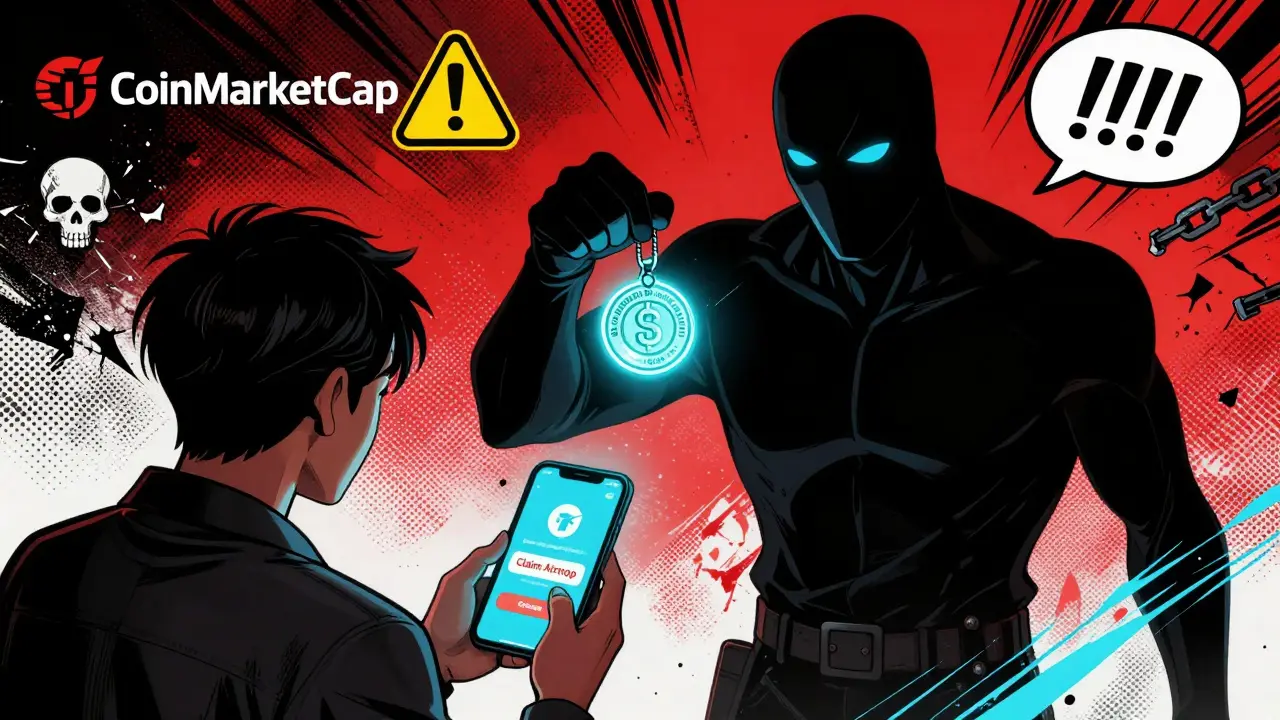
SaferMoon x CoinMarketCap Airdrop: Is It Real or a Scam?
You’ve likely seen the flashy banners promising free tokens from a "SAFERmoon" partnership with CoinMarketCap. The promise is irresistible: connect your wallet, claim your share, and watch your balance grow. But before you click that link or sign any transaction, stop. In the world of cryptocurrency, if it sounds too good to be true, it almost certainly is. There is no official project called "SAFERmoon," nor is there a legitimate joint airdrop between such an entity and CoinMarketCap.
This confusion often stems from a mix-up with SafeMoon, a controversial cryptocurrency that has undergone significant changes in recent years. While SafeMoon has announced new token distributions and network migrations, these are distinct from the fake "SAFERmoon" schemes circulating online. Understanding the difference between real blockchain developments and malicious scams is crucial for protecting your digital assets.
The Reality Behind the "SAFERmoon" Name
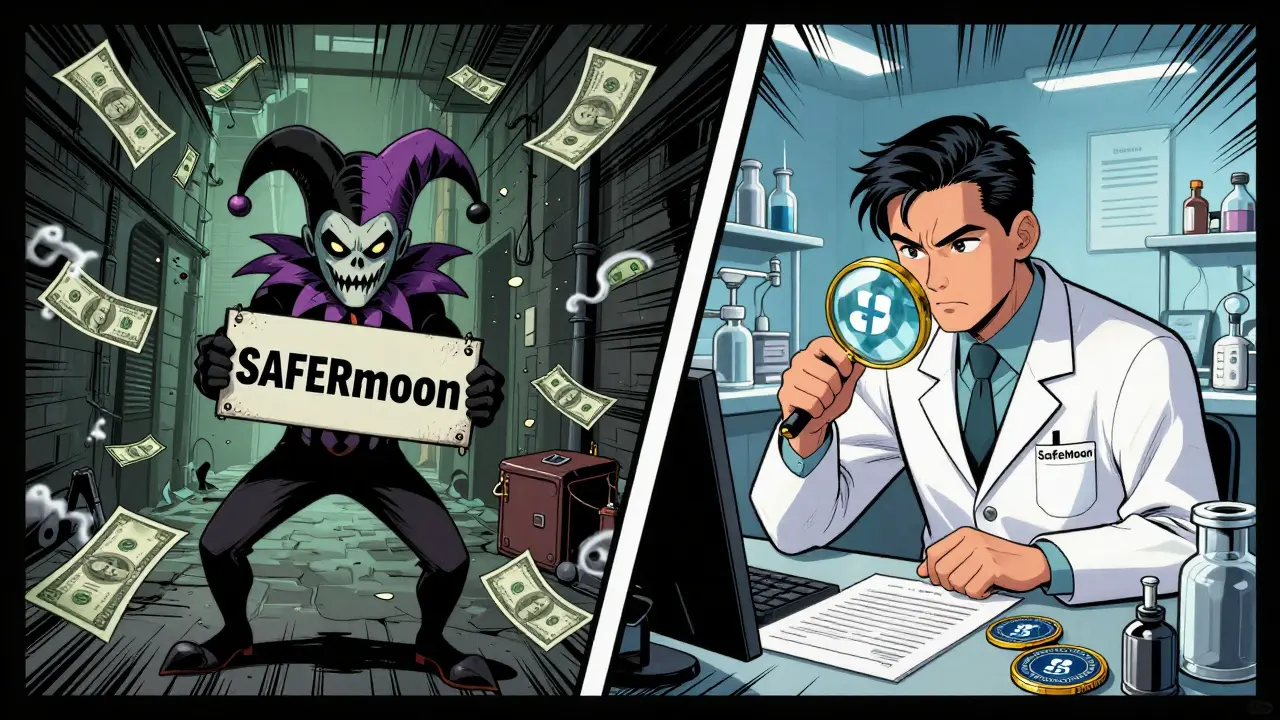
First, let’s clear up the biggest misconception: SAFERmoon is not a recognized cryptocurrency project. If you search for this specific term on major tracking platforms like CoinMarketCap or CoinGecko, you will find no official listing. This absence is a massive red flag. Legitimate projects always have verifiable data, active developer repositories, and transparent team information.
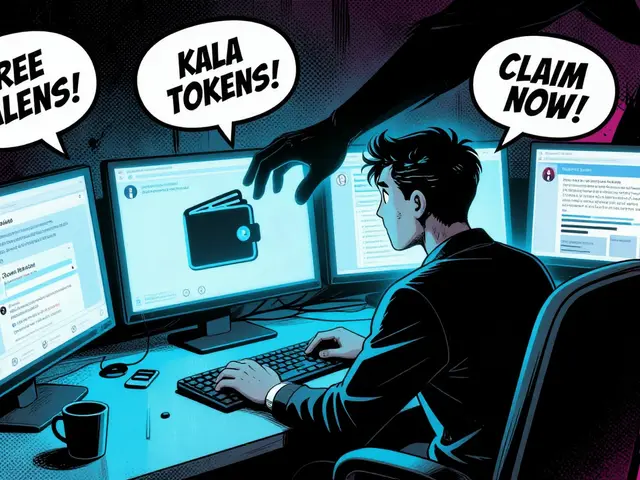
Scammers frequently create names that sound similar to popular brands to trick users. By adding "ER" to "SafeMoon," they create a brand-new, unregulated token. These tokens often mimic the logo and website design of the original project but host malicious smart contracts. When you interact with these sites, you aren’t claiming rewards; you are likely authorizing a transaction that drains your wallet.
It is vital to distinguish between:
- SafeMoon (SFM): The original, albeit controversial, token with a known history and legal battles.
- SAFERmoon: A non-existent or fraudulent entity using a similar name to exploit community trust.
If you encounter a site claiming to be "SAFERmoon," assume it is a phishing attempt until proven otherwise by direct verification from official channels.
CoinMarketCap Does Not Host Airdrops
A common tactic in these scams is leveraging the reputation of CoinMarketCap. Users see the CMC logo and assume legitimacy. However, CoinMarketCap is primarily a price-tracking and informational platform. They do not host, distribute, or manage airdrops directly through their main interface.
While CoinMarketCap may list projects that are conducting airdrops, they do not facilitate the distribution themselves. Any email, pop-up, or website claiming that "CMC is giving away SaferMoon tokens" is fabricated. CoinMarketCap has repeatedly warned users about phishing sites that use their branding. Always check the URL carefully. Official communications from reputable crypto platforms will never ask you to connect your private keys or sign arbitrary transactions to "claim" funds via a third-party link.
To verify if a project is listed, go directly to the CoinMarketCap website and search for the token. If it is not there, or if the market cap looks suspiciously low despite high claims, proceed with extreme caution.
Understanding the Real SafeMoon Developments
Confusion often arises because the actual SafeMoon project has been undergoing major transitions. After filing for Chapter 7 bankruptcy in 2023, its assets were acquired by the VGX Foundation. This new management has introduced plans for decentralization and new token mechanics, which may be what some scammers are trying to piggyback on.
In late 2024, the SafeMoon team announced the burning of 2.2 trillion SFM tokens across multiple networks, including Solana, Polygon, and Binance Smart Chain. They also revealed plans for a new memecoin launch on Solana. Existing holders were given the option to exchange their old tokens at a 1:1 ratio for the new asset. This process was designed to prevent immediate sell-offs and stabilize the price.
However, this official process happens through verified wallets and contract addresses published on SafeMoon’s official social media channels and website-not through random "SAFERmoon" portals. The distinction is critical. The real SafeMoon transition involves complex blockchain interactions that require careful execution, whereas the fake "SAFERmoon" sites usually just ask for a simple signature to steal your funds.
Red Flags: How to Spot an Airdrop Scam
Protecting yourself requires recognizing the patterns used by fraudsters. Here are the most common signs that an airdrop is a scam:
- Unsolicited Contact: You receive an email, DM, or pop-up offering free tokens without you having requested anything. Legitimate airdrops are rarely pushed aggressively via unsolicited messages.
- Urgency Tactics: Messages claiming you must act within minutes or hours to avoid losing out. Scammers rely on panic to bypass your critical thinking.
- Spelling Errors: Look closely at the name. "SAFERmoon" instead of "SafeMoon." Small typos or added letters are deliberate attempts to evade trademark detection while confusing users.
- Wallet Connection Requests: If a site asks you to connect your wallet to "claim" tokens, be wary. Legitimate airdrops often send tokens directly to your address or require a gas fee transaction, not a broad approval authorization.
- Unverified Links: Check the domain. Is it `safermoon-airdrop.com` or something obscure? Official projects use well-known domains. Hover over links to see the actual destination.
Another major red flag is the request for your seed phrase. No legitimate service will ever ask for your 12 or 24-word recovery phrase. If a site asks for this, disconnect immediately and wipe your device if necessary.
The Legal Context and Risks of SafeMoon
Even if you are dealing with the real SafeMoon, it comes with significant risks. The project has a troubled history. In May 2025, former CEO Braden John Karony was convicted of conspiracy to commit wire fraud, securities fraud, and money laundering. Prosecutors alleged that he and his partners misled investors during the 2021-2022 bull run, diverting millions from the liquidity pool.
This legal backdrop means that holding SafeMoon carries regulatory risk. The FBI has urged investors who lost money to come forward, indicating ongoing federal investigation. While the VGX Foundation now controls the assets, the stigma and legal uncertainties remain. Price predictions vary wildly, with some analysts suggesting a high of $0.000009 in 2025, while others predict much lower values. This volatility makes it unsuitable for day trading due to the 10% transaction fee structure, which includes a 5% reward to holders and 5% to liquidity.
Understanding this context helps explain why scammers target the SafeMoon community. They know many holders are anxious about the token’s future and are looking for ways to recover losses or gain exposure to new opportunities. This emotional vulnerability is exactly what fraudsters exploit.
How to Verify Cryptocurrency Projects Safely
To avoid falling victim to scams like the fake SaferMoon airdrop, adopt a rigorous verification routine:
- Check Official Sources: Only trust information from the project’s official Twitter, Discord, or website. Do not follow links from random comment sections or Telegram groups.
- Use Reputable Trackers: Verify listings on CoinMarketCap or CoinGecko. Look for the "Verified" badge if available. Check the contract address against the one listed on the official site.
- Analyze the Team: Legitimate projects have public teams with LinkedIn profiles and past experience. Anonymous teams are a higher risk, especially in post-bankruptcy scenarios.
- Review Community Sentiment: Look for discussions on Reddit or specialized crypto forums. Are people warning about scams? Is there genuine development activity?
- Never Share Private Keys: Use a hardware wallet like Ledger or Trezor for storing valuable assets. Never enter your seed phrase into any website.
If you suspect you have already interacted with a scam site, revoke all approvals immediately using tools like Revoke.cash. Monitor your wallet for unauthorized transactions and consider moving your remaining assets to a new wallet with a fresh seed phrase.
Is there a real SaferMoon cryptocurrency?
No, there is no officially recognized cryptocurrency called "SAFERmoon." This name is likely used by scammers to mimic the well-known but controversial SafeMoon project. Always verify project names on trusted platforms like CoinMarketCap.
Does CoinMarketCap host airdrops?
CoinMarketCap does not host or distribute airdrops directly. It is a price-tracking platform. Any claim that CMC is giving away tokens through their site is a scam. Always check the URL and source of such offers.
What happened to SafeMoon?
SafeMoon filed for bankruptcy in 2023, and its assets were acquired by the VGX Foundation. Former CEO Braden Karony was convicted of fraud in 2025. The project is undergoing restructuring, including token burns and potential new launches on Solana.
How can I tell if an airdrop is a scam?
Look for spelling errors in the project name, unsolicited contact, urgency tactics, and requests to connect your wallet or share seed phrases. Legitimate airdrops are rare and usually announced through official channels with clear instructions.
Is SafeMoon safe to hold?
SafeMoon carries high risk due to its legal history and volatility. It is not suitable for short-term trading. Holders should be aware of the 10% transaction fee and the ongoing regulatory scrutiny surrounding the project.

15 Comments
Routh Middaugh
June 27 2026It is absolutely crucial to verify the source of any such offers. The distinction between SafeMoon and SAFERmoon is not merely semantic; it is existential for your portfolio. I have seen too many friends lose everything because they did not pause to think. Please, do not be that person.
Carl Belgrave
June 29 2026Wake up people! This is exactly why we need stricter regulations on these crypto scams. It's a disgrace that platforms like CoinMarketCap are used as cover for this garbage. Americans are getting fleeced by overseas scammers who don't care about our financial security. We need to take back control of our digital assets and stop trusting these foreign entities with our money.
Daniel J. Cox
June 30 2026Just another day in the wild west of crypto lol. I always check the URL twice before clicking anything. If it looks fishy, I leave it alone. Stay safe out there guys!
Jon Milton
July 1 2026The philosophical implication here is significant. We are seeing a breakdown of trust in digital institutions. When names are mimicked so closely, it suggests a systemic failure in brand protection. However, we must remain open-minded about the technology itself while being aggressive against fraud. It is a delicate balance between innovation and security. We cannot let fear paralyze us, but we must let caution guide us. The community needs to police itself more effectively. Education is the only true shield against these predators.
Nicole Woessner
July 3 2026i never understood why people fall for these things. its so obvious when you see the spelling errors. just check the official site and you would know its fake. really makes me wonder if people even read before they click
Abby Martin
July 3 2026Oh please, spare me the basic advice. Anyone with half a brain knows CMC doesn't host airdrops. It's insulting to suggest otherwise. You're all walking into traps because you refuse to learn how blockchain actually works. It's pathetic. Stop whining and start learning or get out of the game.
Maurice Flynn
July 4 2026Take a breath and look at the facts. The real SafeMoon has had a rough ride, but that doesn't mean every new token is a scam. Just stay chill and verify. Don't let the noise distract you from the actual developments happening on Solana. Keep moving forward.
nancy jarecki
July 5 2026The epistemological crisis within the cryptocurrency sector is palpable. One observes a profound lack of due diligence among the retail investor demographic. The conflation of 'SafeMoon' with 'SAFERmoon' demonstrates a catastrophic failure in critical thinking skills. Furthermore, the reliance on third-party aggregators for validation is intellectually lazy. True discernment requires direct engagement with the smart contract code and audit reports. Those who fail to exercise this level of scrutiny deserve their losses. It is a natural selection process for the financially literate.
Robert Hundley
July 6 2026Let's keep it positive everyone! There are still great opportunities out there if you do your homework. Don't let the bad actors ruin the fun. Connect with good communities and share knowledge. You got this! :)
Rob Morton
July 8 2026I've been following the VGX Foundation transition closely. It's complex, yes, but there is logic to it. The burning of tokens is a standard deflationary mechanism. The key is patience. Ask yourself: does this align with the official roadmap? If not, walk away. Curiosity should lead to verification, not action.
Ryan Peters
July 9 2026Seriously? You guys are falling for 'SAFERmoon'? Are you kidding me? The sheer incompetence displayed here is staggering. It's almost funny how easy it is to trick you. Use a hardware wallet for god's sake. Stop using hot wallets for everything. It's basic security protocol. If you can't handle that, maybe crypto isn't for you. Pathetic.
ross harris
July 10 2026The rot goes deep, my friends. These scammers are vultures circling the carcass of a failed project. They smell desperation. They know you want your money back. It's a psychological war. They use your hope against you. The 'SAFERmoon' name is a grotesque parody of safety. It's a lie wrapped in green text. Don't let them steal your soul along with your tokens.
Carl Hanzel
July 12 2026You're all missing the point. The problem isn't the scam, it's the gullibility. Why do you expect free money? Nothing is free. Every time someone claims an airdrop, they are trying to take something from you. Stop expecting handouts and start earning. Your laziness is your downfall.
Emma Rémond
July 12 2026The semantic manipulation employed by these fraudulent entities is quite sophisticated, yet utterly transparent to the trained eye. To confuse 'SafeMoon' with 'SAFERmoon' is to engage in a trivial linguistic trickery that preys on cognitive biases. One must analyze the underlying contract architecture rather than the superficial branding. The absence of verifiable developer activity on GitHub is a definitive indicator of malicious intent. Relying on CoinMarketCap listings without cross-referencing primary sources is an amateurish approach to asset management. It reflects a broader ignorance of decentralized finance principles.
Carol @minaszilda
July 13 2026Stay safe. Verify first.