BYN Crypto: What It Is, Where It’s Used, and Why It Matters
When people talk about BYN crypto, the digital ecosystem tied to the Belarusian ruble, often misunderstood as a standalone cryptocurrency. Also known as Belarusian digital ruble, it’s not a decentralized coin like Bitcoin—it’s a state-driven effort to digitize the national currency using blockchain infrastructure. Unlike private tokens, BYN crypto exists within a tightly controlled system, designed to track payments, reduce cash dependency, and give the government visibility into financial flows—all while keeping the Belarusian ruble (BYN) as its anchor.
This isn’t about mining or DeFi yields. It’s about state digital currency, a government-issued digital version of a national fiat currency. Also known as CBDC, it’s the same concept the ECB, Fed, and People’s Bank of China are testing—but Belarus moved faster. Their system, launched in 2022, lets citizens pay taxes, salaries, and utility bills using digital BYN via official apps. No wallets, no exchanges. Just a direct link between your phone and the central bank’s ledger. What makes this different? Most crypto projects promise freedom from banks. BYN crypto does the opposite—it makes banks, and the state, even more central.
There’s no public blockchain. No open-source code. No token you can buy on Binance. Instead, you’ll find blockchain in Eastern Europe, a growing trend where governments use distributed ledgers for internal control, not decentralization. Also known as permissioned blockchain, it’s used in Belarus to verify transactions between state agencies, banks, and large employers. It’s efficient, traceable, and not designed for speculation. If you’re looking for a BYN token you can trade, you won’t find one. But if you’re curious how a country can use blockchain to tighten financial control, Belarus is one of the clearest examples.
Why does this matter to you? Because if your country starts talking about a digital currency, it’s not science fiction—it’s policy in motion. Belarus didn’t wait for global approval. They built their version, tested it, and rolled it out. Now, every salary paid digitally, every tax filed online, leaves a permanent trail. And while this isn’t crypto as most people imagine it, it’s crypto as governments are starting to use it: not to break free from the system, but to run it better.
Below, you’ll find real posts that dig into how blockchain is being used by states, how digital currencies affect everyday users, and why some "crypto" projects have nothing to do with decentralization. This isn’t about getting rich. It’s about understanding where money is really going—and who’s pulling the strings.
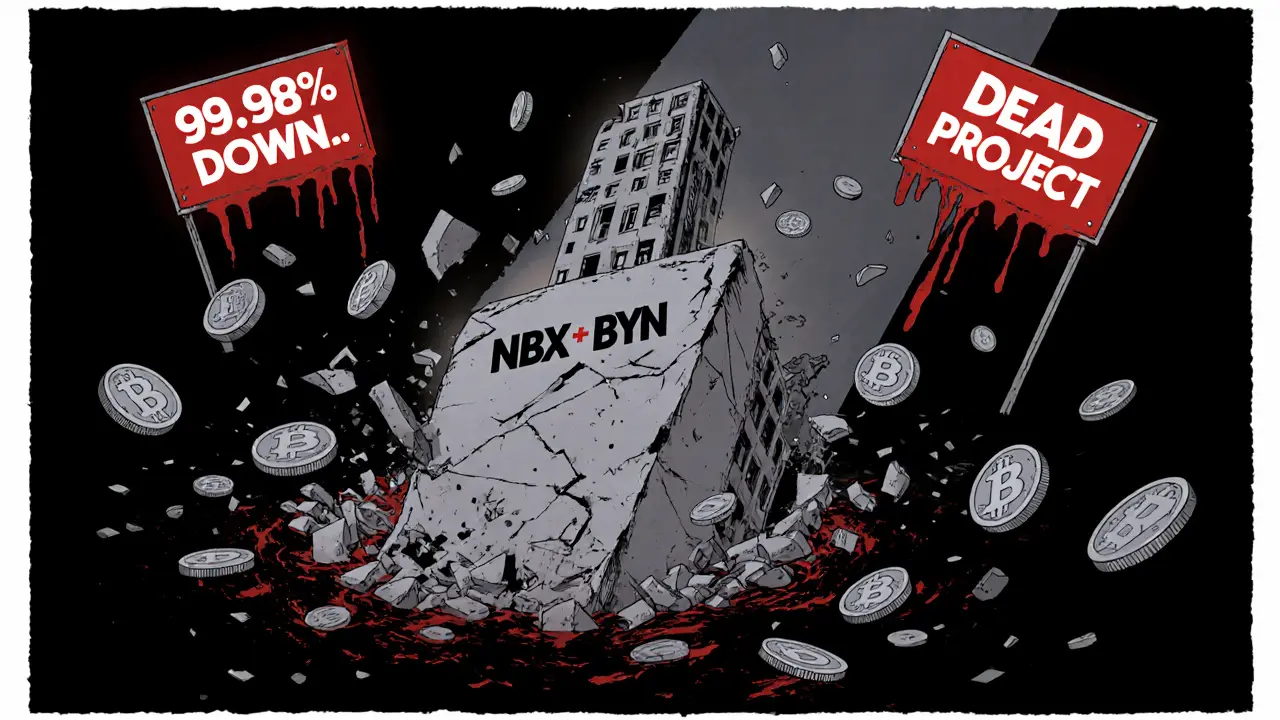
NBX (BYN) is a nearly dead DeFi token that peaked at $5 in 2021 and now trades at $0.0009. With no team, no website, and zero adoption, it's a zombie project with less than 0.5% chance of recovery.
Continue Reading