Is GoodExchange safe? Real risks, red flags, and how to protect your crypto
When you hear GoodExchange, a crypto platform that claims to offer fast trades and low fees, you might wonder if it’s just another quiet player in a crowded market—or a trap waiting to happen. The truth? Most exchanges like this don’t last long, and many never had real security in the first place. There’s no public audit, no clear team, and no track record. If you’re thinking of depositing even a small amount, stop and ask: Who’s behind this? Without answers, you’re not trading—you’re gambling with your keys.
Private key storage, how you hold your crypto access is the first line of defense. If GoodExchange asks you to keep your funds on their site, you’re giving up control. Real security means using a hardware wallet like a YubiKey, a physical device that stores crypto keys offline, not trusting a website with a flashy logo. Scammers love platforms that promise easy deposits and instant withdrawals—they know users skip the fine print. Look at posts about CAKEBANK airdrop, a fake token with no team or website or WOR crypto, a film-themed scam that crashed 99.5%. Those didn’t vanish overnight. They grew quietly, then disappeared with users’ money.
Exchanges that don’t answer questions about regulation, KYC, or where funds are stored aren’t risky—they’re dangerous. Compare this to Blockchain.com, a regulated exchange trusted by beginners for secure Bitcoin storage. It’s not the flashiest, but it’s transparent. GoodExchange? No public records. No legal address. No customer support history. That’s not a feature—it’s a warning light. Even if the site looks professional, if you can’t verify who runs it, you shouldn’t trust it. Real platforms don’t hide. They show their licenses, their team, their audits. If they don’t, they’re not trying to protect you—they’re trying to collect your assets before you realize what’s happening.
Before you click "Deposit," ask yourself: Would I give my house keys to someone I met online? Crypto works the same way. Your private keys are your ownership. No exchange, no matter how clean its interface, can replace that. The posts below cover real cases where users lost everything because they trusted the wrong platform. You’ll see how whale manipulation, big players moving markets to trap new users often targets unregulated exchanges. You’ll find out why ZENIQ crypto, a token with no audits or adoption still had traders hooked. And you’ll learn how to spot the same patterns in any new exchange before it’s too late. This isn’t about fear. It’s about knowing what to look for—so you don’t become the next statistic.
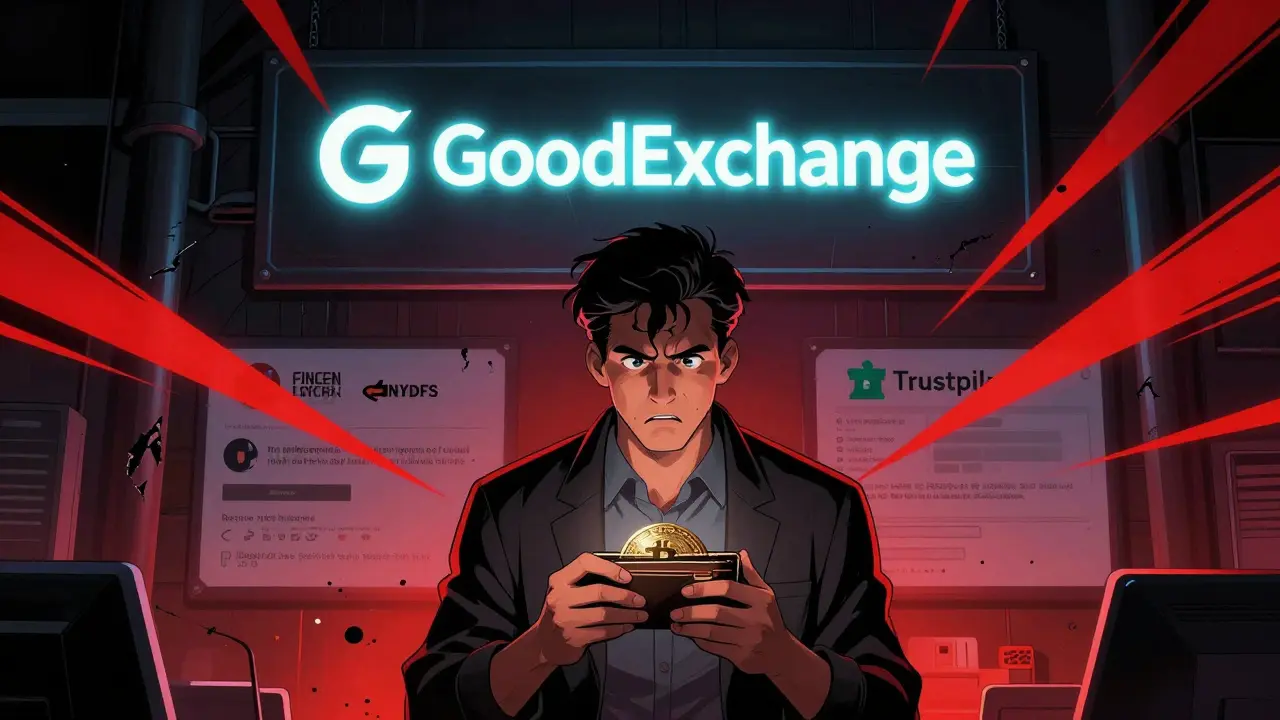
GoodExchange is not a legitimate crypto exchange in 2025. No regulatory records, user reviews, or industry reports confirm its existence. Avoid it - it's a scam designed to steal your crypto. Use trusted platforms like Coinbase or Kraken instead.
Continue Reading