Radiant Capital: What It Is, How It Works, and What You Need to Know
When you hear Radiant Capital, a cross-chain DeFi protocol that lets users lend and borrow crypto across multiple blockchains. It's not just another lending platform—it's built to move money between chains without wrapping assets, making it faster and cheaper than most alternatives. This matters because if you're using Ethereum, Arbitrum, or Polygon, you don’t have to lock your assets in bridges or wait hours for transfers. Radiant Capital lets you use your crypto where it already is.
What makes Radiant Capital different? It combines yield farming, the practice of earning rewards by supplying liquidity to DeFi protocols with crypto lending, the act of loaning out your digital assets to earn interest. You can deposit BTC, ETH, or stablecoins and instantly earn interest, while others borrow them to trade or leverage positions. The system runs on smart contracts, so there’s no bank or middleman. And unlike older platforms, it supports real-time collateral swaps, meaning if your asset drops in value, you can swap it for something more stable without leaving the protocol.
Behind the scenes, governance tokens, tokens that give holders voting power over protocol changes are key. Radiant’s native token, RADIANT, lets users vote on things like interest rates, supported assets, and fee structures. This isn’t just symbolism—real decisions get made this way. If a community votes to add a new coin, it shows up within days. If they reject a risky asset, it never gets listed. That’s the power of decentralized control.
But here’s the thing: Radiant Capital isn’t for everyone. If you’re new to DeFi, the interface can feel overwhelming. There’s no customer service hotline. If you mess up a transaction, you’re on your own. That’s why most users here are either active traders or long-term holders who understand how collateralization ratios work. They’re not chasing hype—they’re optimizing returns across chains.
What you’ll find in the posts below are real-world examples of how people use Radiant Capital. Some are tracking how their lending APY changed after a governance vote. Others are comparing it to Aave or Compound. A few warn about the risks of over-leveraging. And yes, there’s one post about a scam pretending to be Radiant Capital’s official airdrop—don’t fall for it. This isn’t a list of fluff. It’s a collection of what’s actually happening on the ground.
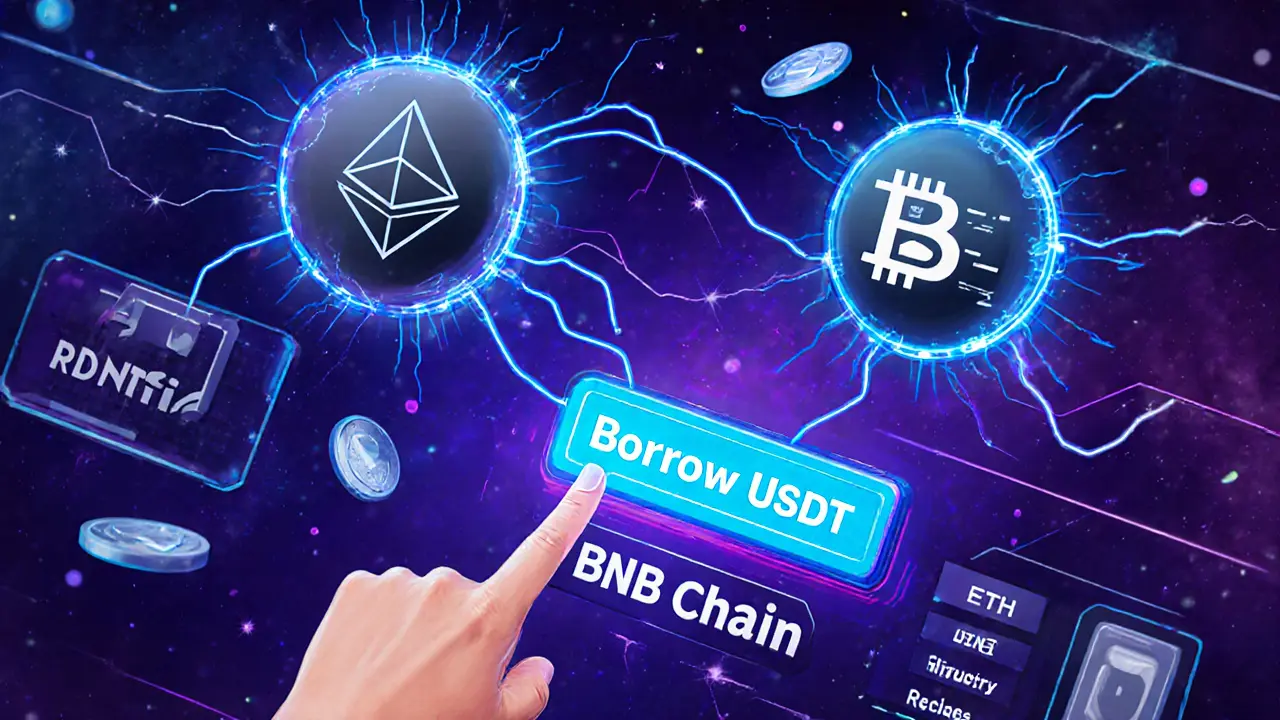
Radiant Capital (RDNT) is a cross-chain DeFi lending protocol that lets users deposit and borrow assets across multiple blockchains without bridges. Learn how RDNT works, its risks, and whether it's worth using.
Continue Reading