SakeToken rewards: What They Are and How They Work
When you hear SakeToken rewards, blockchain-based incentives distributed to users for participation, staking, or engagement. Also known as token rewards, these are designed to align user behavior with a project’s growth — but not all of them deliver on that promise. Unlike traditional loyalty points, SakeToken rewards live on-chain, often tied to smart contracts that automatically distribute tokens when certain conditions are met. But here’s the catch: many projects launch these rewards without real utility, turning them into empty gamification gimmicks.
These rewards are usually part of a broader tokenomics, the economic design behind a cryptocurrency, including supply, distribution, and incentive structures. Good tokenomics make rewards sustainable — think staking on a DeFi platform that earns you tokens because you’re helping secure the network. Bad tokenomics? They hand out tokens like candy, then vanish when the hype dies. You’ll find examples of both in the posts below. Some rewards require active participation — like holding a token for 30 days or completing a task on a dApp. Others are just airdrops, given out randomly to wallet addresses with no effort needed. The real question isn’t whether you can get them — it’s whether they’re worth anything after you do.
Related concepts like airdrop rewards, free token distributions meant to bootstrap community adoption often get mixed up with SakeToken rewards. But airdrops are one-time events. SakeToken rewards are recurring, or at least meant to be. The difference matters. One gives you a snapshot of value; the other promises ongoing returns. And then there’s the issue of blockchain incentives, the systems that reward users for contributing computing power, liquidity, or attention to a network. These are the backbone of most reward structures — but if the underlying chain is slow, expensive, or abandoned, the rewards become meaningless.
What you’ll find in the posts below isn’t a list of guaranteed payouts. It’s a collection of real cases — some where rewards actually worked, others where they collapsed under their own weight. You’ll see how miners in Venezuela had to jump through government hoops just to earn basic crypto incentives. You’ll see how airdrops on CoinMarketCap gave out NFTs with no clear purpose. You’ll see projects with zero circulating supply pretending to offer rewards. And you’ll see how some platforms, like SushiSwap, built real, lasting reward systems that users actually rely on. This isn’t about chasing the next free token. It’s about understanding which rewards are built to last — and which are just noise.
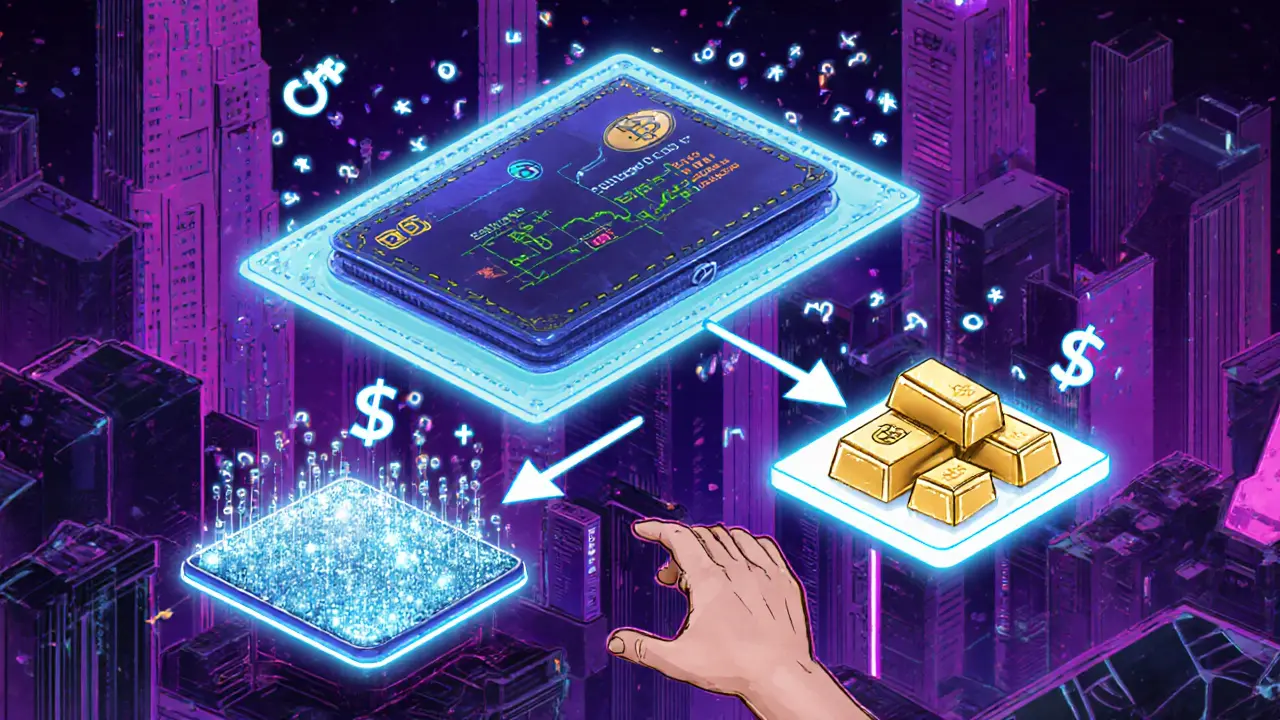
Earn SAKE tokens by trading on SakePerp, lending on Sake Finance, and engaging with the community. Learn how SakePoints work, how to maximize rewards, and what to avoid before the official token launch.
Continue Reading