Stop Hunting in Crypto: How Scammers Trap Traders and How to Avoid It
When you see a crypto price suddenly spike or crash right after you place a trade, it’s not luck—it’s likely stop hunting, a manipulative tactic where traders or bots trigger stop-loss orders to force price moves and profit from the chaos. Also known as stop loss hunting, this is a common tactic in low-liquidity markets where a few big players can move prices with small trades. It’s not just annoying—it’s how people lose money without even realizing they were targeted.
Stop hunting doesn’t happen in Bitcoin or Ethereum markets. Too much volume. But in small-cap tokens—like the ones in Bullit (BULT), WOR, or NBX—you’ll see it every day. Scammers set fake price levels, bait retail traders into placing stop-loss orders just below support or above resistance, then push the price through those levels on purpose. Once the stops trigger, they reverse direction and ride the wave back up, leaving you stuck with a loss. This isn’t market movement—it’s theft disguised as volatility. And it’s closely tied to rug pull, a scam where developers abandon a project after pumping its price and stealing all the liquidity. Many rug pulls use stop hunting to clear out weak hands before vanishing.
It’s not just about price. It’s about timing. You’ll notice it most before major news, during low-volume hours, or right after an airdrop like XCV or SAKE launches. That’s when liquidity is thin, and scammers have the upper hand. Projects with zero trading volume, no team, or fake websites—like OC Protocol with its zero circulating supply—are perfect targets. They don’t need real users. They just need enough people to believe the hype and set stop-losses. That’s why you’ll see so many posts here warning about tokens with no real use, no code, and no community. Those aren’t investments. They’re traps.
How do you fight back? Don’t rely on stop-losses alone. Use limit orders. Avoid tokens with under $1 million daily volume. Watch for sudden spikes with no volume behind them. And never invest in something you can’t verify—like a token with no GitHub, no team, or no real roadmap. If it looks too good to be true, and the chart looks too clean, it’s probably being manipulated. The posts below show you exactly how this plays out—with real examples of tokens that got hunted, drained, and abandoned. You’ll see how stop hunting connects to scams, fake airdrops, and dead DeFi projects. This isn’t theory. It’s what’s happening right now. Learn the signs. Protect your funds. And don’t be the next target.
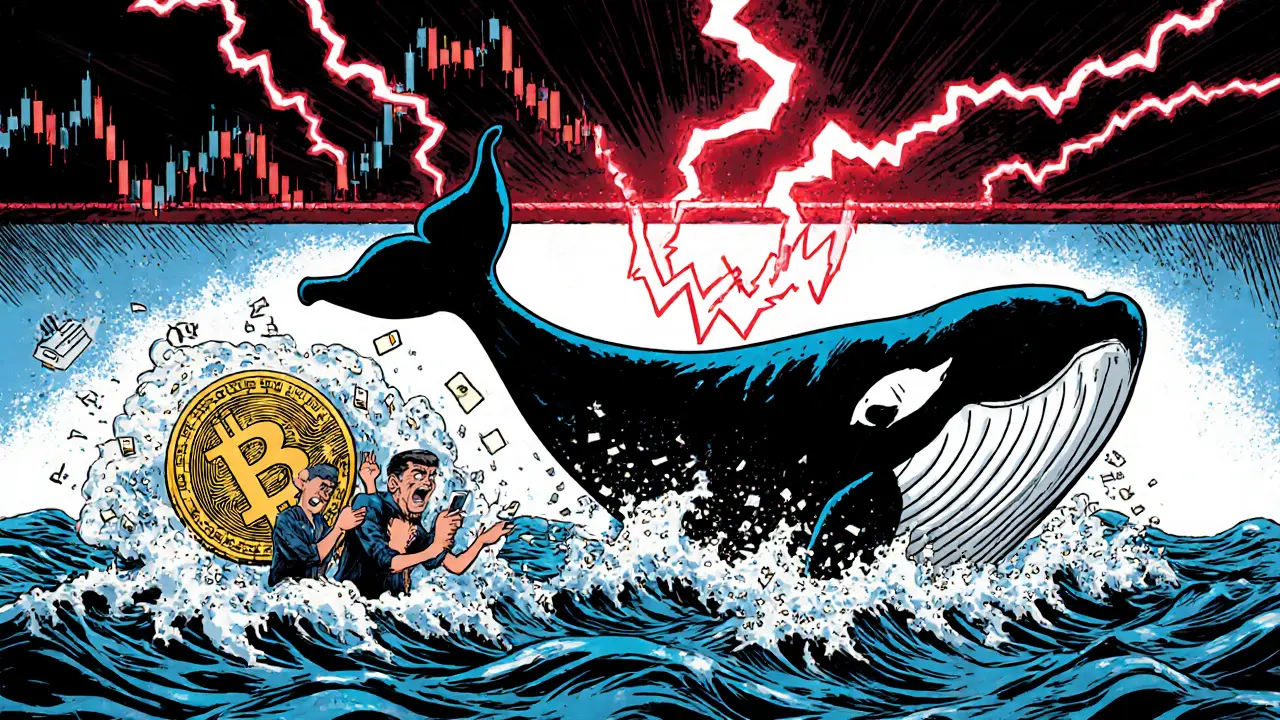
Learn how to identify whale manipulation in crypto markets-spot spoofing, stop hunting, and fake breakouts before they wipe out your positions. Understand the tactics big players use and how to protect yourself.
Continue Reading