Token Governance: How Crypto Communities Make Decisions and Why It Matters
When you hold a crypto token, you’re not just owning a digital asset—you might also hold a token governance, a system where token holders vote on protocol changes, upgrades, and spending decisions. Also known as on-chain governance, it’s the closest thing crypto has to democracy. No CEO decides the next update. No team secretly pushes a change. Instead, people who own the token get to say yes or no—through votes tied to how much they hold.
But here’s the catch: not all token governance works like it should. Some projects give all the power to a few big wallets, turning democracy into oligarchy. Others let anyone vote, but only 2% of holders ever do. And then there are the ones that never let holders vote at all—just pretend they do. You’ll see this in posts about DeFi governance, how decentralized finance protocols handle upgrades and treasury spending through token-based voting, like SushiSwap or Velodrome, where voting power directly affects liquidity rewards and fee structures. It’s not just theory. It’s what keeps a project alive—or kills it.
Look at NBX or OC Protocol. Both have tokens, but no real governance. No votes. No roadmap. No team to answer questions. That’s not innovation—it’s abandonment. Real blockchain voting, the process of submitting and tallying decisions on a public ledger using token ownership as weight needs transparency, participation, and consequences. When a community votes to shut down a failing feature, or redirect funds to fix a bug, that’s governance working. When a team ignores votes and pushes a change anyway, that’s a rug pull in disguise.
And it’s not just about code. Token governance affects your money. If a project changes its fee structure, or how rewards are distributed, your returns could drop overnight. That’s why you need to know who’s voting, how often, and what they’re voting on. The crypto voting, the act of token holders casting ballots on protocol decisions, often through wallets or dedicated platforms systems in SushiSwap V3 or Velodrome v3 aren’t just tech—they’re your financial safety net. If you don’t understand them, you’re trusting strangers with your cash.
You’ll find posts here that show how governance fails—like when a team disappears after raising funds, or when a token with zero circulating supply claims to have a voting system. You’ll also see how real governance looks: community-driven airdrops tied to participation, treasury votes that actually change how money is spent, and systems where even small holders can make a difference. This isn’t about hype. It’s about control. And if you’re holding a token without knowing how decisions are made, you’re not an investor—you’re a spectator.
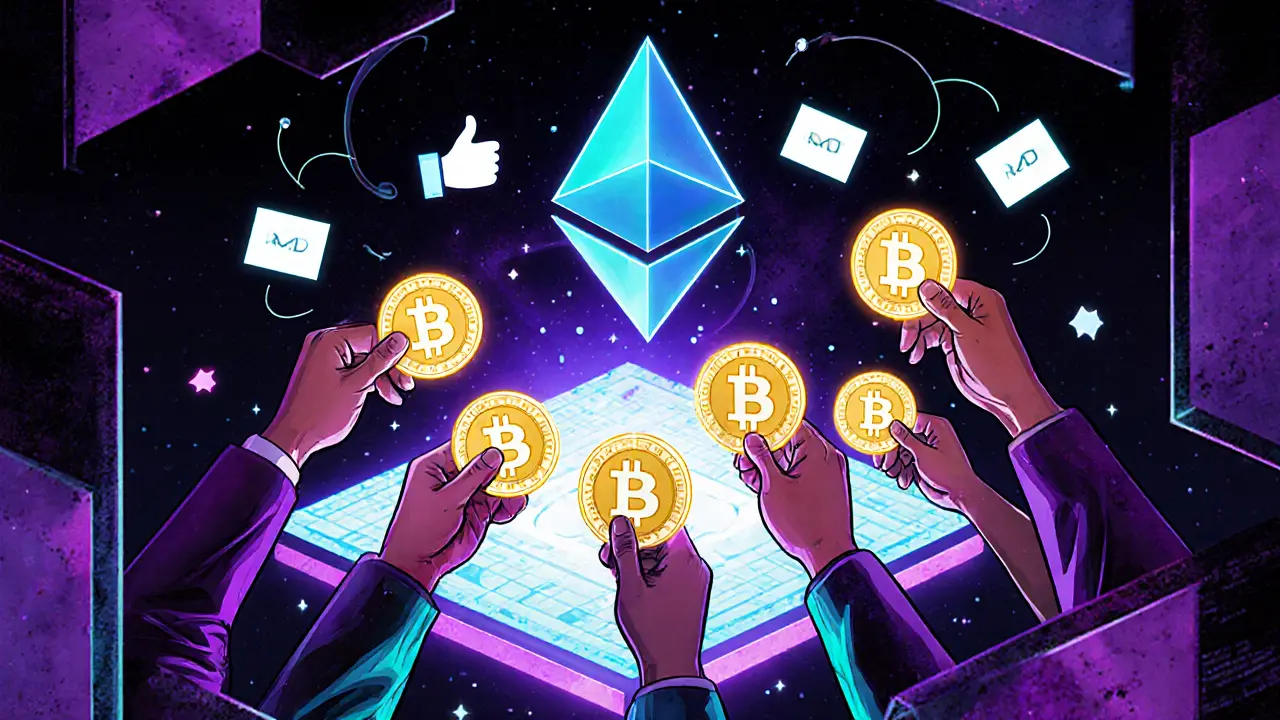
Holding governance tokens gives you real voting power in DeFi and DAOs, letting you influence fees, treasury spending, and protocol upgrades. It aligns your interests with the network’s success and offers rewards beyond price gains.
Continue Reading