Zcash ban 2027: What It Means for Privacy Coins and Users
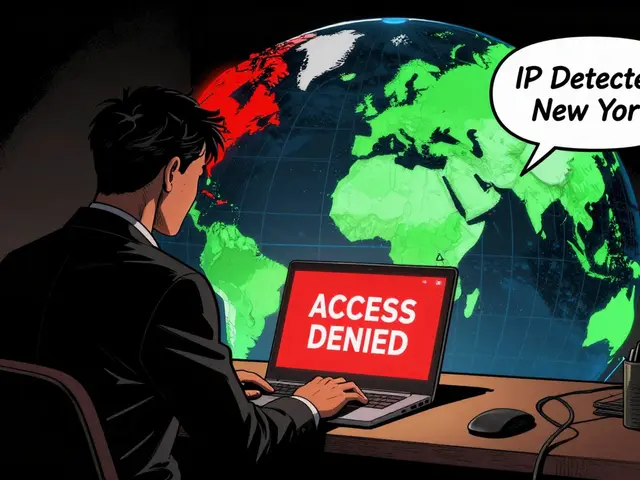
When people talk about a Zcash ban 2027, a potential regulatory action targeting the privacy-focused cryptocurrency Zcash, they're not referring to a law that says "Zcash is illegal." They're talking about a quiet but powerful shift: OECD CARF, the Crypto-Asset Reporting Framework that forces exchanges to share user data across borders. Starting in 2027, India will enforce this system, and countries like the U.S., UK, and EU are following. That means exchanges will have to report every transaction involving privacy coins like Zcash — even if they’re technically legal. The result? No exchange will want to list it. No wallet will want to support it. And users will be pushed out by default.
This isn’t about banning Zcash outright. It’s about making it impossible to use without getting flagged. Crypto tax reporting, the system behind OECD CARF doesn’t care if you’re hiding money from the IRS or just protecting your privacy. It sees Zcash’s shielded transactions as a risk. And in a world where exchanges must choose between compliance or losing access to global banking, compliance wins every time. You’ll still be able to hold Zcash in a personal wallet — but if you try to trade it on Binance, Coinbase, or even a small regional exchange, you’ll hit a wall. The same thing already happened to Monero in some markets. Zcash is next.
What does this mean for you? If you’re using Zcash for privacy, you’ll need to adapt. You can’t rely on exchanges to protect your anonymity anymore. You’ll need to manage your own keys, use non-KYC platforms, or move to other privacy tools — but even those are getting harder to use legally. The real battle isn’t about technology. It’s about whether governments will allow any form of financial secrecy in the digital age. The posts below show you exactly how this plays out: from India’s upcoming rules to how other privacy coins are being squeezed out. You’ll see real examples of tokens that vanished from exchanges, users who got caught, and how scams are exploiting fear around these changes. This isn’t theory. It’s happening now — and Zcash is on the list.

The EU is banning Monero and Zcash by July 2027 under new anti-money laundering rules. Here's what holders need to know about the ban, its impact, and how to prepare before the deadline.
Continue Reading