WELL Airdrop Guide: How to Qualify and Claim Your Tokens
You've probably seen the chatter about the WELL airdrop and are wondering if you're actually eligible or if this is just another piece of crypto noise. In a market where a single wallet address can suddenly be worth thousands of dollars overnight, missing out on a legitimate distribution feels like a cardinal sin. But here is the reality: the line between a life-changing reward and a phishing scam is thinner than ever. To get these tokens, you need to understand exactly how the WELL project handles its distribution and what milestones actually trigger a payout.
What is the WELL Airdrop?
At its core, an Airdrop is a marketing strategy used by blockchain projects to distribute tokens for free to a specific group of users. The WELL Token uses this mechanism not just for hype, but to decentralize its governance and reward those who provided early utility to the network.
Unlike traditional stock dividends, airdrops are often designed to bootstrap liquidity. By putting tokens into the hands of thousands of active users, the project ensures that when the token hits the open market, there is already a broad base of holders. This prevents a few "whales" from controlling the entire price action from day one.
How to Qualify for the WELL Distribution
Projects rarely just hand out tokens to anyone with a wallet. To qualify for the WELL airdrop, you typically need to prove you've added value to the ecosystem. Based on current industry standards for 2026, qualification usually falls into three main buckets:
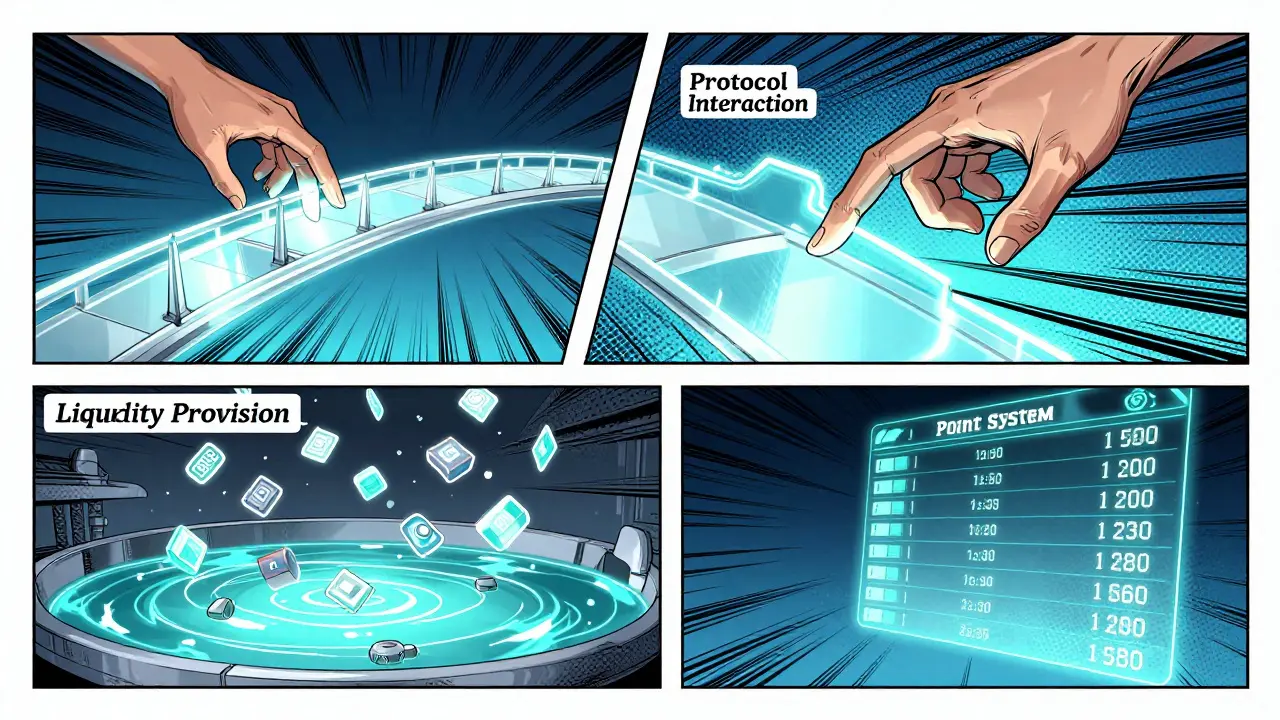
- Protocol Interaction: Using the project's main features, such as bridging assets or swapping tokens on their native DEX.
- Liquidity Provision: Depositing assets into liquidity pools to help other users trade. The more you provide and the longer you keep it there, the higher your tier.
- Community Engagement: Completing specific "quests" or maintaining a certain level of activity in governance votes.
If you are looking at the WELL Token specifically, keep a close eye on their point system. Many modern projects have shifted toward "Point Systems" to avoid sybil attacks (where one person creates 1,000 wallets to game the system). Points act as a transparent leaderboard, letting you know exactly where you stand before the snapshot is taken.
Step-by-Step Guide to Claiming Your Tokens
Once the project announces that the "snapshot" is complete, the claiming process begins. This is the most dangerous part of any airdrop because scammers flood X (Twitter) and Telegram with fake claim links. Follow these steps to stay safe:
- Verify the Official Channel: Only use links from the official project website or their verified social media handles. If a "support agent" DMs you first, it is a scam.
- Connect Your Wallet: Use a secure wallet like MetaMask. Ensure you are on the correct network (e.g., Ethereum, Solana, or a specific Layer 2) to see your balance.
- Check Eligibility: Enter your public wallet address into the official checker tool to see if you qualified and how many tokens you've been allocated.
- Sign the Transaction: When you click "Claim," your wallet will ask you to sign a transaction. This requires a small amount of native gas fees (like ETH or SOL) to process the transfer from the Smart Contract to your wallet.
| Strategy Type | Primary Goal | Typical Requirement | Risk Level |
|---|---|---|---|
| Retroactive | Reward early adopters | Past usage of protocol | Low |
| Point-Based | Stimulate active liquidity | Daily activity/deposits | Medium |
| Task-Based | Rapid user growth | Social media follows/referrals | Low |
Common Pitfalls and How to Avoid Them
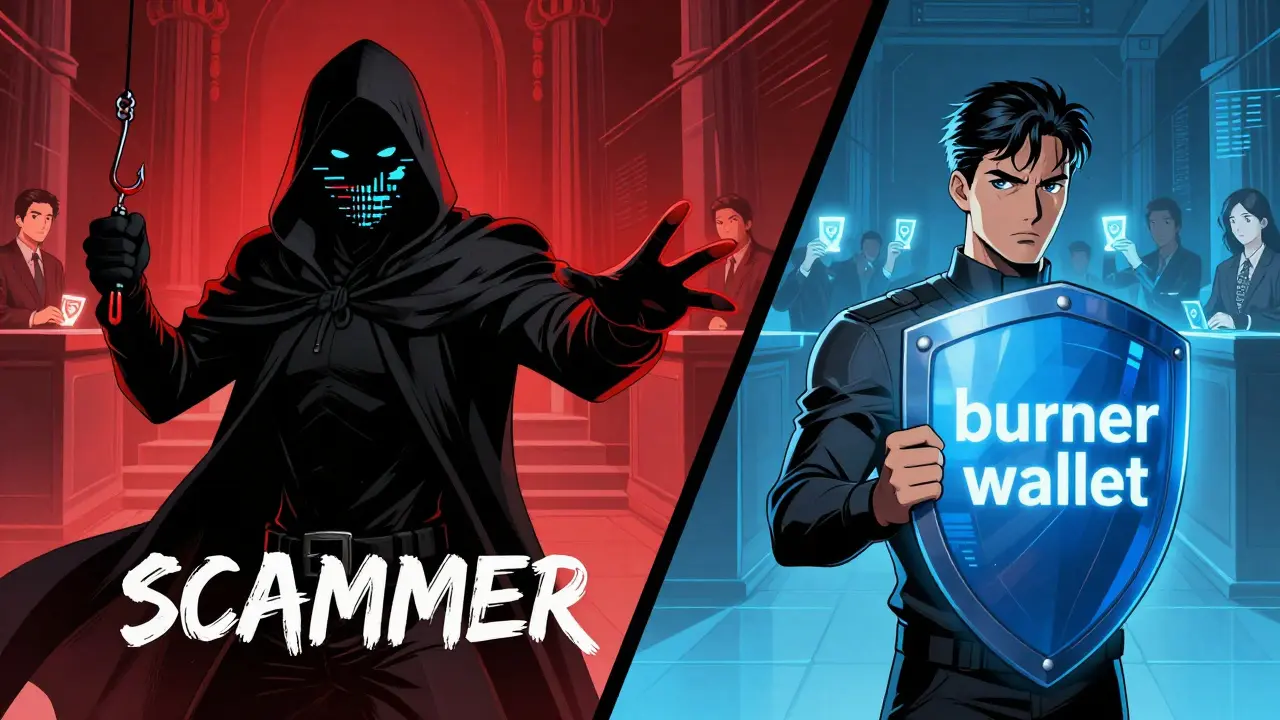
The biggest mistake users make is using their "main" wallet for airdrop hunting. If you connect your wallet to a malicious site and sign a poorly vetted transaction, a hacker can drain every single asset you own in seconds. The professional move is to use a "burner wallet"-a separate account with only enough funds to cover gas fees.
Another trap is the "Urgency Tactic." Scammers will tell you that your tokens expire in 24 hours if you don't claim them. Real projects almost never have such a short window; they usually give users weeks or months to claim their rewards. If a site is pressuring you with a countdown timer, close the tab immediately.
The Role of Governance and Tokenomics
Getting the tokens is only half the battle. The real question is: what do you do with them? The WELL Token likely serves as a governance token. This means holding it gives you the right to vote on the future of the project, such as how the treasury is spent or which new features are implemented.
When analyzing the value of your airdrop, look at the "Fully Diluted Valuation" (FDV). If a project drops tokens worth $100 to you but the total supply is massive and the FDV is unrealistic, the price will likely crash as soon as everyone sells. The most successful airdrops are those where the community decides to hold and stake their tokens rather than dumping them instantly.
Is the WELL airdrop free?
Yes, the tokens themselves are free, but you will need a small amount of cryptocurrency in your wallet to pay for the "gas fees" required to claim them from the blockchain.
What happens if I miss the claim deadline?
Usually, unclaimed tokens are returned to the project's treasury or redistributed to other active users. Once the deadline passes, the smart contract typically closes, and you cannot recover the tokens.
How do I know if a WELL airdrop link is a scam?
Check the URL carefully. Scammers often use typos like "well-airdrop.net" instead of the official domain. Also, any site asking for your seed phrase or private key is 100% a scam; no legitimate project will ever ask for this.
Why do projects do airdrops instead of just selling tokens?
Airdrops create a community of loyal users and distribute ownership. This avoids the centralization of power that happens when a few venture capital firms own most of the supply.
Do I need to KYC to get the WELL airdrop?
Most DeFi airdrops are permissionless and don't require KYC. However, some projects may require a basic identity check to prevent bots from claiming multiple rewards.
Next Steps for Airdrop Hunters
If you've successfully claimed your tokens, your next move depends on your risk appetite. If you're a short-term trader, you might take some profits immediately. If you believe in the project, look into staking options to earn a passive yield on your new assets.
For those who missed the boat on WELL, start looking for other projects in the Layer 2 space. Bridging assets to emerging networks is currently the most reliable way to position yourself for the next big distribution. Just remember: never deposit more than you can afford to lose, and always use a separate wallet for your airdrop activities.
22 Comments
Lisa Camp
April 23 2026Stop waiting around and get your burner wallets ready right now! If you aren't grinding for these points daily you're basically leaving free money on the table and honestly that's just pathetic. Get moving or get left behind!
Tony Gurley-Ward
April 25 2026The cosmic irony of the airdrop is that we're all just digital beachcombers hunting for neon seashells in a sea of code. It's a beautifully absurd dance of greed and hope, isn't it? I find the whole notion of "proving value" to a smart contract to be a delightful piece of performance art for the modern age. Let us embrace the chaos of the snapshot and pray the algorithm smiles upon our humble wallets in this grand simulation we call decentralized finance.
Robert Mosolygo
April 25 2026The insistence that this is a "marketing strategy" is a laughably thin veil for what is clearly a sophisticated liquidity trap. If you actually examine the tokenomics, the FDV is designed to collapse the moment the retail crowd starts claiming. It is painfully obvious that the insiders have already coordinated their exit strategy. Furthermore, the "point system" is nothing more than a psychological tether to keep you from moving your capital to a project that actually possesses a viable product. This entire ecosystem is a house of cards built on the delusions of the uninformed. The only winners here are the venture capitalists who bought in at fractions of a cent. Everything else is just noise designed to distract you from the inevitable rug pull. I have seen this pattern a dozen times before. Wake up and look at the flow of funds on the explorer. The concentration of supply is far too high for any real decentralization to occur. This isn't a reward; it is a harvest.
Greg Reynolds
April 25 2026Actually, the claim that point systems prevent sybil attacks is largely incorrect. Anyone with a basic understanding of script automation knows that creating a few thousand wallets is trivial. The project isn't preventing bots; they are just filtering for the most dedicated bots.
Sarah Fisher
April 26 2026I think there's a middle ground here. While the risks are real, the chance to participate in early governance is a valuable experience for anyone learning the ropes of Web3.
Doc Coyle
April 27 2026It's just common sense to use a burner wallet. People who don't do this simply don't care about their own security.
Jason M
April 28 2026Absolutely spot on about the burner wallets! I cannot stress enough how life-saving this habit is for new users. Please, for the love of everything, do not connect your main vault to any claim site until you've triple-checked the URL! Your hard-earned assets are too precious to lose to a simple typo!
Liz Ariza
April 30 2026Such a helpful guide! ✨ Using a burner wallet is definitely the way to go to keep your peace of mind 🌈 Keep shining and stay safe out there everyone! 🚀
Ali Tate
April 30 2026imagine actually needing a guide for this basically childs play for anyone with half a brain in this country honestly just bridge the funds and stop whining
praveen subbiah
May 1 2026The sheer scale of this distribution is a testament to the global reach of blockchain! It is a magnificent opportunity for us all to see the world shift toward a new financial era! Simply breathtaking!
jill huyo-a
May 2 2026I'm curious about the bridging part. For someone who's never done it, are there specific networks that are generally safer for these kinds of activities?
Hannah Rubia
May 4 2026To address the query regarding network safety, I would humbly suggest beginning with well-established Layer 2 solutions such as Arbitrum or Optimism, as they possess robust infrastructure and significant community oversight.
Jennifer Taylor
May 4 2026This is all just a way for the government to track your wallet. They want you to claim so they can link your identity to your coins. Don't fall for the trap.
Benjamin Forg
May 5 2026government tracking lol you're thinking too small its all about the institutional puppet masters controlling the flow of liquidity through fake airdrops to lure the sheep in
Mike Krasner
May 5 2026lol imagine believing in
Mike Krasner
May 6 2026lol imagine believing in airdrops actually being free everything has a price especially your time spent clicking buttons for some random token
Kathleen Bergin
May 6 2026Everyone knows you just have to hold the tokens for a while before selling if you want to make money.
Larry Yang
May 7 2026the sheer audacity of suggestsing that holding is a viable strategy in a hyper-inflationary token model is quaint. basic arithmetic suggests the dump is inevitable and only a complete amateur would wait for the peak that never comes. honestly just sell on the first minute and move on.
Alex Wan
May 8 2026My dear friend, let us not be too harsh on those who are new to this space! It is a complex world indeed, and we should all strive to help one another navigate these turbulance waters with grace and patience. I believe we can all find a way to profit whilst remaining kind!
Alex Hunter
May 8 2026I agree with the sentiment of helping others. If you're confused about the gas fees, just remember that they're a network cost, not a fee paid to the project. It's a common point of confusion for beginners.
Yvette P
May 10 2026Oh look, another "guide" telling us to use burner wallets as if we're all just basic toddlers in the DeFi space. While your little tips are cute, let's talk about the actual algorithmic impact of these distributions on the liquidity depth of the order books. If you're not analyzing the slippage and the delta between the spot and futures price, you're basically just gambling with digital coupons. The sheer inefficiency of these airdrop events creates a temporary arbitrage window that most of you are too slow to exploit because you're too busy "checking official channels." Please, let's elevate the discourse beyond "don't click bad links" and actually discuss the quantitative mechanics of token velocity and its correlation with long-term price stability in a fragmented L2 landscape.
debashish sahu
May 11 2026The perspective provided here is quite comprehensive and helpful for those of us observing the trends from India.