What is EverETH Reflect (EVERETH)? Risks, Mechanics, and Reality Check
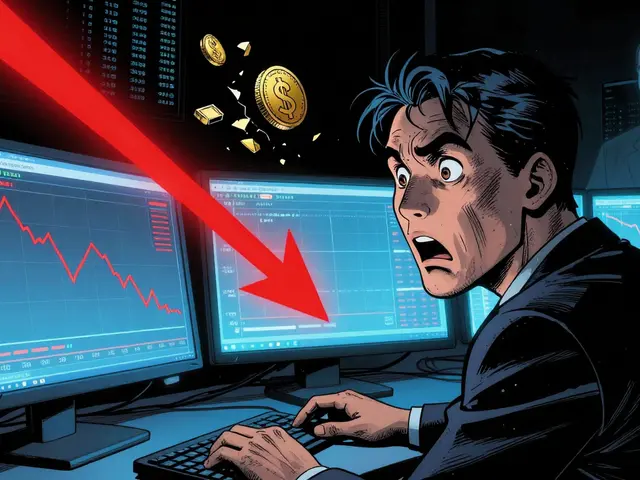
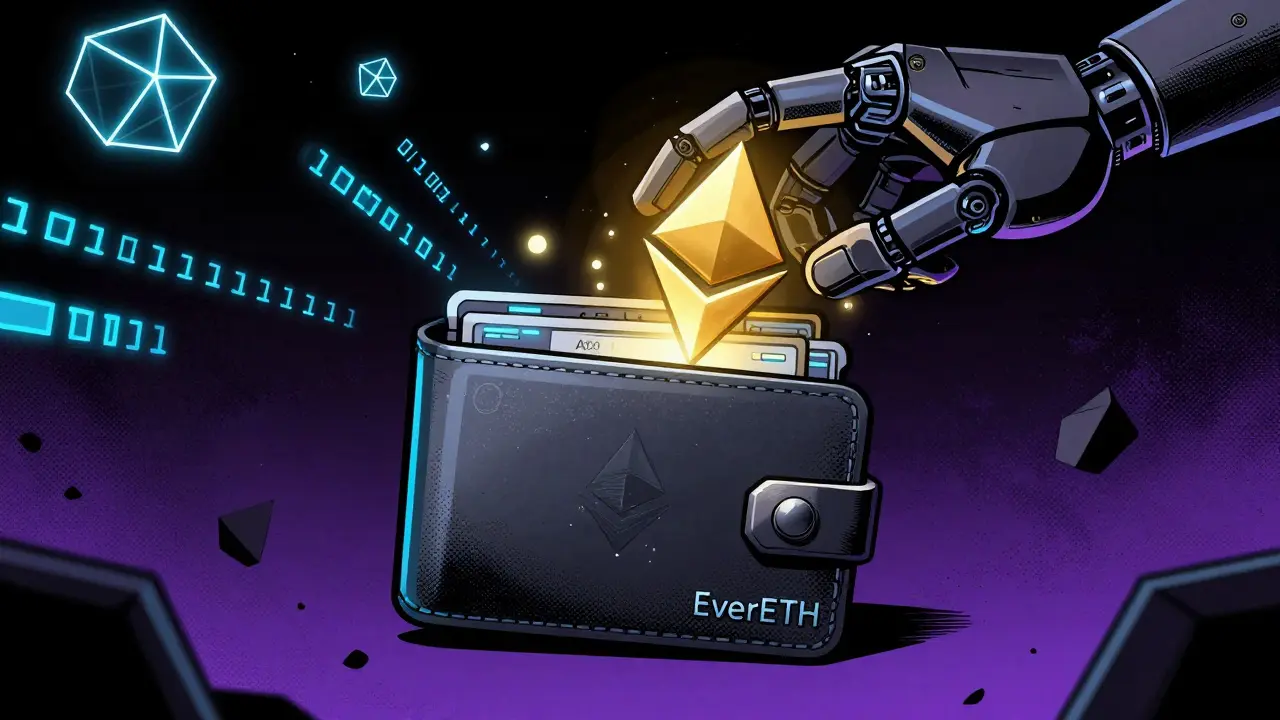
Imagine a coin that promises to pay you in Ethereum just for holding it. Sounds too good to be true? That is exactly the pitch behind EverETH Reflect. Launched on the Binance Smart Chain in August 2021, this token claims to be the world’s first protocol that distributes ETH rewards automatically to holders. But when you look past the marketing buzzwords, the reality looks very different. The data shows a project with zero active users, no distributed rewards, and a price that has crashed nearly every year since its launch.
If you are wondering whether EverETH Reflect is a legitimate investment or a digital ghost town, you need to understand how it works-and more importantly, why it isn’t working as advertised. This guide breaks down the mechanics, the hidden costs, and the hard numbers so you can make an informed decision without losing your savings.
How the Reflection Mechanism Is Supposed to Work
To understand EverETH Reflect's core promise, you have to look at the concept of "reflection" tokens. In simple terms, these are cryptocurrencies designed to reward passive holders. When someone buys or sells the token, a portion of the transaction fee is taken and redistributed to existing wallet holders. Most reflection tokens distribute their own native currency back to users. For example, if you hold Token A, you get more Token A when others trade it.
EverETH Reflect tries to do something different. It claims to take fees from trades and convert them into Ethereum (ETH), which is then sent directly to your wallet. Theoretically, this means you earn a major cryptocurrency like ETH without having to buy it directly. According to the project’s documentation, this happens automatically. You don’t need to stake your coins or click any buttons. Just hold the token, and the magic should happen.
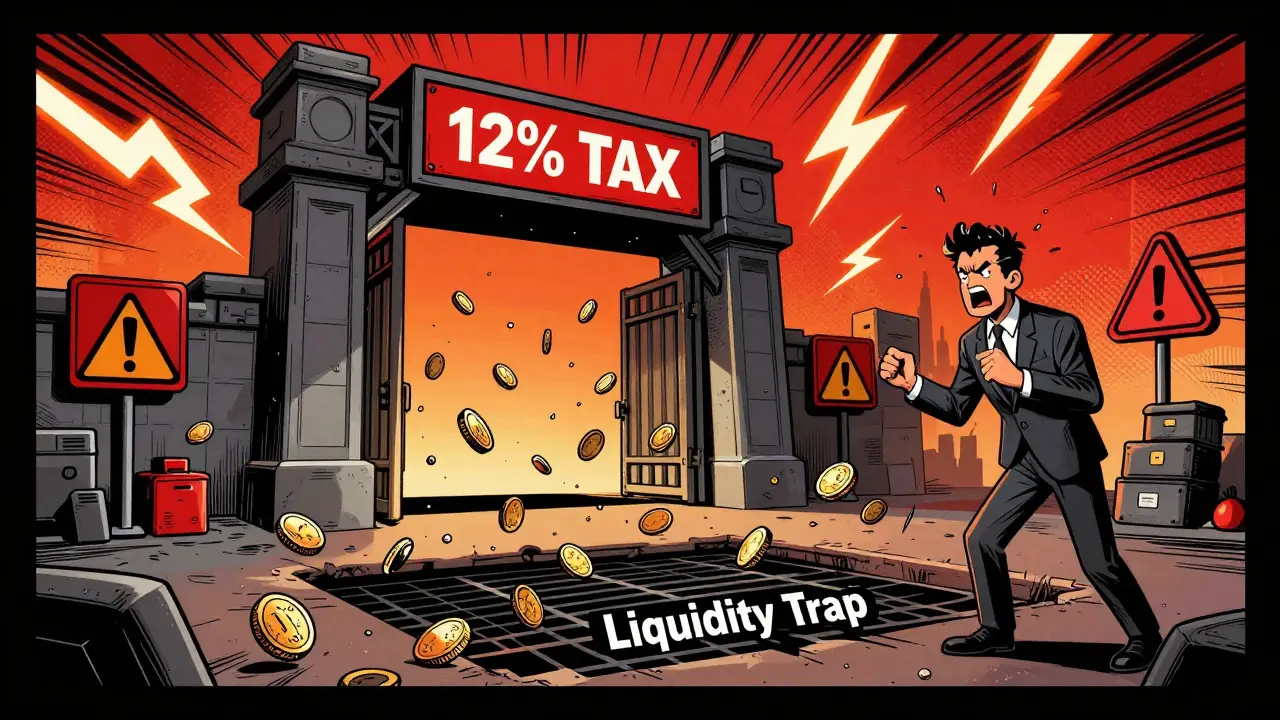
However, there is a catch. To fund these ETH rewards, the token imposes a heavy tax on every transaction. Every time you buy, sell, or swap EVERETH, you lose a chunk of your money instantly. This high-tax model is common in speculative "meme" or "dividend" coins, but it creates significant friction for traders who want to exit their positions.
The Hidden Cost: Transaction Taxes and Slippage
Let’s talk about the numbers. If you decide to trade EVERETH, you will face a total transaction tax of 12%. Here is how that 12% is broken down according to the official website:
- 10% goes toward the Ethereum Rewards pool (supposedly).
- 1% adds to the liquidity pool.
- 1% is allocated for ecosystem development.
This might not sound like much until you realize how it affects your actual trades. Because of this 12% tax, you cannot simply set a standard slippage tolerance on decentralized exchanges like PancakeSwap. If you try to buy or sell with a default 1% or 5% slippage setting, your transaction will fail. The protocol requires you to manually set your slippage tolerance between 12% and 15%.
Why does this matter? High slippage settings mean you accept receiving fewer tokens than expected when buying, or selling for less than the displayed price. In volatile markets, this can lead to unexpected losses. Furthermore, because the token operates on the Binance Smart Chain (BSC), you also need to pay gas fees in BNB. For small investments, these gas fees can sometimes exceed the value of the tokens you are trying to move.
| Feature | EverETH Reflect (EVERETH) | Standard Low-Cap Token |
|---|---|---|
| Buy/Sell Tax | 12% | 0% - 5% |
| Required Slippage | 12-15% | 1-3% |
| Reward Currency | Ethereum (ETH) [Claimed] | Native Token or None |
| Network | Binance Smart Chain | Varies (ETH, BSC, Solana) |
The Reality Check: Zero Users and Zero Rewards
Here is where the story takes a sharp turn. While the mechanism sounds plausible on paper, the real-world performance tells a different story. If you visit the official dashboard at evereth.net/reflect, you will see two critical metrics that raise serious red flags:
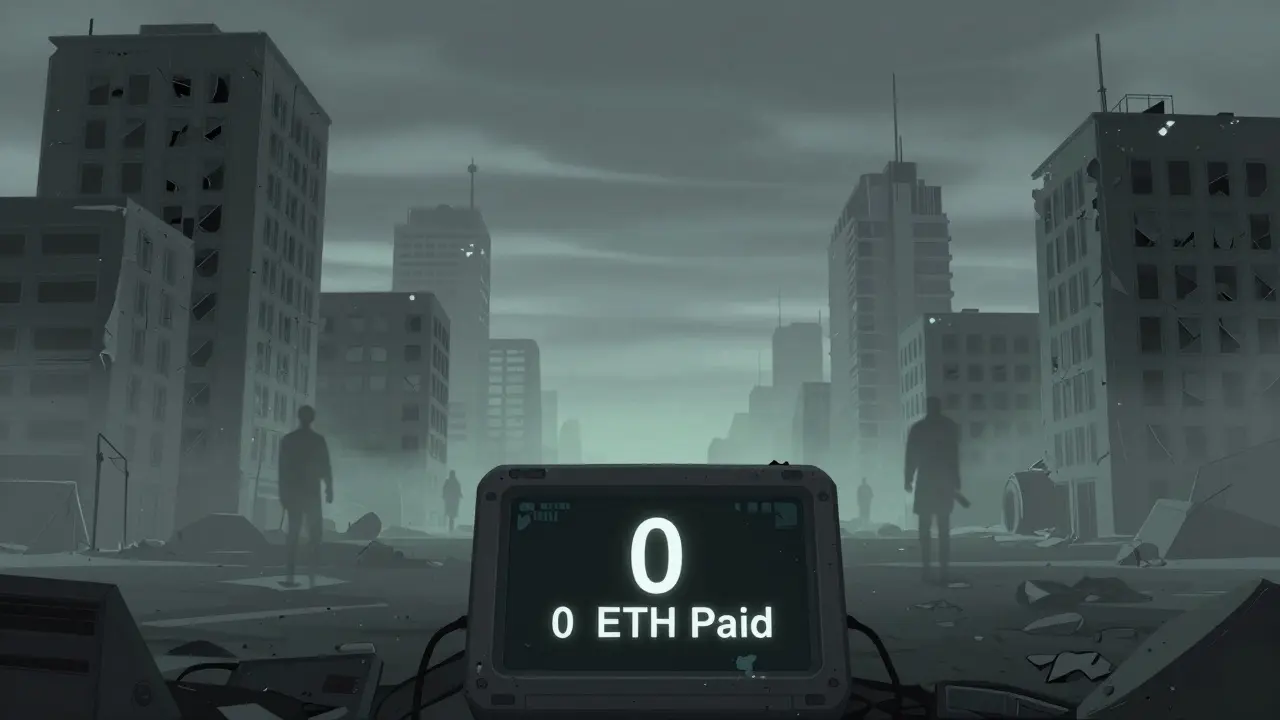
- Total Ethereum Paid: 0.0000
- Total Users: 0
Yes, you read that correctly. Despite launching in 2021 and claiming to be operational, the platform reports that it has paid out absolutely zero Ethereum to anyone. There are no recorded users actively participating in the reward system. This suggests that either the smart contract is broken, the reward distribution function has never been triggered, or the project is entirely dormant.
Compare this to established reflection tokens like SafeMoon or BabyDoge. Those projects, despite their own controversies, have massive communities, transparent transaction histories, and verifiable reward distributions. EverETH Reflect lacks all of these. The absence of a public team, lack of social media presence, and zero activity on the dashboard indicate that this is likely a "zombie" project-one that was launched, abandoned, and left to decay.
Market Performance and Liquidity Traps
Even if you ignore the lack of rewards, the financial metrics for EVERETH are concerning. As of mid-2026, the token trades at a microscopic price point-often less than one ten-millionth of a cent. With a market capitalization hovering around $880,000 and a 24-hour trading volume of roughly $2,600, the token suffers from extreme illiquidity.
Low liquidity is dangerous for investors. It means there are not enough buyers and sellers in the market. If you try to sell a large amount of EVERETH, you could crash the price significantly, or worse, find no buyers at all. This is known as a liquidity trap. Combined with the 12% tax, exiting your position becomes incredibly expensive and difficult.
Price prediction algorithms from various financial platforms consistently forecast further declines. Analysts note that tokens with such low volumes and no fundamental utility rarely recover. The broader cryptocurrency market has seen a shift away from high-tax, low-utility reflection tokens following regulatory scrutiny and investor fatigue after the 2022 crypto winter.
Security Risks and Anonymity
One of the biggest risks with anonymous teams is the potential for malicious code. While we cannot definitively say the EverETH contract is a "honeypot" (a scam that prevents selling), the lack of transparency makes verification impossible. Legitimate projects usually undergo third-party audits by firms like CertiK or Hacken. EverETH Reflect has no publicly available audit reports.
Additionally, the SEC and other global regulators have increased scrutiny on tokens that promise returns based on the efforts of others, often classifying them as unregistered securities. Holding such assets carries legal risk, especially if the project turns out to be fraudulent. Without a known entity to hold accountable, investors have little recourse if things go wrong.
Is EverETH Reflect Worth Your Time?
Based on the available data, the answer is a strong no. The combination of zero distributed rewards, zero active users, high transaction taxes, and extreme illiquidity makes EverETH Reflect a poor choice for any investor. It fails to deliver on its primary promise of generating ETH income. Instead, it acts as a parking spot for capital that slowly loses value due to market decline and transaction fees.
If you are interested in earning yield on your crypto holdings, consider safer alternatives. Staking established assets like Ethereum or Bitcoin through reputable platforms offers predictable returns with lower risk. Or explore decentralized finance (DeFi) protocols that have transparent track records, active development teams, and audited smart contracts. Avoiding obscure, high-tax tokens with no history of payouts is one of the best ways to protect your portfolio in today’s market.
Does EverETH Reflect actually pay out Ethereum?
No. According to the project's own dashboard, the total amount of Ethereum paid out is 0.0000. There is no evidence that the reward mechanism has ever functioned as intended.
Who created EverETH Reflect?
The team behind EverETH Reflect is anonymous. There is no publicly disclosed information about the founders, developers, or corporate entity associated with the project.
Why do I need to set high slippage to trade EVERETH?
You must set slippage between 12% and 15% because the token charges a 12% transaction tax on every trade. Standard slippage settings will cause transactions to fail.
Is EverETH Reflect a scam?
While it may not be a traditional "honeypot" that prevents selling, it exhibits many characteristics of a failed or abandoned project. With zero rewards paid and zero users, it poses a high risk of total loss of capital.
Where can I buy EverETH Reflect?
It primarily trades on PancakeSwap (v2) using the Binance Smart Chain network. You will need a BSC-compatible wallet like MetaMask and BNB for gas fees.