Blockchain Anti-Piracy Solutions: How Smart Contracts and Watermarking Stop Leaks in 2026
Imagine spending months filming a documentary or coding a new software release, only to have it appear on a torrent site hours after you send the first preview copy. For years, content creators have relied on Digital Rights Management (DRM) systems that act like digital handcuffs-restrictive, frustrating for legitimate users, and often easy to break. But as of mid-2026, the game is changing. Blockchain anti-piracy solutions are moving from niche experiments to essential tools for protecting intellectual property.
These systems don't just lock files down; they create an unbreakable chain of evidence. By combining immutable ledgers with forensic watermarking and smart contracts, creators can now trace leaks back to the exact person who shared them within minutes. It’s not about stopping someone from taking a screenshot-it’s about making sure that if they do, their identity is revealed instantly.
The Core Problem with Traditional DRM
Traditional DRM has always been a cat-and-mouse game. You encrypt a file, the pirate finds a way to decrypt it, you patch the hole, and they find another. The biggest flaw? Centralization. If a hacker breaches the central server where keys are stored, every protected file becomes vulnerable. Plus, traditional systems treat all users as suspects, which annoys paying customers.
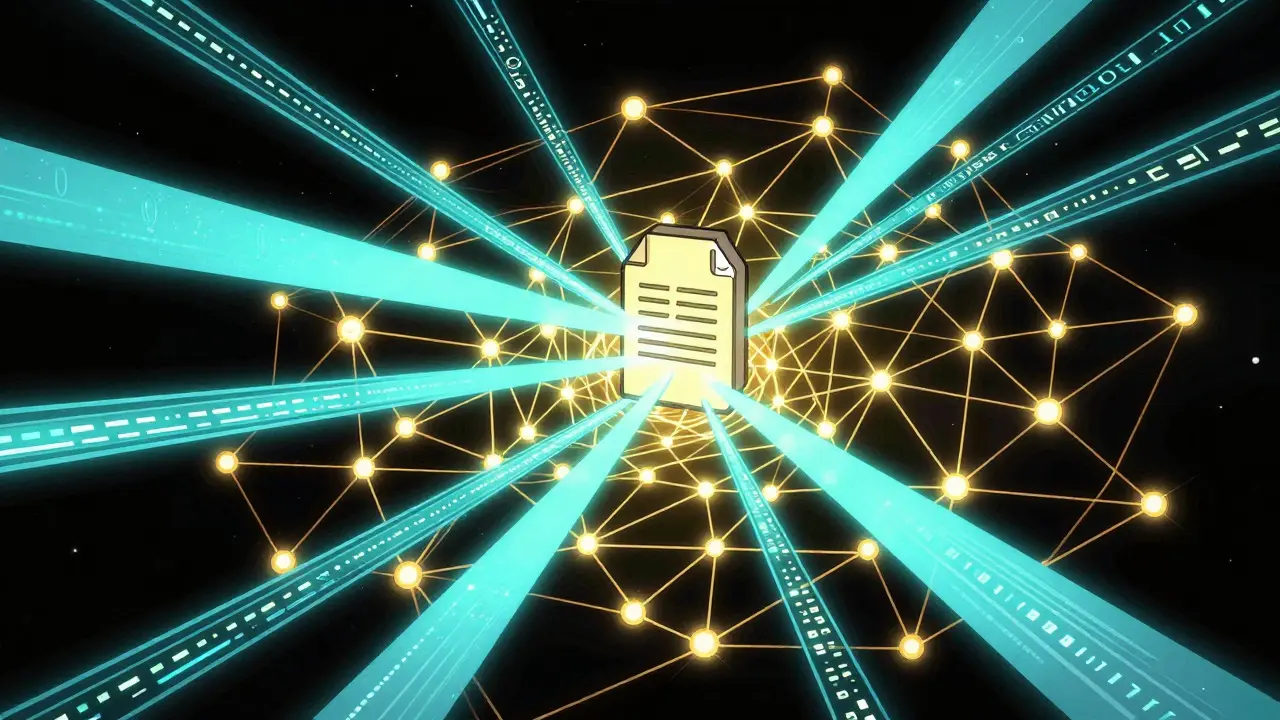
Blockchain technology changes this dynamic by removing the single point of failure. Instead of one company holding the master key, ownership records are distributed across a network of computers. This decentralization means that once a piece of content is registered on the blockchain, its history cannot be altered or deleted. It creates a "single source of truth" for who owns what and when it was created.
However, blockchain alone isn't magic. As fintech expert Viktor Prokopenya noted in 2022, blockchain is primarily a ledger for establishing ownership. It doesn't physically stop a user from screen-recording a movie. That’s why modern solutions combine the ledger with other technologies like watermarking and automated incentives.
How Blockchain Anti-Piracy Actually Works
To understand how these systems protect your work, you need to look at the three pillars that make up most effective architectures today:
- Cryptographic Hashing: When you upload a file, the system generates a unique digital fingerprint (hash). This hash is stored on the blockchain. If anyone alters even a single pixel or byte of the file, the hash changes, proving the file has been tampered with.
- Forensic Watermarking: Unlike visible logos, forensic watermarks are invisible data embedded deep within the audio or video stream. In advanced systems like those used by Custos Media Technologies, each copy sent to a specific reviewer contains a unique watermark tied to their identity.
- Smart Contracts & Bounties: This is where it gets interesting. Some systems embed a hidden Bitcoin private key inside the watermark. If a pirated copy surfaces online, anyone can use a free tool to claim the bounty associated with that key. The moment they claim it, the transaction appears on the public blockchain, alerting the owner and revealing exactly which recipient leaked the file.
This turns piracy detection into a global effort. Instead of hiring an internal team to scan the web for leaks, the entire internet becomes your monitoring force. Custos reported that by August 2019, over 500,000 movies were protected using this method, showing that the model scales well beyond small pilots.
Key Players and Technologies in 2026
The ecosystem has grown significantly since the early days of startups like Custos. Today, there are specialized tools for different types of media and different stages of the piracy lifecycle.
| Platform Name | Primary Function | Target Audience | Key Mechanism |
|---|---|---|---|
| Custos Media | Leak Traceability | Film Studios, Distributors | Forensic Watermarking + Bitcoin Bounties |
| Argus | Community Reporting | General Content Owners | Smart Contract Incentives for Whistleblowers |
| MediaChain / Po.et | Timestamped Proof | Artists, Writers | Immutable Registration of Creation Date |
| Audius / Revelator | Smart Licensing | Musicians, Video Creators | Automated Royalty Distribution via Smart Contracts |
| DRPChain | Image Protection | Photographers, Stock Agencies | Perceptual Hashing + Blockchain Logging |
Custos Media remains the gold standard for film distribution. Their "Screener Copy" product allows studios to send review copies to critics and festivals with near-zero risk. If a screener leaks, the studio knows exactly which critic or festival member uploaded it. The latency from leak to identification is often measured in minutes, not weeks.
Argus, developed by Microsoft researchers, takes a different approach. It focuses on open reporting. By using smart contracts to reward people who submit verifiable evidence of piracy, it creates a market-driven surveillance system. This is particularly useful for software companies or authors who don’t have the resources to build their own watermarking infrastructure.
For visual artists, DRPChain offers a specialized solution. It integrates perceptual hashing-which identifies images even if they are cropped or color-adjusted-with blockchain logging. This addresses a major gap in traditional watermarking, which often fails against aggressive image editing.
Implementing These Solutions: What You Need to Know
If you’re a creator or a business owner looking to adopt these tools, the barrier to entry has lowered considerably. You no longer need to run your own blockchain nodes or hire a team of cryptographers.
Most commercial providers offer API-driven services. For example, integrating Custos’ technology might take a few weeks for a development team to embed into your existing video delivery platform. Once set up, the workflow is simple: upload the file, generate the unique watermarked copies, and distribute them. The monitoring happens automatically in the background.
For smaller creators, platforms like Po.et or MediaChain provide simpler interfaces. You can register your work by uploading the file, and the platform handles the timestamping and hashing. This gives you legal proof of existence and authorship, which is crucial for takedown notices and copyright litigation.
However, implementation does require some technical understanding. You need to decide whether you want proactive prevention (like encryption) or reactive detection (like watermarking). Most experts recommend a hybrid approach. Use basic DRM to deter casual copying, and use blockchain-based watermarking to catch intentional leaks.
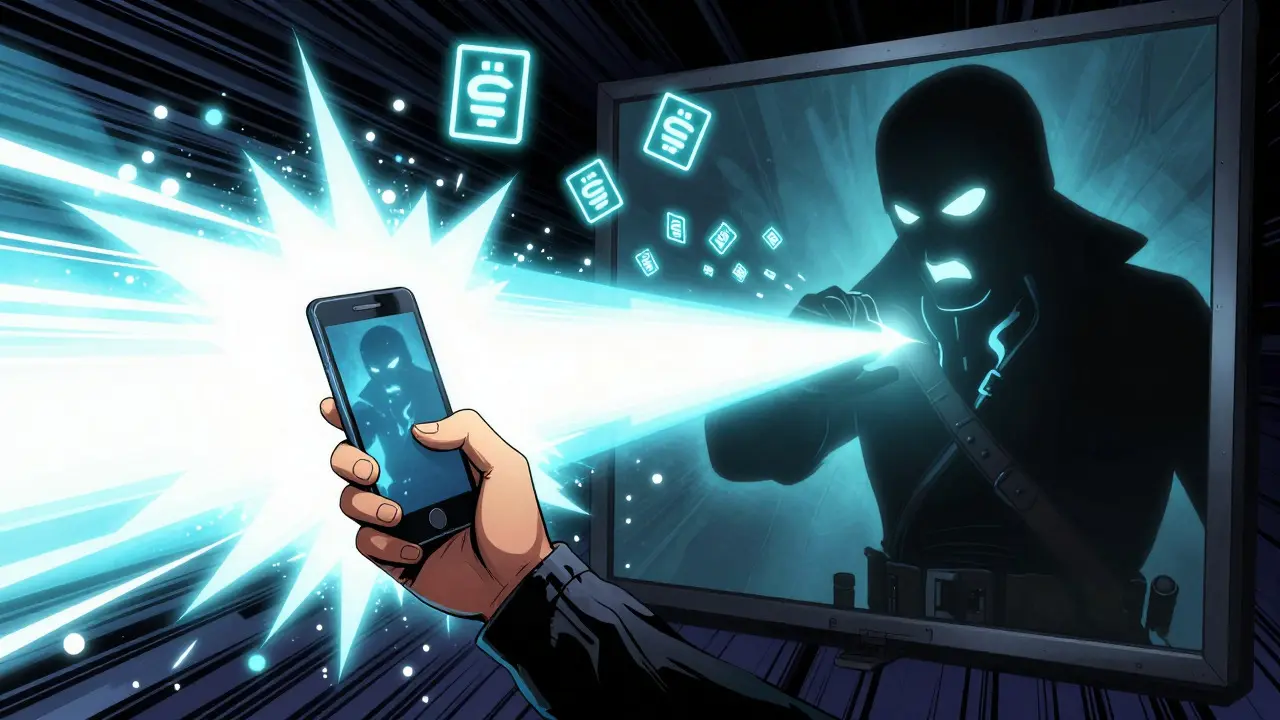
Limitations and Realistic Expectations
It’s important to keep expectations grounded. Blockchain anti-piracy solutions are powerful, but they are not silver bullets. Here are the hard truths:
- No Prevention of Copying: As long as a human can view or listen to content, they can record it. Blockchain proves who leaked it, but it doesn’t stop the initial recording.
- Dependence on Off-Chain Enforcement: Identifying a pirate is step one. Step two is getting the content removed from the hosting site. Step three is legal action. Blockchain speeds up step one, but steps two and three still rely on traditional legal frameworks and platform cooperation.
- Cost vs. Value: For a low-budget indie film, the cost of implementing enterprise-grade watermarking might outweigh potential losses. These solutions make the most financial sense for high-value assets where a single leak could cost millions.
- Technical Complexity: While APIs simplify integration, managing the underlying keys and understanding the smart contract logic requires expertise. A mistake in configuration could render the protection useless.
Experts like Viktor Prokopenya remind us that blockchain is an infrastructure layer, not a standalone weapon. It works best when combined with strong legal teams and responsive platform policies.
The Future of Digital Rights Management
As we move through 2026, the trend is clear: fragmentation is giving way to integration. We are seeing more platforms that combine registration, licensing, and enforcement into single dashboards. Academic research, such as the scalable DRM prototypes discussed in recent CBS reports, is pushing for higher transaction throughput, making these systems viable for massive libraries of content.
We are also likely to see tighter integration with AI. Imagine a system that uses AI to detect pirated content across social media platforms and automatically triggers a smart contract to issue a takedown notice, all while logging the event on the blockchain for legal evidence. This automation will drastically reduce the administrative burden on rights holders.
For now, the technology is mature enough for serious adoption. If you are distributing valuable digital assets, ignoring blockchain-based protection is becoming a risky gamble. The question is no longer if these tools will become standard, but how quickly you can integrate them into your workflow.
Can blockchain completely stop piracy?
No, blockchain cannot physically prevent someone from copying or recording content. Its primary strength lies in detection, attribution, and providing legal proof of ownership. It makes piracy riskier and easier to trace, which acts as a deterrent, but it does not eliminate the act of copying itself.
What is the difference between DRM and blockchain anti-piracy?
Traditional DRM focuses on restricting access and usage through encryption and license checks, often controlled by a central authority. Blockchain anti-piracy focuses on creating an immutable, decentralized record of ownership and provenance. It often complements DRM by adding a layer of transparent verification and automated incentive structures for reporting leaks.
Is blockchain anti-piracy suitable for individual creators?
Yes, especially for high-value work. Platforms like Po.et and MediaChain offer accessible ways for individual artists and writers to timestamp their creations, establishing undeniable proof of authorship. For video producers, services like Custos may be more expensive but offer robust protection for screener distributions.
How does forensic watermarking work with blockchain?
Forensic watermarking embeds unique, invisible data into each copy of a file. In blockchain-integrated systems, this data often links to a specific recipient's identity or a cryptographic key stored on the ledger. If the file leaks, the watermark can be extracted to identify the source, and the blockchain provides an unalterable record of that identification.
What is the role of smart contracts in anti-piracy?
Smart contracts automate processes based on predefined conditions. In anti-piracy, they can automatically pay bounties to whistleblowers who report leaks, enforce royalty payments when licensed content is accessed, or trigger takedown requests when unauthorized distribution is detected. This removes manual intervention and speeds up response times.