How to Spot and Avoid Rug Pulls: A Complete Due Diligence Guide
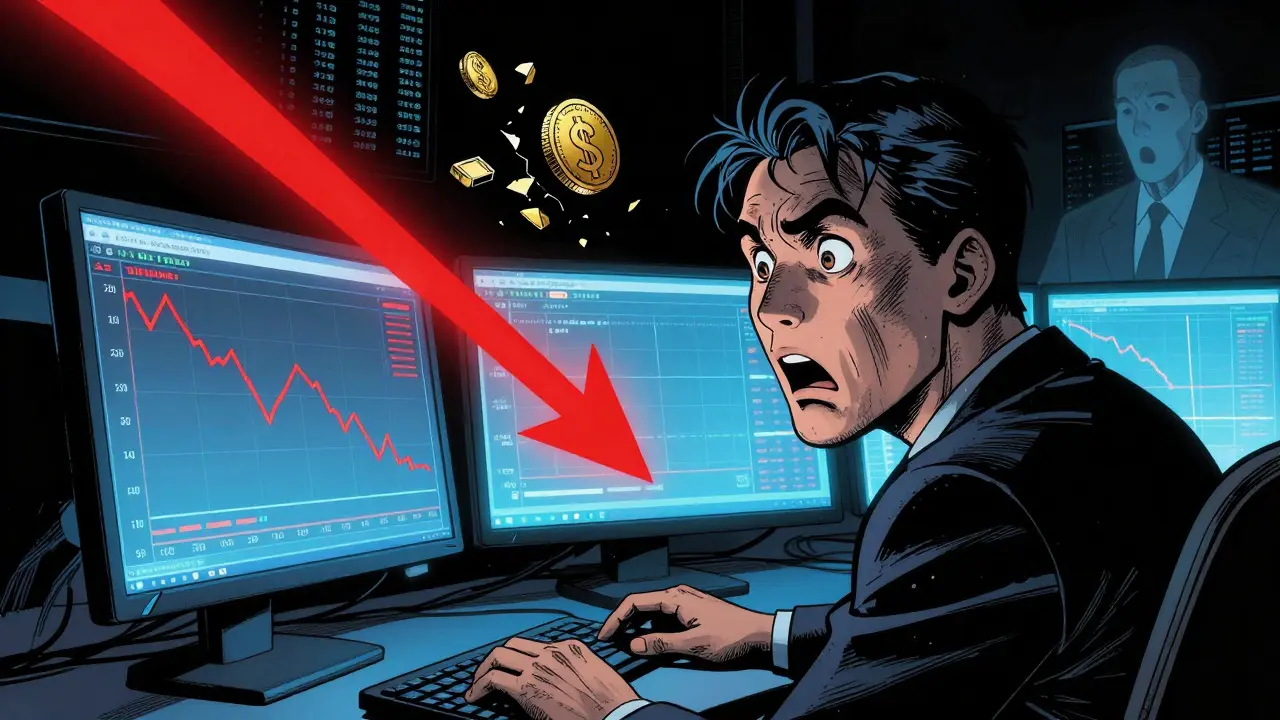
Imagine waking up to find your portfolio has plummeted 99% overnight. You try to sell your tokens, but the "sell" button doesn't work. You check the project's Twitter and Telegram, only to find the accounts deleted and the developers gone. You've just been hit by a rug pull. In the wild west of Decentralized Finance is a blockchain-based form of finance that does not rely on central intermediaries, creating open and transparent financial instruments, also known as DeFi), these scams aren't just rare accidents-they are calculated traps designed to drain your wallet. If you're hunting for the next big gem, you need a system to separate legitimate projects from sophisticated traps.
The Quick Safety Check
- Team: Are they doxxed (identities public) or anonymous?
- Liquidity: Is the liquidity locked in a time-lock contract?
- Audit: Has a reputable firm like CertiK or Trail of Bits reviewed the code?
- Tokenomics: Do the developers own more than 20% of the supply?
- Hype: Is the marketing focused on technology or "going to the moon"?
What Exactly is a Rug Pull?
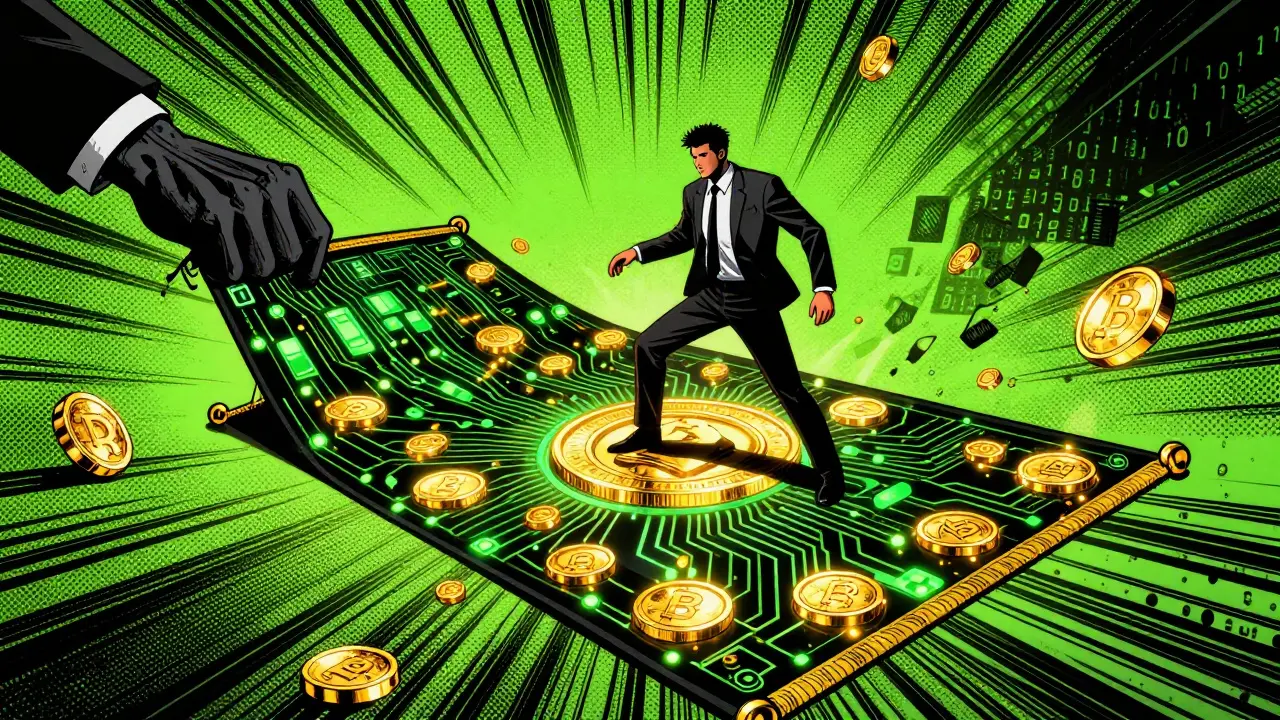
A rug pull is a malicious scam where developers launch a token, pump up its price by attracting investors, and then suddenly vanish with all the funds. Unlike a Ponzi scheme, which slowly pays old investors with new money to keep the illusion alive, a rug pull is a sudden exit. It's the digital equivalent of pulling a rug out from under your feet; one moment you're standing on a promising investment, and the next, you're hitting the floor.
These scams usually happen in three ways. The most common is liquidity theft. Developers create a pair (like NewToken/Ethereum) on a Decentralized Exchange is a peer-to-peer marketplace where users trade cryptocurrencies directly without a central authority, often called DEX). As people trade their valuable ETH for the new token, the liquidity pool grows. Once it's fat enough, the developers pull all the ETH out, leaving you with tokens that have no buyers and zero value.
Then there are the "honeypots." This is where the Smart Contract is a self-executing contract with the terms of the agreement directly written into lines of code allows you to buy the token but contains a malicious function that prevents you from selling. You see the price going up on the chart, but you can't actually realize those gains. Finally, there's the "soft rug," where the team doesn't vanish instantly but slowly dumps their massive holdings on the community, bleeding the project dry over several weeks.
Critical Red Flags to Watch For
Scammers are good at making things look professional. A polished website and a flashy logo don't mean a project is safe. You have to look at the plumbing-the technical and economic structure of the project.
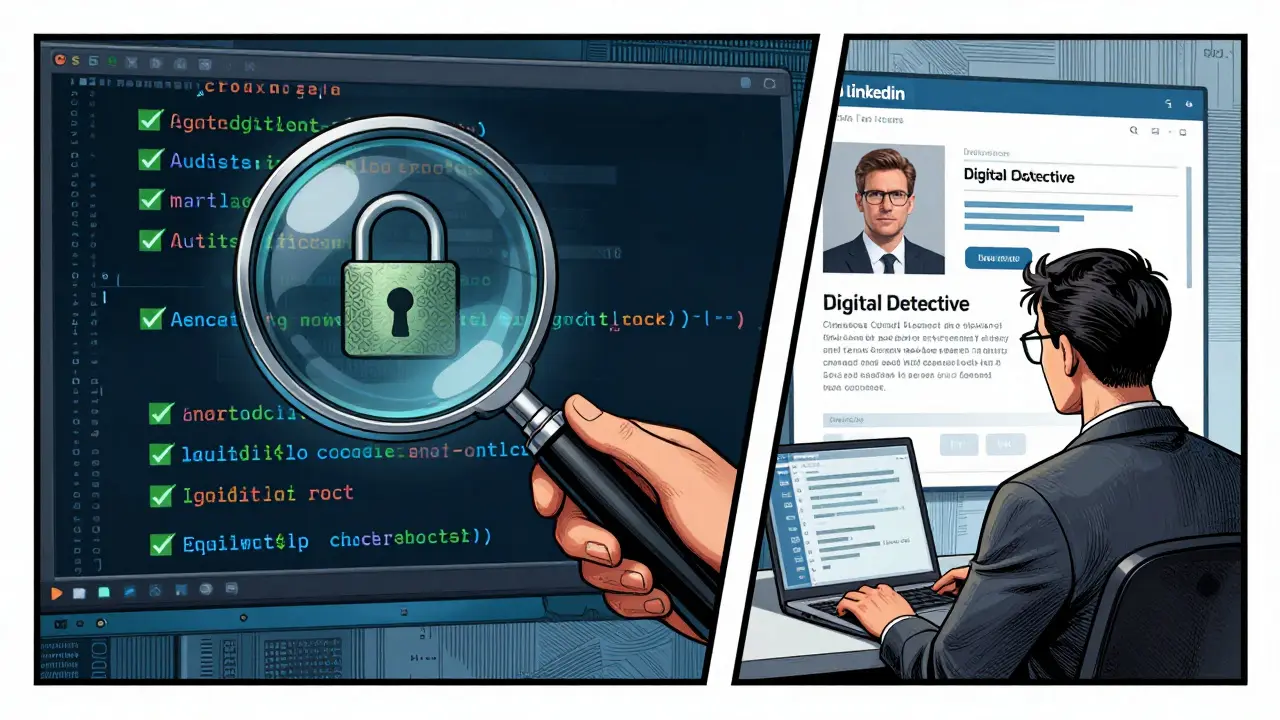
Anonymous Teams: If the founders are "Anon," the risk skyrockets. While some legitimate projects value privacy, it's much harder to hold an anonymous person accountable. If you can't find a LinkedIn profile or a verifiable track record for the lead devs, be extremely cautious.
The Absence of Liquidity Locks: This is the biggest tell. In a legitimate project, developers lock the liquidity in a third-party contract for a set period (e.g., 12 months). This proves they can't just withdraw the funds and run. If there is no lock, the developers can drain the pool in one transaction.
Skewed Tokenomics: Check the "holders" tab on the blockchain explorer. If a few wallets hold 50% or more of the supply, they have total control over the price. A single sell order from a whale developer can crash the token value instantly.
| Feature | Red Flag (High Risk) | Green Flag (Low Risk) |
|---|---|---|
| Team Identity | Anonymous/Fake avatars | Doxxed with LinkedIn history |
| Liquidity | Unlocked / Low liquidity | Locked for 1+ year via contract |
| Contract Code | Unverified or non-audited | Audit by CertiK, ConsenSys, etc. |
| Marketing | Aggressive FOMO / "Moon" talk | Technical roadmap / Utility focus |
| Token Distribution | Devs hold >30% of supply | Fair launch / Vesting schedules |
The Step-by-Step Due Diligence Process
Don't let excitement drive your investment. Follow a disciplined checklist every single time you look at a new asset. If a project fails even one of these checks, it's usually better to walk away.
- Audit the Audit: Don't just look for a "Certified" badge on a website. Go to the auditor's official site and verify the report. Look for "Critical" or "High" severity issues that were left unfixed. A real Security Audit is a professional review of a smart contract's code to identify vulnerabilities and potential exploits. If the report says the team can mint unlimited new tokens, that's a deal-breaker.
- Read the Whitepaper: Is it a technical document explaining how the project solves a problem, or is it just a marketing brochure filled with buzzwords? If it doesn't explain the actual mechanism of the project, it's likely a fake.
- Check GitHub Activity: Legitimate projects have a GitHub repository with regular commits from multiple developers. If the code hasn't been updated in months, or if the entire codebase was copy-pasted from another project, the team is likely just waiting for a pump to exit.
- Analyze the Community: Join the Discord or Telegram. Are people asking technical questions about the project? Or is the chat just a wall of "LFG!" and rocket emojis? A community built purely on hype is a breeding ground for rug pulls.
- Verify the Lock: Use tools like Team Finance or Unicrypt to check if the liquidity is actually locked and for how long. A 2-week lock is meaningless; look for a year or more.
Advanced Tools and Safety Layers
Manual research is great, but the blockchain moves fast. You can use automated tools to add an extra layer of protection. One of the most effective is the Forta Firewall is an on-chain transaction screening layer that detects real-time threats and prevents malicious activity. This tool helps you detect suspicious activities associated with rug pulls before you even execute a transaction.
Additionally, sticking to established platforms like Binance or Coinbase provides a basic safety net. While these exchanges aren't perfect, they perform a level of vetting before listing a token. If a token is only available on a sketchy DEX and is being promoted by a random "influencer" on TikTok, the risk is significantly higher.
Managing the Psychology of the Trade
The most dangerous part of any investment isn't the code-it's your own brain. Scammers rely on FOMO (Fear Of Missing Out). They create a sense of urgency, telling you the project is about to "explode" and that you need to get in now. This is a manipulation tactic designed to make you skip your due diligence.
Set hard rules for yourself. For example: "I will never invest in a project without a 12-month liquidity lock" or "I will never buy a token from an anonymous team." When you have a system, you remove the emotion from the decision. If a deal looks too good to be true-like guaranteed 10% daily returns-it is almost certainly a scam.
Can a project be audited and still be a rug pull?
Yes. An audit checks for bugs and vulnerabilities in the code, but it doesn't check the intentions of the humans running the project. A developer can have a perfectly secure contract but still decide to sell all their tokens and abandon the project. This is why you must combine audits with team verification and tokenomics analysis.
What is the difference between a rug pull and a pump and dump?
In a pump and dump, the price is artificially inflated by a group of people who then sell their holdings. The project might actually exist, but the price movement is manipulated. In a rug pull, the developers often steal the underlying liquidity or use a "backdoor" in the code to steal funds, leaving the investors with something that is functionally impossible to trade.
How do I know if liquidity is actually locked?
Look for a link to a liquidity locker like Unicrypt, PinkSale, or Team Finance in the project's documentation. You can verify the transaction on the blockchain explorer (like Etherscan) to see if the funds were sent to a time-lock contract. If the developers just "say" it's locked without providing a contract address, assume it isn't.
Are all anonymous teams scams?
Not all, but the risk is much higher. Bitcoin's creator, Satoshi Nakamoto, is anonymous, but that's a rare case. For modern DeFi projects, anonymity allows developers to steal funds and disappear without any real-world legal consequences. If you invest in an anon team, you are essentially trusting them with your money without any collateral.
What should I do if I suspect a project is about to rug?
If you notice a sudden drop in liquidity, the developers stopping communication in the main chat, or a massive sell-off from team wallets, the safest move is to exit your position immediately. In crypto, it is better to be wrong and miss a gain than to be right and lose everything.
Next Steps for Safe Investing
If you're a beginner, start by only using established exchanges. As you get more comfortable, start using a separate "hot wallet" for experimental DeFi projects-never keep your entire life savings in a wallet that interacts with unverified smart contracts.
For those moving into more advanced trading, make it a habit to spend at least two hours on due diligence for every $100 you intend to invest. Use a standardized spreadsheet to track your checks. If you find a project that checks every single box-doxxed team, 1-year lock, clean audit, and active GitHub-you've found something far more valuable than a hype-coin: a legitimate opportunity.

22 Comments
Jessie Tayaban
April 15 2026Omg this is literalley what happened to me last month!! 😭 I throught I found a gem and then BAM... gone. The aurticle is so right about the FOMO part, I just rushd in without checking the lock and it was a total disaster!!
Samson Selleck
April 15 2026The discourse around liquidity provision is fundamentally flawed if you don't account for the asymptotic risk of slippage during a panic exit. Most retail investors lack the quantitative literacy to understand that a 'lock' is merely a temporal deterrent, not a systemic guarantee of solvency. The asymmetry of information in these DEX environments ensures that the sophisticated actor will always front-run the novice using MEV bots, regardless of whether the team is doxxed or not. It's a zero-sum game where the lack of regulatory oversight creates a perverse incentive for malicious contract deployment. Truly a masterclass in financial nihilism.
daniella davis
April 17 2026Um, obviously everyone knows about honeypots already. Like, why is this even a guide? Just use a basic scanner and you're done. I can't believe people still fall for this stuff in 2024, it's actually embarrassing for the community lol. The whitepaper part is just basic common sense, not some secret hack 🙄
Emily H
April 17 2026It would be prudent to also consider the validity of the audit firm itself. Not all auditing entities maintain the same rigorous standards, and some provide a superficial review rather than a comprehensive security analysis. One should always cross-reference the auditor's reputation within the broader blockchain security community to ensure the certification carries genuine weight.
EDOZIEM MICHAEL
April 19 2026money is just energy flowing through digital veins and the rug is just a lesson in detachment
Tyler Webb
April 20 2026I've been there, it really hurts to lose that much money. Just take it slow and be kind to yourself while you learn :)
Alan Seiden
April 22 2026Absolute rubbish. This 'guide' is just a list of things that any halfway decent trader already knows. Only an American would think this is groundbreaking insight. The whole DeFi sector is a circus run by clowns and this post just adds to the noise.
william manes
April 23 2026Follow the rules or lose it all! 📉 Simple as that. Stop being lazy! 🇺🇸💪
Jason Davis
April 25 2026I've seen so many peeple ignore the GitHub part. Seriously, if there's no code being pushed, its just a ghost town. Most people just look at the website and get fooled by the pretty colors.
Will Dixon
April 26 2026just be careful guys. dont put in more than u can lause
Amanda Faust
April 27 2026the 'audit the audit' part is the only thing that actually matters here
Lela Singh
April 28 2026Stay sharp! Use those tools! 🚀
Suzanne Robitaille
April 30 2026It's fascinating how our desire for quick wealth blinds us to the obvious signs of deception. We are chasing phantoms in a digital void, hoping the rug doesn't disappear. There is a certain poetic tragedy to the way we trust anonymous code more than our own intuition.
Lane Montgomery
May 2 2026Which wallet you using?
Terrance Hausmann
May 2 2026I totally agree that the psychology of the trade is the most difficult part to master because we are wired to seek patterns and rewards, but if we just take a breath and stick to a checklist, we can all survive this volatility together and grow our portfolios safely over time without the stress of waking up to a zero balance.
Swati Sharma
May 2 2026The synergy between a locked liquidity pool and a transparent vesting schedule is the gold standard for reducing the risk of a soft rug. When we align the incentives of the developers with the long-term health of the ecosystem, we create a sustainable value proposition that transcends mere speculative hype.
Artavius Edmond
May 3 2026Pretty chill guide, thanks for sharing!
Rebecca Violette
May 4 2026my wallet is literally empty cuz of this stuff... i cant even pay my rent now... why does this keep happening to me?? its so unfair that scammers get away with it while we suffer
Prasanna Shembekar
May 4 2026so sad man we all suffer together
Agnessa Dale
May 6 2026Keep learning! Every mistake is just a step toward success.
Stanly Hayes
May 7 2026Listen, if you're not using the tools mentioned here, you're basically begging to be scammed! Get it together or get out of the market!
logan bates
May 8 2026Whatever, as long as the US keeps leading the tech, we'll eventually flush out all these international scammers anyway.