State Control of Crypto Mining in Venezuela: Regulations, Risks, and Reality
State Control of Crypto Mining in Venezuela
In March 2026, the question isn't whether you can mine cryptocurrency in Venezuela, but whether the government lets you keep what you dig up. The country has created one of the world's most aggressive legal frameworks for digital assets, yet the operational reality remains a confusing mix of strict mandates and systemic paralysis. For investors and miners looking at the region, understanding this gap between legislation and enforcement is the difference between a profitable venture and a frozen asset.
Venezuela pioneered state-backed cryptocurrency when President Nicolás Maduro launched the Petro was a state-backed digital currency backed by oil reserves. in 2017. However, the modern regulatory environment took shape later, designed to bring private mining operations under direct national oversight. The primary goal remains consistent: harness the country's subsidized energy resources for digital asset production while preventing capital flight. If you operate a farm here, you aren't just competing with other miners; you are navigating a system where the rules change as often as the grid voltage fluctuates.
The Regulatory Framework: SUNACRIP and the Decrees
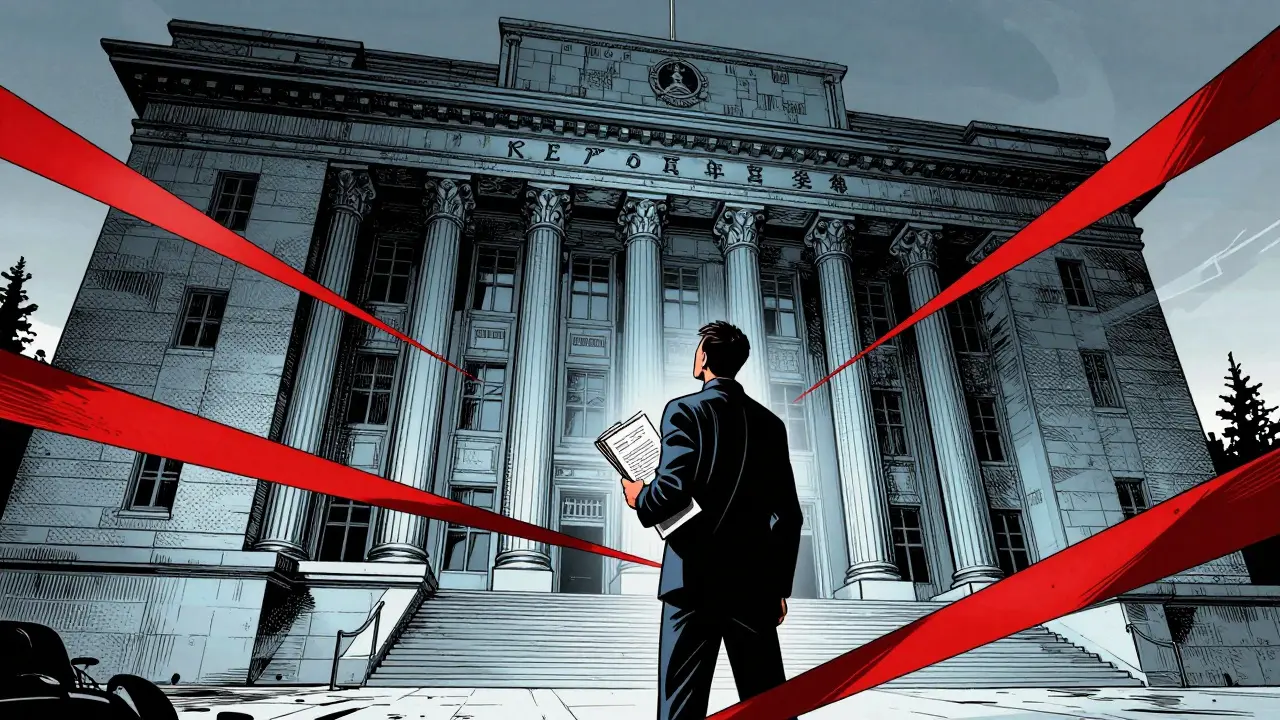
At the center of this web stands SUNACRIP, or the National Superintendence of Cryptocurrencies. Established formally in 2019 via Presidential Decree No. 4,170, SUNACRIP replaced the earlier superintendency to tighten control over the sector. Its mandate covers everything from creating virtual currencies to managing exchanges. On paper, the agency provides legitimacy. It allows miners to legally operate without fear of immediate police raids, unlike the black market days of 2023.
However, the agency has faced significant internal friction. Reports indicate that since March 2023, SUNACRIP experienced operational paralysis due to corruption probes involving the oil industry and the head of the crypto ministry. By early 2024, it was reorganized with private sector involvement through CAVEMCRIP, yet the bureaucratic inertia persists. The foundational document governing these activities is the Cryptoassets Constituent Decree. This decree empowers the National Executive to regulate the full lifecycle of cryptoassets. While the law exists, the machinery enforcing it frequently stalls, creating a gray area where compliance is theoretically mandatory but practically difficult to achieve.
To operate legally, you must enroll in specific registries managed by the government. There are two primary buckets:
- The Comprehensive Registry of Cryptoactive Services (RISEC): Used by service providers.
- The Comprehensive Registry of Miners (RIM): Specifically for hardware operators.
Obtaining this license is not instantaneous. Documentation requires proof of electrical capacity, typically minimums of 500kW, alongside rigorous identity verification. The approval process currently sits around 90 to 120 days. During this waiting period, your capital sits idle, a critical factor given the volatile local economy.
Operational Mechanics: The National Mining Pool Mandate
One of the most restrictive aspects of the Venezuelan model is the requirement to join the National Mining Pool (NMP). Private independent pools are effectively illegal for licensed operations. The NMP is tasked with distributing mining rewards, acting as a gatekeeper that ensures the state retains visibility-and potentially a cut-of the transaction flow.
The technical limitations of this centralized approach are well-documented. Independent miners reported connectivity issues and inconsistent reward distribution prior to the grid instability crisis. Efficiency dropped by an estimated 15-20% compared to global benchmarks. For a miner relying on tight margins, this efficiency loss is catastrophic. Furthermore, the mandate means your revenue flows through a state-controlled pipeline, exposing it to potential administrative delays or policy shifts.
| Requirement | Venezuela Standard | Global Average |
|---|---|---|
| Licensing Time | 90-120 Days | Immediate to 30 Days |
| Mining Pool | Mandatory (National) | Open Market Choice |
| Electricity Cost | $0.03/kWh | $0.08-$0.12/kWh |
| Grid Stability | Low (Generators Required) | High (99.9% Uptime) |
Despite the heavy hand of control, the economics of power remain attractive. Electricity costs average $0.03 per kilowatt-hour, significantly lower than the global average of $0.08 to $0.12. This subsidy theoretically offers a competitive advantage. However, the cost-benefit analysis must include the "hidden tax" of infrastructure failure and the risk of forced shutdowns.
Contradictions: Banned, Then Legalized Again
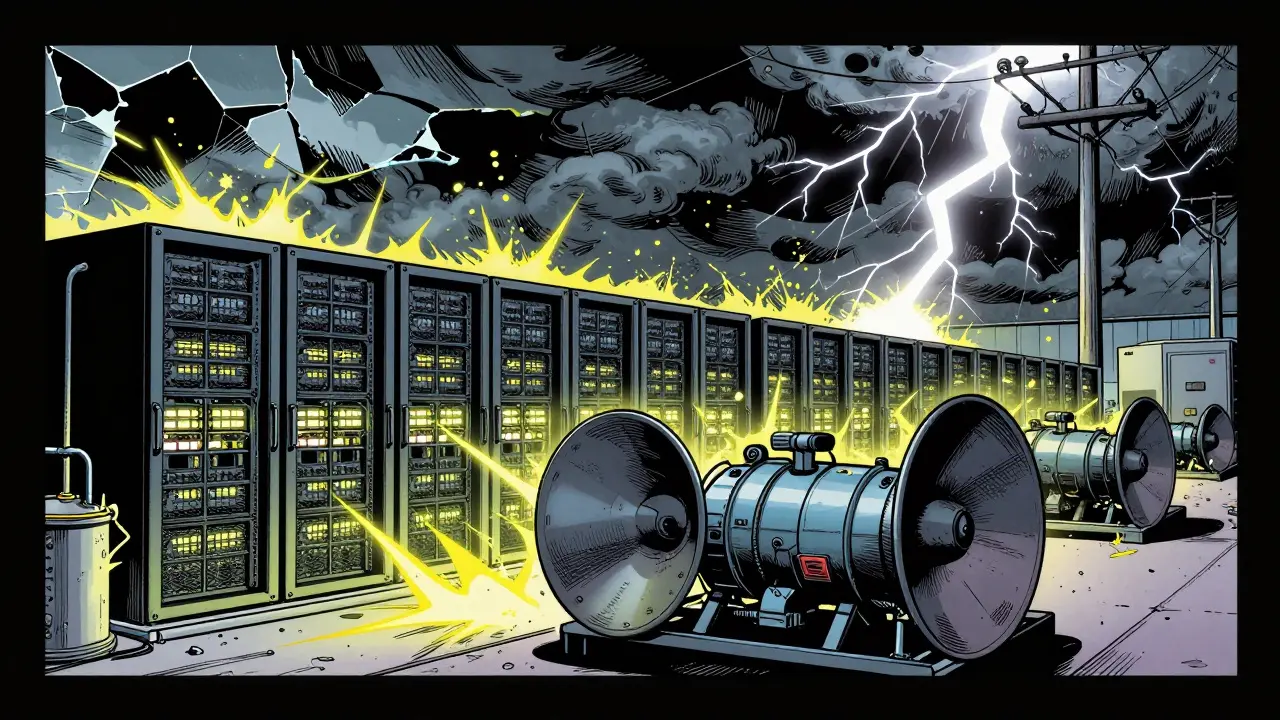
The narrative of Venezuelan crypto mining is defined by contradiction. In May 2024, official channels reported a ban on crypto mining citing excessive energy consumption. This followed a corruption probe that had already forced hundreds of facilities to close the previous year. Yet, reports from late 2025 suggest that over 500 licensed mining centers were still operating, contributing roughly 4% to the national GDP. How do you reconcile a ban with active licenses?
The answer lies in the distinction between unauthorized and authorized operations. The government targets unlicensed farms first. Licensed entities in RIM or RISEC enjoy protection, albeit limited. Analysts characterize the environment as "chaotic." OneSafe, a prominent industry watchdog, noted that the gap between legalized mining and regulator dysfunction creates extreme uncertainty. If you are in compliance, you are safe. If the definition of compliance changes overnight because the regulator pauses again, you are vulnerable.
Infrastructure Challenges and Backup Costs
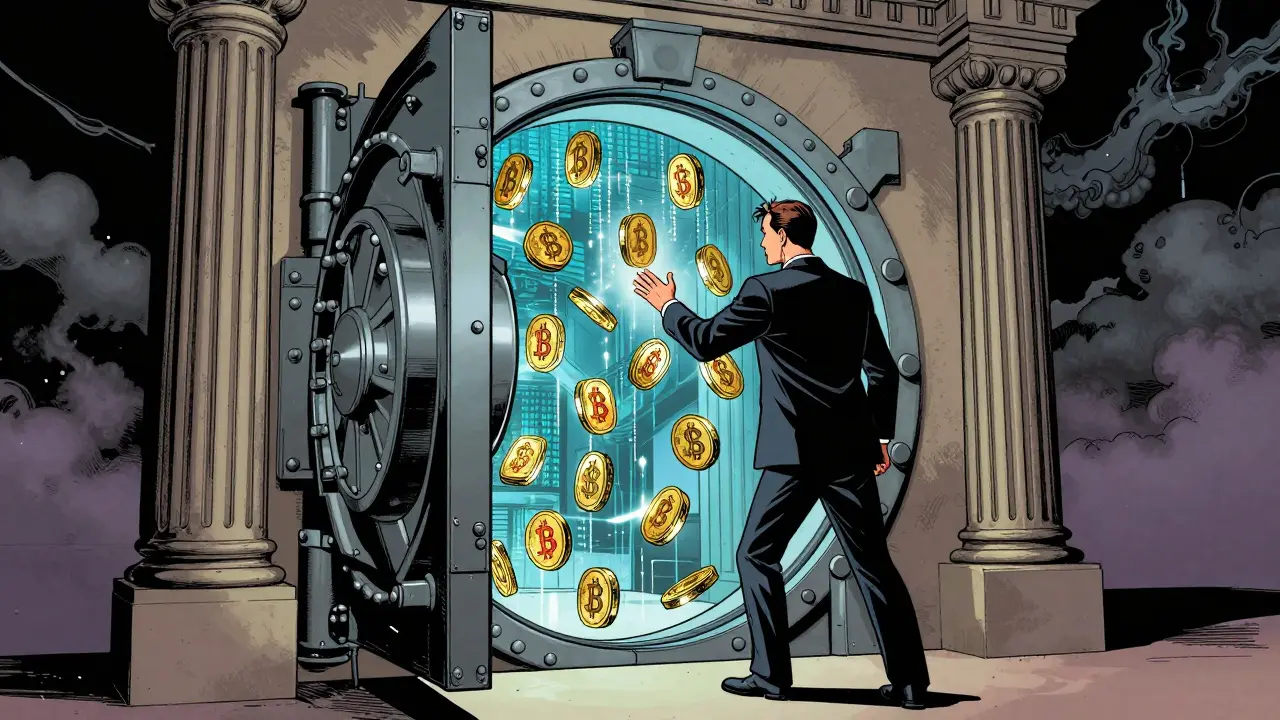
You cannot separate crypto mining in Venezuela from the physical reality of its power grid. Despite abundant hydroelectric resources, the grid is unreliable. In 2023, miners reported monthly outages totaling 40 to 60 hours. This forces almost every serious operation to invest in backup diesel generators.
This necessity increases the overhead significantly. Operational costs rose by approximately 25% for miners maintaining standby power. Fuel prices and availability for these generators add another layer of volatility. Furthermore, the grid itself imposes strain. Government data indicates licensed mining centers accounted for about 10% of total electricity usage by 2025. This high profile makes the sector a target during national crises. When residential demand spikes or energy deficits occur, mining facilities are among the first to be deprioritized.
The combination of cheap energy and expensive reliability creates a narrow corridor for profitability. You save money on the bill, but you spend more on generators and maintenance. The net result is that while Venezuela offers the theoretical cheapest energy globally, the Total Cost of Ownership (TCO) often narrows the margin when factoring in fuel and downtime.
Banking Integration and Future Outlook
Looking toward late 2025 and early 2026, the government pushed for deeper financial integration. The Conexus initiative manages a vast portion of electronic transfers and aimed to have banks custodying Bitcoin and stablecoins by December 2025. This would allow customers to buy or hold assets directly within traditional banking apps.
As we settle into 2026, the progress on banking integration varies. Some institutions have begun testing blockchain-based interbank networks, but widespread adoption is hindered by the very regulatory paralysis affecting the rest of the sector. The International Monetary Fund and regional partners view these moves with skepticism, noting that without political stability, banking licenses for crypto could face sudden revocation.
Investment flows tell a mixed story. In 2024, startups like El Dorado and Yeet secured millions in funding, suggesting international belief in the long-term potential of the local ecosystem. Yet, political instability remains a massive dampener. Following the July 2024 elections, public anger grew, and international sanctions persisted. The International Criminal Court investigations against security forces further complicate foreign investment.
The consensus among analysts suggests little legislative change until the administration stabilizes. Until then, miners operate with one eye on the regulator and the other on the news cycle. Blockchain transactions continue to rise, growing 35% year-over-year in 2024, proving that despite the hurdles, the technology serves the people's need for currency preservation against hyperinflation.
Is crypto mining legal in Venezuela?
Yes, cryptocurrency mining is legal, provided the operator obtains a license from SUNACRIP and registers with the Comprehensive Registry of Miners (RIM). Unlicensed operations are subject to closure and penalties.
Do I need to use a specific mining pool?
Licensed mines are required to utilize the state-mandated National Mining Pool (NMP). Private pools are generally not permitted for operations holding RIM licenses.
What is the average cost of electricity for miners?
Subsidized electricity averages $0.03 per kWh, though actual costs may increase due to mandatory backup generator usage caused by frequent grid outages.
How long does it take to get a mining license?
The approval process for SUNACRIP licensing typically takes between 90 to 120 days due to extensive documentation requirements including electrical capacity proof.
Can banks handle Bitcoin in Venezuela?
Plans introduced in 2024 allowed banks to offer Bitcoin services starting late 2025, aiming to integrate blockchain custody with the Conexus payment network.




14 Comments
Tony Phillips
March 28 2026The regulatory uncertainty here makes me wonder if the risk is worth the reward for most people.
Florence Pardo
March 29 2026The operational reality described here matches what insiders report locally.
Most operators seem to face massive downtime every single month without fail.
Backup generators become a necessity rather than an option for survival.
Fuel costs fluctuate wildly which eats into any potential profits immediately.
The bureaucracy involved with getting a license takes way too much time.
Waiting ninety days or more just to start processing data is inefficient.
Many investors probably do not realize the hidden taxes in this system.
State control over the mining pool means less autonomy for private entities.
Efficiency drops are reported frequently by those working inside the country.
It creates a fragile ecosystem that depends entirely on political goodwill.
Regulations changing overnight adds another layer of stress for workers.
Seeing the GDP contribution stats suggests some activity continues despite chaos.
Ultimately balancing these risks requires extreme caution and local knowledge.
I am not sure many foreign firms will take the plunge anytime soon honestly.
It is better to wait until the regulatory paralysis actually gets resolved properly.
The tech stack exists but the governance is missing critical components.
Marie Mapilar
March 30 2026SUNACRIP is supposed to help but the burocracy is huge.
They talk about tokenization yet the netowrk fails often.
My frnd tried to get RISEC registry and it took forever.
The efficiency drop is realy bad for profit margins.
Also the grid stability is not good enough.
We saw reports on down time.
The state pool NMP forces everyone into one bucket which is dangerous.
If the gov takes control you lose liquidity fast.
It seems like a trap for outsiders investing.
They say oil backed but petro never worked right.
I hope they fix the paraliysis soon otherwise miners die.
Compliance is hard when rules change daily.
You have generators but fuel costs rise too high.
Basically it looks broken right now.
Sam Harajly
March 30 2026The bureaucratic friction mentioned in your post warrants serious consideration before engagement.
Operational continuity relies heavily on administrative consistency which appears absent.
This lack of predictability undermines the fundamental security required for investment.
Nicolette Lutzi
March 30 2026It smells like a setup to confiscate assets eventually.
The government loves controlling resources and crypto fits perfectly.
Why give cheap power if they dont want to own the yield?
Global elites hate decentralized systems so states always fight back.
Expect the license to be revoked if you make too much money.
Just read the news and see who gets targeted next.
Brijendra Kumar
March 31 2026Your conspiracy theories are completely ungrounded and insulting to the local regulators.
There is documentation showing licensed operations running smoothly under supervision.
Assuming corruption everywhere is lazy thinking that ignores legal compliance efforts.
People try to build legitimate businesses even under difficult circumstances.
Spreading fear helps no one and dismisses the actual economic progress happening.
Ananya Sharma
March 31 2026grid issues are bigger problem than licenses usually
everyone knows generators needed
fuel availability changes weekly
Jackie Crusenberry
April 1 2026The human element in this struggle reminds us of ancient quests for value.
Money is just trust written on digital screens today.
When the state controls the screen does the soul have freedom left?
Perhaps we mine coins but lose our inner peace in the process.
The machine grinds on regardless of our hopes or fears.
Domenic Dawson
April 3 2026That is a profound perspective on the psychological weight of regulation.
It makes sense to feel that tension between technology and spirit.
I think many locals resonate with the desire for financial sovereignty.
Holding onto value during inflation is a deeply human drive.
Your words add a nice philosophical layer to the technical discussion here.
manoj kumar
April 3 2026Actually the law is clear on licensing requirements.
People who complain are just ignorant of SUNACRIP mandates.
RIM registration is mandatory for hardware operators specifically.
Those saying it is banned are reading fake news sources.
Only unlicensed farms get shut down by the police force.
Abhishek Thakur
April 4 2026Technical specs show hash rates dropping due to pool latency.
NMP routing causes delays compared to global peers.
Energy subsidy is offset by diesel backup consumption.
TCO analysis suggests break-even is harder than projected.
Maintaining uptime requires significant capital reserve.
Shana Brown
April 6 2026Really interesting breakdown of the local market conditions here! :D
Even with the hurdles it seems like there is opportunity.
Hope things stabilize for the workers in the region soon :)
Alicia Speas
April 7 2026While enthusiasm is appreciated, caution remains the prudent approach given historical volatility.
The timeline for stabilization is unclear based on current policy trends.
Investors should prioritize risk mitigation strategies above all else.
JOHN NGEH
April 9 2026Despite the challenges the community resilience is impressive.
Growth metrics suggest underlying demand remains strong.
Technology adoption continues regardless of policy shifts.