Swaperry IDO Airdrop: How to Claim, Eligibility, and Safety Guide
Chasing the latest Snaperry or Swaperry IDO promotion can feel like running through a fog. You see the hype on social media, you hear about massive potential gains, but when you look for the official details, the path gets muddy. If you are looking for the specific mechanics of the Swaperry IDO promotion airdrop, here is the hard truth: there is currently no verified, public documentation from an official Swaperry team detailing this specific drop.
This isn't just bad luck; it's a common pattern in the current crypto landscape. Many projects announce "promotions" before they have a working smart contract or a listed token. Before you connect your wallet or spend gas fees, you need to understand what an IDO actually is, how legitimate airdrops work, and why silence from a project team is often a bigger red flag than any technical bug.
What Is an IDO and Why It Matters
To understand why you might be missing out on Swaperry details, you first need to know what an Initial DEX Offering (IDO) is. Unlike an Initial Coin Offering (ICO) which happens privately or on centralized platforms, an IDO launches directly on a Decentralized Exchange (DEX). Think of it as the moment a store opens its doors to the public for the very first time.
In a standard IDO flow, the process looks like this:
- Token Listing: The project lists its new token on a platform like Uniswap, PancakeSwap, or Raydium.
- Liquidity Pool Creation: The project provides initial liquidity so traders can buy and sell immediately.
- Promotional Phase: This is where "airdrops" usually live. Projects give away free tokens to early supporters to build community and marketing buzz.
The "Promotion" part of the Swaperry title suggests a marketing campaign tied to this launch. In successful cases, these promotions involve tasks like following Twitter, joining Discord, or holding a specific NFT. However, without a confirmed launch date or a verified contract address, none of these steps can begin safely.
The Swaperry Situation: Missing Data Points
When evaluating a project like Swaperry, we look for specific data points that prove legitimacy. Currently, several critical pieces of information are absent or unverified:
- Official Website Status: There is no widely recognized, secure domain associated with a major Swaperry protocol that has passed standard security audits.
- Smart Contract Verification: Legitimate IDOs publish their contract addresses on block explorers like Etherscan or Solscan. Without this, you cannot verify if the token is real or a honeypot.
- Team Identity: Anonymous teams are common in crypto, but they carry higher risk. Verified LinkedIn profiles or past project histories are missing from public records for this specific entity.
- Whitepaper Details: A whitepaper explains the utility of the token. If Swaperry claims to solve a problem, the document should explain how. Its absence suggests the project may still be in concept phase-or worse, a vaporware scam.
If you saw a link promising "free Swaperry tokens," check the URL carefully. Impersonator sites often copy the branding of trending names to steal private keys or seed phrases.
How Legitimate Crypto Airdrops Work
Even if Swaperry does not exist yet, understanding how real airdrops function will help you spot fakes. A genuine airdrop follows a strict logic. It is not random charity; it is a marketing tool designed to distribute tokens to users who will actively use the network.
Here is the anatomy of a safe airdrop:
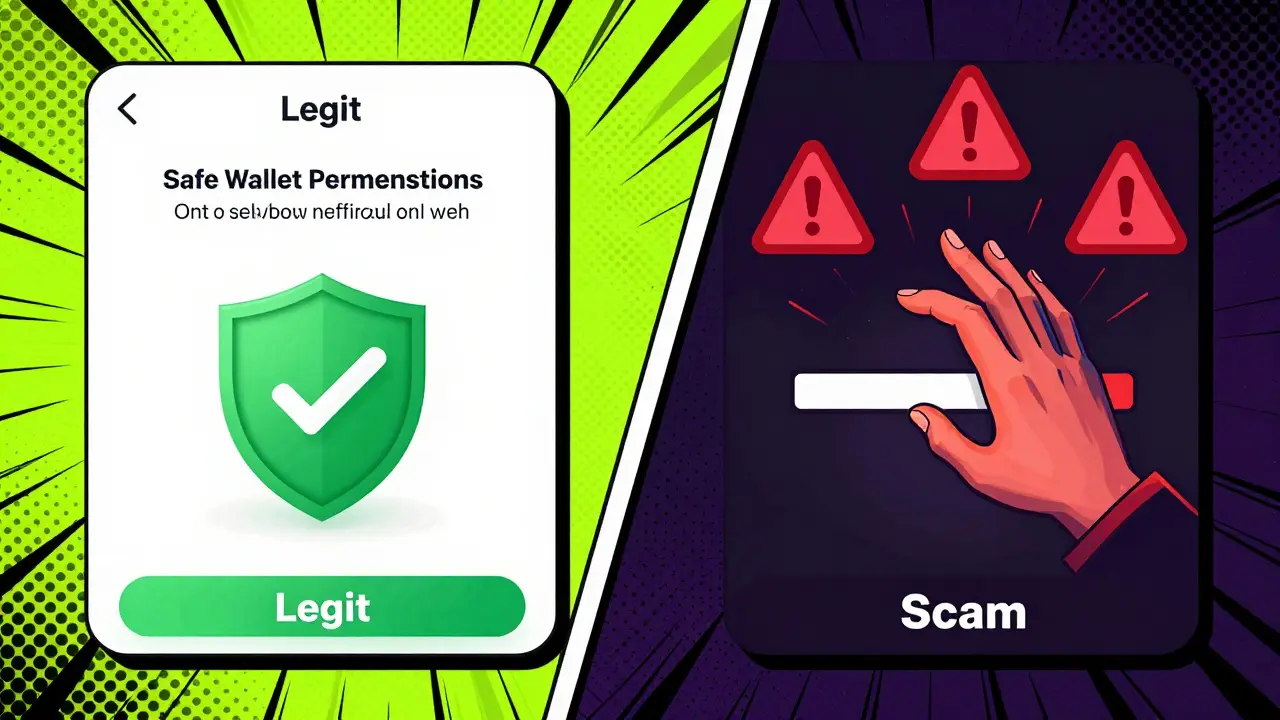
| Feature | Legitimate Airdrop | Risky / Scam Airdrop |
|---|---|---|
| Source | Official Twitter/Discord links only | Random DMs, Telegram bots, or pop-up ads |
| Cost | Free (except small gas fees for claiming) | Requires sending ETH/SOL to "verify" wallet |
| Wallet Connection | Read-only permissions initially | Asks for unlimited approval or seed phrase |
| Timeline | Clear start and end dates | Vague promises like "soon" or "next week" |
Notice the key difference: legitimate projects never ask for your private key. They also never require you to send money to receive free tokens. If a Swaperry promotion asks you to deposit funds to "unlock" your airdrop, close the tab immediately.
Step-by-Step: Verifying Project Authenticity
Before participating in any IDO promotion, run this verification checklist. This applies to Swaperry, PUMPSWAP, Nillion, or any other emerging token.
- Check the Social Handles: Go to Twitter (X). Look for the blue checkmark (if applicable) or high engagement from known industry figures. Check the creation date. Accounts created last month with millions of followers are likely bots.
- Search Block Explorers: Type "Swaperry" into Etherscan, BscScan, or Solscan. Do you see a verified contract? If not, the token does not technically exist on-chain yet.
- Review Community Sentiment: Join the Discord. Are people asking questions and getting answers from developers? Or is the chat filled with "When moon?" and spam? Real communities discuss technology and roadmap updates.
- Cross-Reference News Sources: Did reputable outlets like CoinDesk, Cointelegraph, or The Block cover the announcement? If only low-tier affiliate blogs mention it, treat it with extreme caution.
For Swaperry specifically, if these steps yield no results, the project is either pre-launch (and therefore not ready for public participation) or non-existent.
Common IDO Promotion Tactics
Projects use various tactics to drive attention during their IDO phase. Understanding these helps you decide if the effort is worth it.
Task-Based Rewards: These are the most common. You follow a Twitter account, retweet a post, and join a Discord server. Tools like Galxe or Zealy often facilitate this. These are generally safe because they don't require wallet interaction beyond basic identity proofing.
Hold-to-Earn: Some projects reward users who hold a certain amount of another token (like ETH or SOL) at a specific snapshot time. This requires capital but offers lower risk than interacting with unknown contracts.
Referral Programs: You invite friends to join the IDO whitelist. This builds viral growth but can lead to fatigue if the token price dumps after launch.
If Swaperry uses these methods, they will be announced via official channels. Be wary of third-party sites claiming to "calculate" your eligibility. These sites often harvest data.
Risks of Early-Stage IDOs
Participating in IDOs carries inherent risks. Even if Swaperry turns out to be legitimate, you face market volatility.
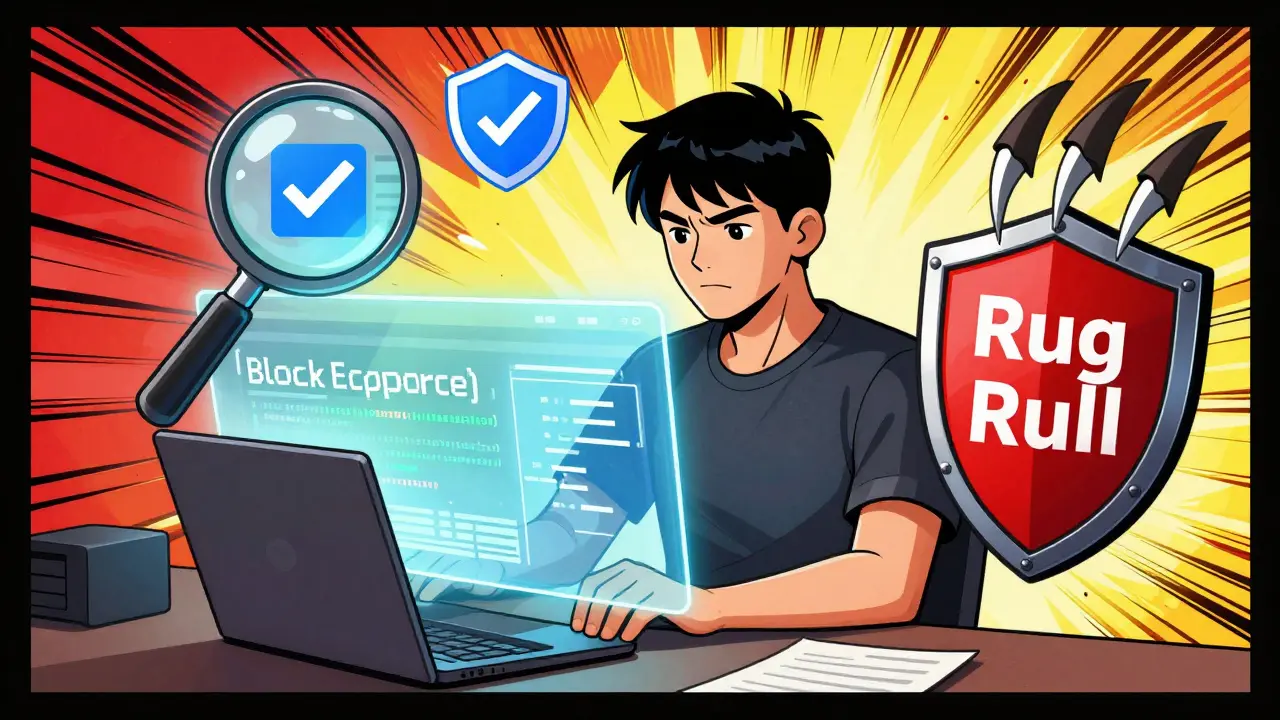
- Rug Pulls: Developers remove liquidity, causing the token price to go to zero. This is illegal but hard to prosecute in decentralized environments.
- Honeypots: Tokens you can buy but cannot sell. The code restricts selling to specific wallets (the devs).
- Slippage Fees: High transaction fees during launch can eat up small airdrop rewards.
- Smart Contract Bugs: New code is untested. Exploits can drain funds from anyone interacting with the contract.
To mitigate these risks, never invest more than you can afford to lose. Use a separate "burner" wallet for interacting with new IDOs, keeping your main holdings isolated.
Alternatives: Proven Airdrop Opportunities
If Swaperry remains unclear, consider focusing on projects with transparent roadmaps and active development. Recent examples of well-documented airdrop programs include:
- Nillion Network (NIL): Distributed significant rewards based on clear node operator criteria.
- Initia (INIT): Offered testnet incentives that converted to mainnet tokens, providing a clear path for early users.
- SpacePay (SPY): Anticipated revenue-sharing models that were publicly documented before launch.
These projects shared their tokenomics, audit reports, and team backgrounds upfront. Look for similar transparency in any future Swaperry announcements.
Conclusion: Patience Over FOMO
The crypto market thrives on Fear Of Missing Out (FOMO). When you see "Swaperry IDO Promotion," your instinct might be to click, connect, and hope. But patience is your best defense. Until Swaperry publishes a verified smart contract, a clear whitepaper, and official communication channels, there is nothing to claim and much to risk.
Keep your eyes on official aggregators like CoinMarketCap or CoinGecko for launch confirmations. Never trust direct messages. Verify every link. And remember: if an opportunity seems too good to be true, especially with vague details, it almost always is.
Is the Swaperry airdrop legit?
There is currently no verified evidence that Swaperry is a legitimate project with an active airdrop. Always check for official website links, verified social media accounts, and smart contract addresses on block explorers before participating. If these are missing, assume it is unsafe.
How do I find official Swaperry IDO details?
Look for announcements on major cryptocurrency news sites like CoinDesk or CoinTelegraph. Also, check decentralized exchange listings like Uniswap or PancakeSwap for new pairs. Avoid relying solely on Telegram groups or unsolicited tweets.
Can I get scammed by Swaperry airdrop claims?
Yes. Scammers often create fake websites mimicking real projects. They may ask you to connect your wallet to a malicious contract that drains your funds. Never enter your seed phrase or private key on any site claiming to offer free tokens.
What is an IDO promotion?
An IDO promotion is a marketing campaign launched by a crypto project around the time of its Initial DEX Offering. It typically involves giving away free tokens (airdrops) to users who complete simple tasks like following social media accounts or joining community chats.
Should I pay gas fees for an unverified airdrop?
No. If a project is not verified, paying gas fees to interact with its contract is risky. You could lose the transaction fee and potentially expose your wallet to exploits. Only pay gas fees for transactions on audited, well-known platforms.