Block Rewards Explained: How Miners Get Paid and Why It Matters for Crypto
When you hear about block rewards, the newly created cryptocurrency given to miners for validating transactions and adding blocks to the blockchain. Also known as mining rewards, they’re the engine that keeps networks like Bitcoin running — without them, no one would bother securing the system. It’s not a bonus. It’s the payment. And it’s the only way new coins enter circulation.
Every time a miner solves a complex math problem — a process called proof of work, the consensus method that requires computational power to validate blockchain transactions — they get paid in new coins. For Bitcoin, that started at 50 BTC per block in 2009. Today, it’s 3.125 BTC. That drop didn’t happen by accident. It’s built into the code. Every 210,000 blocks, the reward cuts in half. This is called the Bitcoin halving, the scheduled reduction of block rewards that controls inflation and mimics scarcity. It’s not just a technical detail — it’s what makes Bitcoin deflationary. And it’s why miners care so much about timing and efficiency.
But block rewards aren’t just about Bitcoin. They’re the foundation of most PoW blockchains. Ethereum used to pay out rewards the same way — until it switched to proof of stake. Now, miners on chains like Litecoin, Bitcoin Cash, and others still rely on these payouts. And when the reward drops, things get tense. Miners with old hardware get squeezed. Some shut down. Others move to cheaper electricity. That’s why block rewards directly affect network security. Fewer miners? Lower hash rate? Easier to attack.
And here’s the twist: block rewards are only part of the story. Once all coins are mined — for Bitcoin, that’s around 2140 — miners will survive on transaction fees alone. That’s a big unknown. Will users pay enough? Will fees spike? Or will chains adapt? Right now, block rewards are the lifeline. They’re why people run expensive rigs in warehouses or rent cloud power just to earn a few cents. They’re why new coins launch with high initial rewards — to attract miners fast.
That’s what you’ll find in the posts below: real examples of how block rewards shape projects, how some coins fail because they don’t get this right, and how scams exploit the idea of "easy mining" to trick people. You’ll see how a token with zero circulating supply hides behind fake mining promises. How a DeFi platform’s rewards are just a smoke screen. How even airdrops — like those tied to KAI or HUNNY — rely on the same incentive structures that block rewards built.
Block rewards aren’t just code. They’re economic contracts. And understanding them means knowing who gets paid, when, and why — before you invest your time or money.
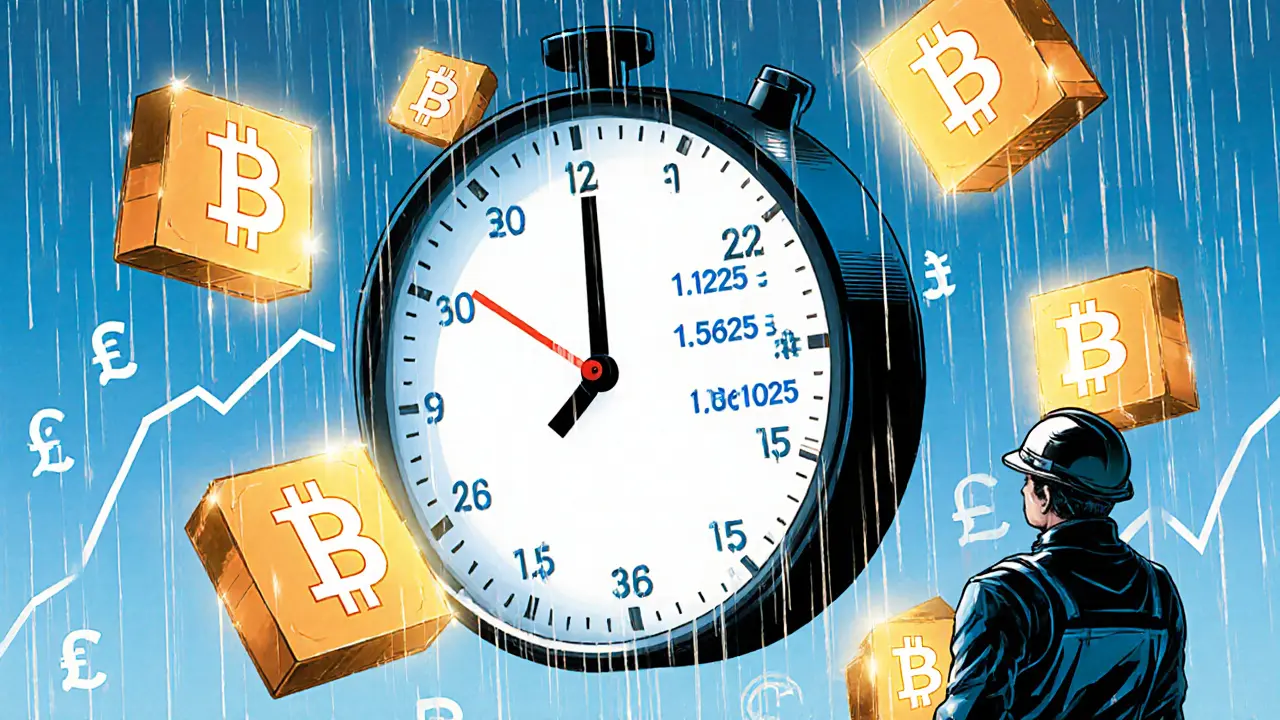
Block rewards in Bitcoin are programmed to halve every four years, creating a predictable, declining inflation rate that contrasts sharply with fiat currencies. This mechanism is key to Bitcoin's value as a scarce digital asset.
Continue Reading