Crypto Adoption in Venezuela: How People Use Bitcoin Despite the Crisis
When the Venezuelan bolívar collapsed, people didn’t wait for permission—they turned to crypto adoption Venezuela, the widespread use of digital currencies like Bitcoin to bypass economic collapse and access basic goods. Also known as digital dollarization, it’s not a trend—it’s survival. While governments talk about regulation, millions of Venezuelans use crypto daily to pay for food, medicine, and rent. This isn’t speculation. It’s real life.
Behind this shift is a mix of desperation and innovation. The government tried to control it with SUNACRIP, the state agency created to oversee all crypto activity in Venezuela. Also known as National Digital Mining Pool, it forces miners to register, pay taxes, and join a government-run pool. But most users ignore it. They use peer-to-peer apps like Paxful and LocalBitcoins, sending Bitcoin directly to friends, family, and merchants. The state can track mining, but it can’t stop cash-in-hand crypto trades.
Even more surprising? Crypto mining still happens—despite the power shortages. People run rigs in homes with solar panels or stolen grid power. Some earn Bitcoin by mining and trade it for dollars on the black market. Others use it to send remittances across borders, avoiding banks that freeze accounts. The crypto mining Venezuela, the process of earning Bitcoin through computational work under Venezuela’s strict state rules. Also known as state-licensed mining, it’s a contradiction: the same system that bans private currency lets you mine if you jump through their hoops. Meanwhile, everyday users don’t care about licenses. They care about price stability. A Bitcoin can buy a week’s groceries. The bolívar? It can’t buy a loaf of bread.
What you’ll find here isn’t theory. It’s what people are actually doing. From how to avoid scams pretending to be official airdrops, to why some crypto projects claim ties to Venezuela’s economy (and why they’re fake), this collection cuts through the noise. You’ll see how real users navigate the chaos, what tools they trust, and which so-called "solutions" are just traps. No fluff. No hype. Just what works when your money is worthless.
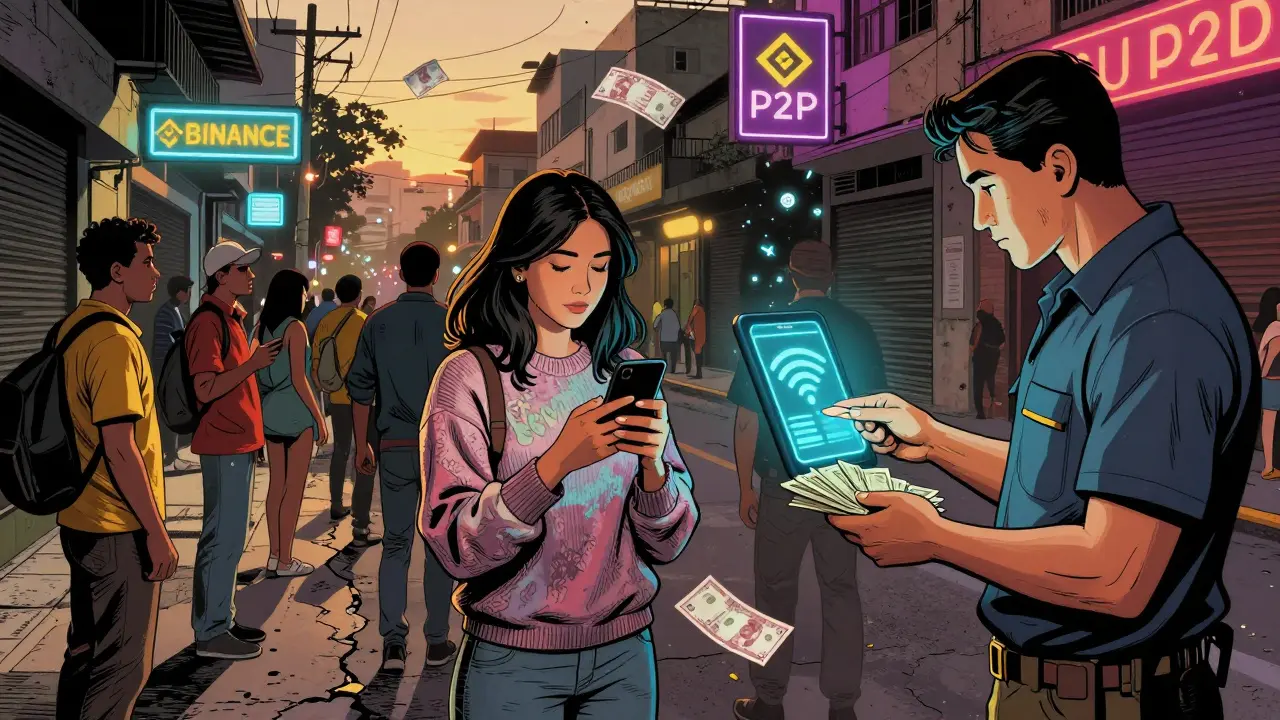
In Venezuela, Bitcoin and USDT have become essential tools for survival amid hyperinflation and a collapsed currency. Millions use crypto daily to buy food, pay rent, and send remittances-bypassing a broken financial system.
Continue Reading