Crypto Regulations in Venezuela
When it comes to Crypto Regulations in Venezuela, the complex mix of state-backed digital currency efforts and grassroots Bitcoin adoption that defines how people use money when their national currency collapses. Also known as Venezuela cryptocurrency laws, this system isn’t about banning crypto—it’s about trying to control it while the economy crumbles. The government launched the Petro in 2018, a state-backed token tied to oil reserves, hoping to bypass U.S. sanctions and attract foreign investment. But the Petro never gained real trust. No one outside the state could verify its backing, and local users never adopted it. Meanwhile, Bitcoin quietly became the real alternative.
While the government claims to regulate crypto through its Superintendency of Cryptocurrencies (SUPERCRIPTO), enforcement is patchy at best. Most Venezuelans don’t deal with official platforms—they use peer-to-peer apps like LocalBitcoins, Paxful, and Telegram groups to trade Bitcoin for dollars or pesos. These transactions happen outside the banking system, avoiding hyperinflation and capital controls. The central bank doesn’t track them, and the police rarely intervene. This isn’t legal freedom—it’s practical survival. People aren’t breaking laws to be rebels; they’re breaking the system because the system broke them.
The real story isn’t in the laws—it’s in the data. Venezuela consistently ranks among the top countries for Bitcoin peer-to-peer volume, according to Chainalysis. Why? Because when your salary loses half its value in a week, you don’t wait for permission to save your money. The government’s attempts to tax crypto transactions or force exchanges to register have mostly failed. Many platforms that did comply were either shut down by sanctions or abandoned by users who saw them as traps. Even the Petro, once pushed as the future of Venezuela’s economy, now exists mostly as a footnote in official press releases.
What’s left is a decentralized, invisible economy. Venezuelans use crypto not as an investment, but as a lifeline—to send remittances, buy food, pay for medicine, or escape the peso. They don’t care about regulation. They care about access. And that’s why, despite everything, crypto keeps growing here—not because the state supports it, but because it has no choice.
Below, you’ll find real stories and breakdowns of how crypto works on the ground in Venezuela—from the tools people actually use to the scams that prey on desperation. These aren’t theoretical guides. They’re survival manuals written by people who’ve lived through it.
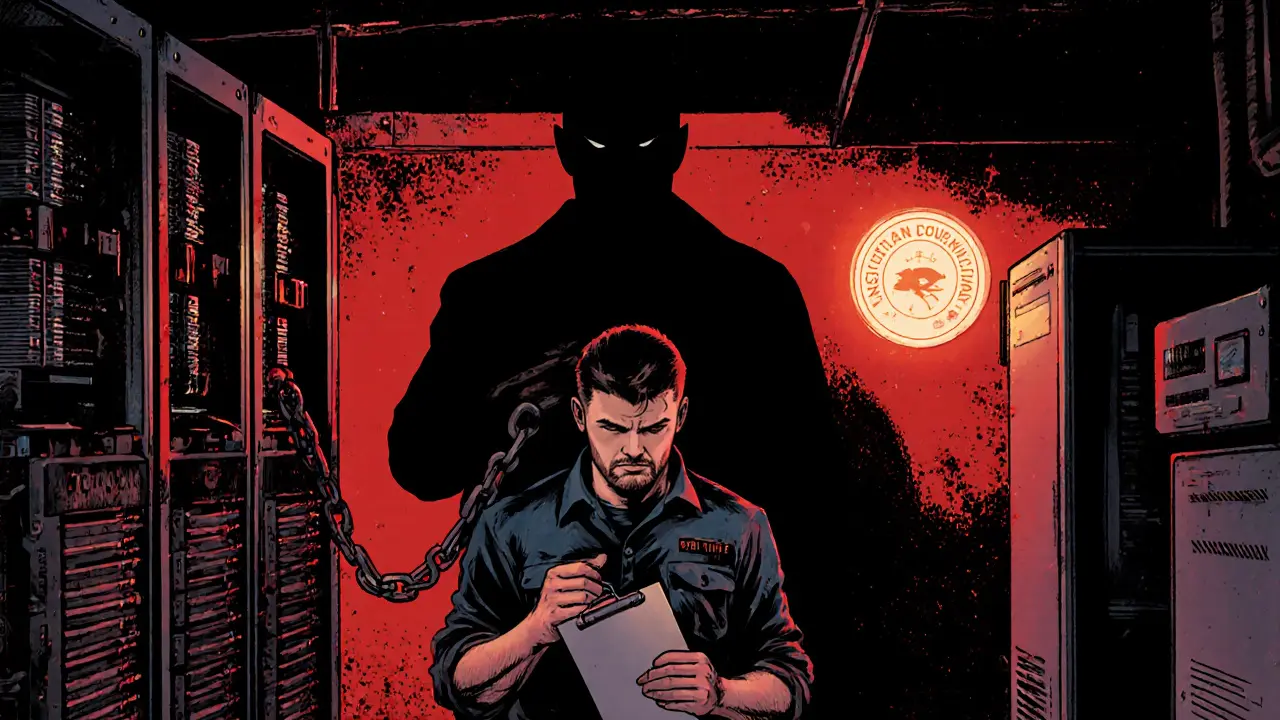
Venezuela requires all crypto miners to join a government-controlled mining pool, obtain a license from SUNACRIP, and pay heavy taxes. Learn the strict 2025 requirements, risks, and why this system contradicts crypto's core principles.
Continue Reading