Is the (VDV) VIRVIA Airdrop Real? Complete Safety Check & Details
Learn the truth about the VIRVIA VDV airdrop. Security analysis reveals it is likely a scam with no legitimate token contract.
Continue ReadingWhen you hold cryptocurrency security, the practices and tools that protect your digital assets from theft, fraud, and loss. Also known as crypto safety, it’s not just about passwords—it’s about understanding who’s trying to take your money and how they do it. Most people lose crypto not because the blockchain broke, but because they clicked the wrong link, used a sketchy exchange, or trusted a fake airdrop. The truth? Your coins are only as safe as your habits.
Crypto scams, fraudulent schemes designed to trick users into giving up their private keys or sending funds to fake addresses. Also known as crypto fraud, they’re everywhere—fake airdrops like CAKEBANK and CKN, impersonated teams like DeepSeek AI, and fake NFT giveaways that look real until your wallet is empty. These aren’t edge cases. They’re the norm. And they’re getting smarter. Scammers now copy real project websites, use fake Twitter verified badges, and even hire actors to pretend to be founders. If it sounds too good to be true, it is. Always check the official website, never paste your seed phrase anywhere, and never trust a DM asking for help. Then there’s whale manipulation, when large holders move markets by creating fake demand or panic to trap retail traders. Also known as market spoofing, this isn’t theory—it’s happening right now. You see a price spike? It’s likely a trap. A sudden dump after a hype tweet? That’s a whale cleaning out their position. Learning to read order books and spot fake volume isn’t for traders only—it’s basic survival in crypto. And don’t forget wallet security, how you store and manage your private keys to prevent unauthorized access. Also known as self-custody, this is where most people fail. Hardware wallets aren’t optional for serious holders. Hot wallets on exchanges? Fine for small amounts, but never your life savings. If you’re not the only one with access to your keys, you don’t own your crypto. Even crypto exchange security, the measures platforms take to protect user funds from hacks and insider threats. Also known as exchange safety, varies wildly. Some exchanges, like Blockchain.com, are regulated and keep most funds offline. Others, like HTX, offer high leverage but have slow KYC and no U.S. support. Choosing the wrong one can cost you everything—even if you did everything else right.
What you’ll find below isn’t theory. It’s real cases. The CAKEBANK airdrop that didn’t exist. The ZENIQ token with no team and no future. The Venezuelan users who survived hyperinflation using Bitcoin—not because they were experts, but because they knew how to avoid the traps. You’ll see how privacy coins like Monero are being targeted by regulators, how priority fees affect your transaction speed, and why holding governance tokens gives you real power—not just speculation. This isn’t about getting rich quick. It’s about not getting robbed on your way there. Read these stories. Learn from them. Then protect what’s yours.
Learn the truth about the VIRVIA VDV airdrop. Security analysis reveals it is likely a scam with no legitimate token contract.
Continue Reading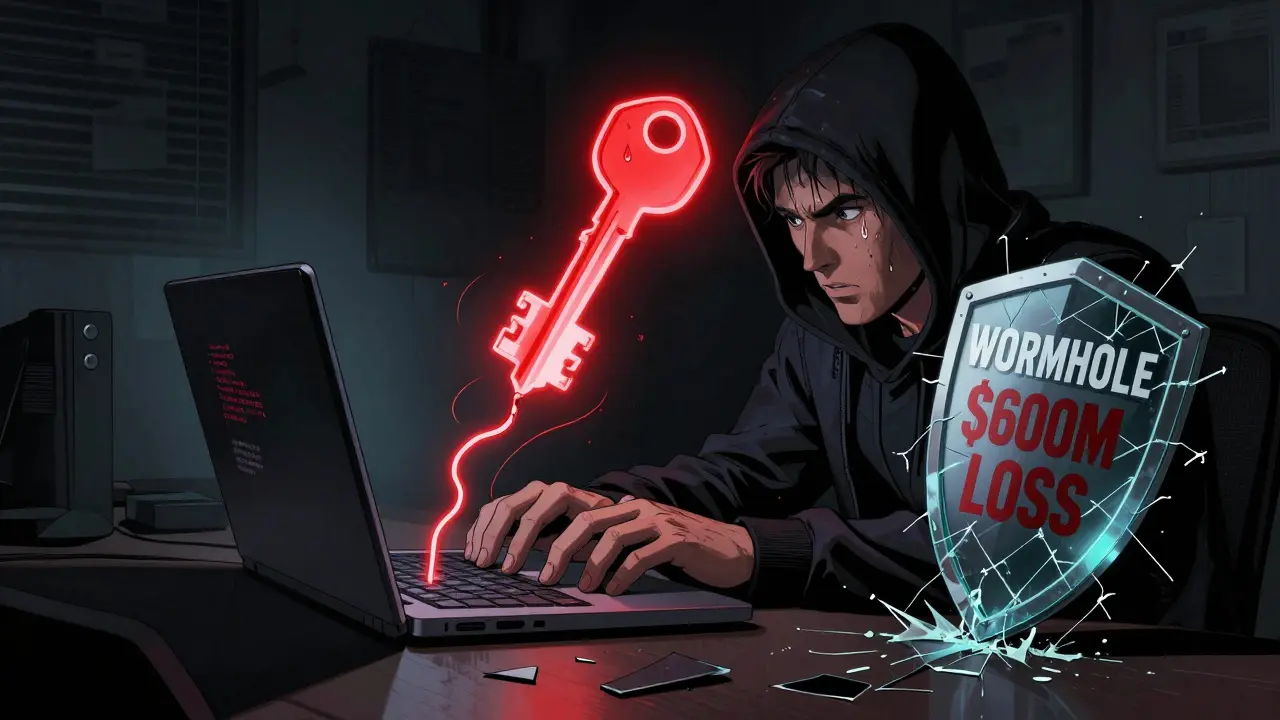
Learn the 2025 best practices for private key storage to protect your cryptocurrency and blockchain assets. Discover why hardware keys, ed25519, and strict policies are non-negotiable for security.
Continue Reading