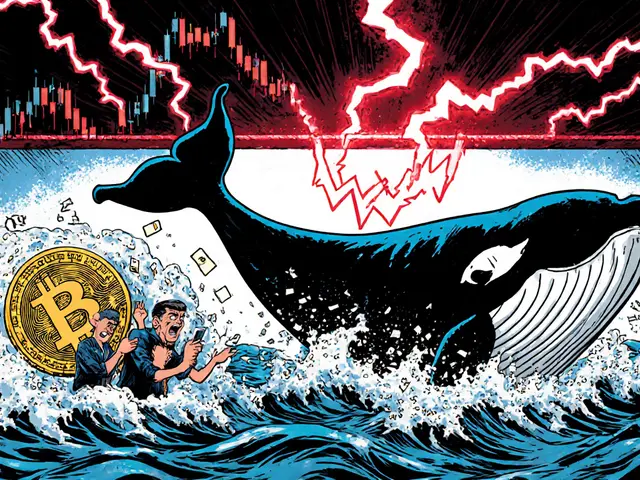
DAO: What It Is, How It Works, and Why It Matters in Crypto
When you hear DAO, a decentralized autonomous organization that runs on blockchain rules without central control. Also known as decentralized autonomous organization, it lets groups of people manage money, make decisions, and run projects using smart contracts instead of CEOs or boards. Think of it like a digital cooperative—no one owns it, but everyone who holds its tokens gets a vote. That’s the core idea behind DAOs: shifting power from a few people to a crowd.
DAOs aren’t just theory. They’ve been used to fund open-source code, buy NFTs like the Constitution, and even manage DeFi protocols like SushiSwap and Velodrome. But not all of them work. Some fail because of bad code, others because of voting apathy. A DAO can’t fix a bad idea—no matter how many people vote for it. That’s why you see so many posts here about failed projects like Parallel Finance or HUNNY FINANCE. They weren’t scams, but they were poorly governed. The code didn’t stop bad decisions—it just made them look official.
Behind every DAO is blockchain voting, a system where token holders submit and tally votes on-chain. That’s different from traditional companies where the board decides. In a DAO, if you hold enough tokens, you can propose changes—like adjusting fees, spending treasury funds, or even shutting down the project. But here’s the catch: most people don’t vote. In many DAOs, less than 5% of token holders show up. That means a small group ends up controlling everything, which defeats the whole point.
Then there’s DeFi, a system of financial apps built on blockchain that operate without banks. Most major DeFi platforms started as DAOs because they needed trustless governance. But over time, many handed control back to teams or venture funds. That’s why you’ll find posts here questioning whether SushiSwap V3 or Velodrome v3 are still truly community-run—or just branded as DAOs for marketing.
What you’ll find in this collection isn’t a textbook on DAO theory. It’s a real-world look at what happens when code meets human behavior. You’ll see how a token with zero circulating supply (like OCP) can pretend to be a DAO. How airdrops like XCV or SAKE try to build voting power before launch. How Venezuela’s state-run mining pool isn’t a DAO—but it’s the opposite of one. And how rug pulls often hide behind the word "DAO" to trick people into thinking their money is safe.
DAOs sound like freedom. But freedom without structure turns into chaos. The posts here don’t cheerlead. They ask: Who’s really in charge? What happens when the votes are tied? And why do so many DAOs die quietly, with no one left to vote on their funeral?
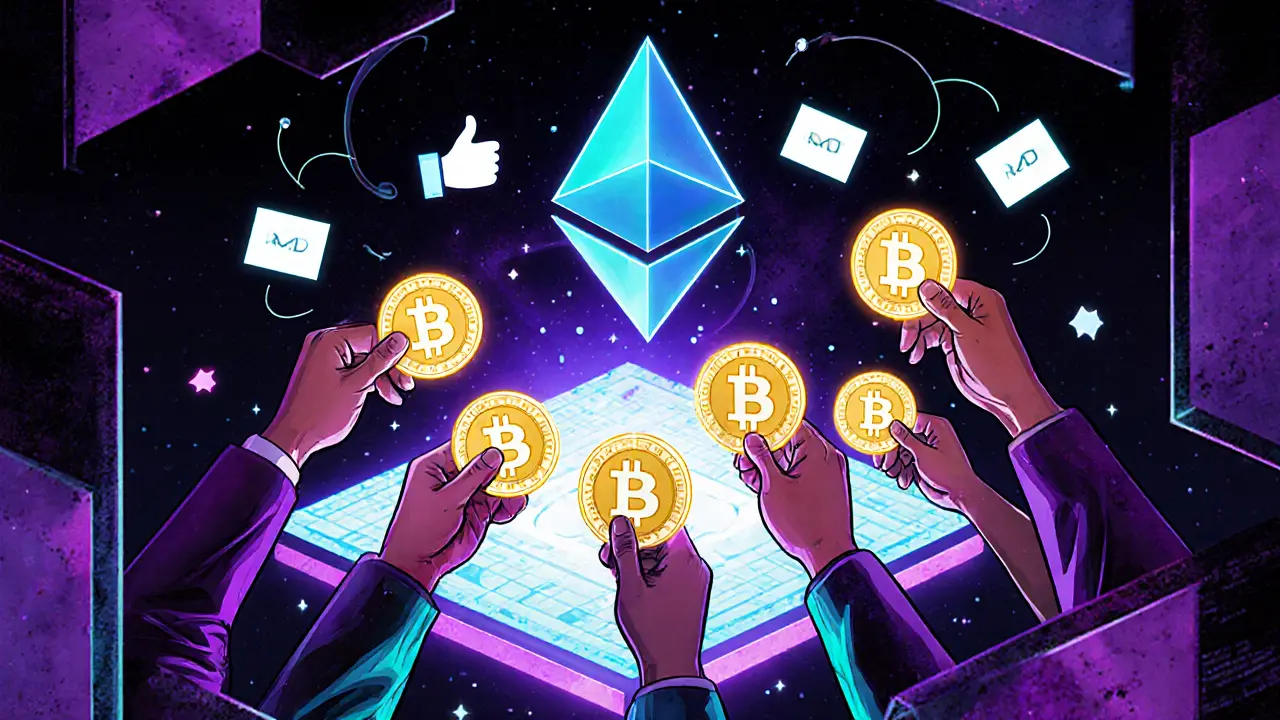
Holding governance tokens gives you real voting power in DeFi and DAOs, letting you influence fees, treasury spending, and protocol upgrades. It aligns your interests with the network’s success and offers rewards beyond price gains.
Continue Reading