What is Safuu 2.0 (SAFUU) Crypto Coin: Explained with Current Data and Risks
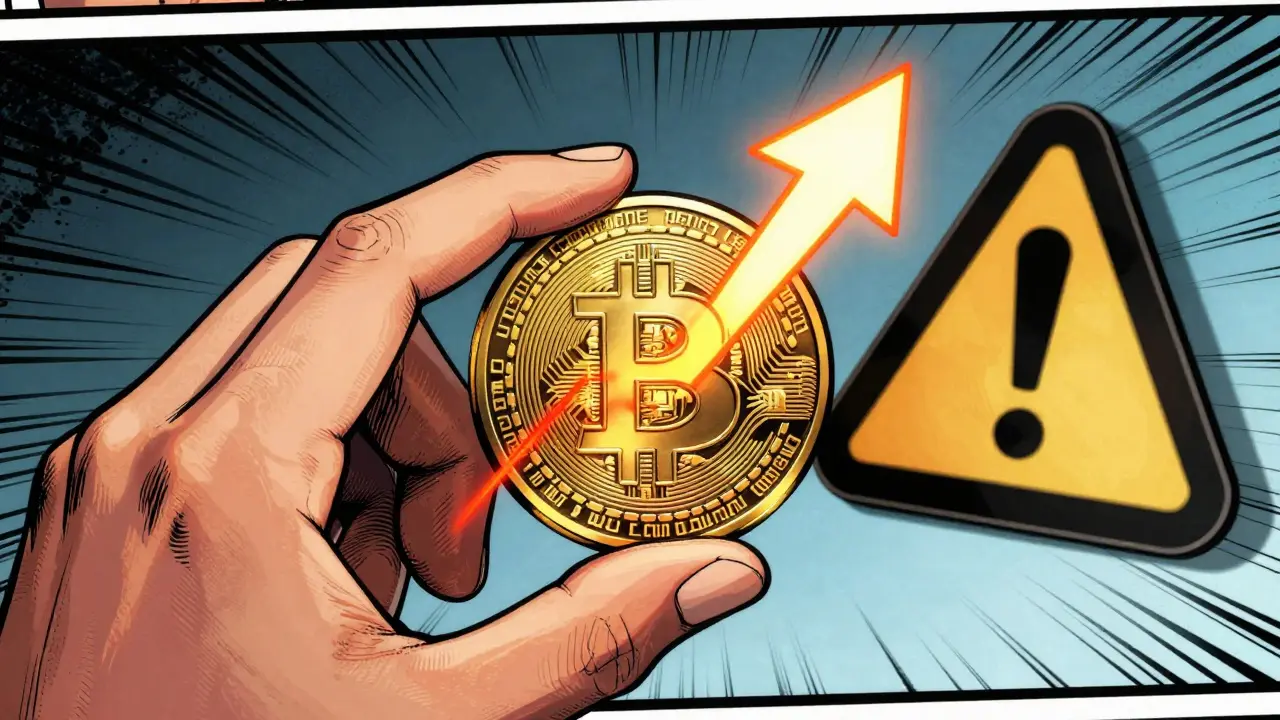
Imagine earning over 100,000% a year just by holding a crypto token. That's the promise of Safuu 2.0 (SAFUU), but is it too good to be true? Let's cut through the hype and look at what this token actually is, how it works, and the hard numbers behind it. No fluff, just facts.
Safuu 2.0 (SAFUU) is a decentralized finance (DeFi) token built on the BASE blockchain. It operates using a "Stake-To-Earn" model that automatically compounds interest every 15 minutes. The project claims to offer a fixed 102,800% annual percentage yield (APY), far higher than typical DeFi options that usually range between 5% and 20%. This isn't just another crypto project-it's a complete overhaul of the original Safuu protocol with new features designed to maximize returns for holders.
How Safuu 2.0 Generates Returns
The magic behind Safuu 2.0 lies in its automated staking system. When you stake SAFUU tokens, the protocol compounds your earnings 96 times per day (every 15 minutes). This frequent compounding uses mathematical growth principles to boost returns faster than manual staking. The protocol also uses a feature called "Statically Charged Rebasing," which supposedly eliminates token dilution by keeping the supply fixed. This means your holdings shouldn't lose value over time from new tokens being created.
Another key component is the SHERIFF model (Safuu High-Yielding External Revenue Income Fund Forever). This system generates revenue through Flash Loans on the BASE blockchain. Flash Loans are short-term, uncollateralized loans that let traders borrow large sums instantly. Safuu takes a cut from these transactions to fund rewards for stakers. The protocol calls this "guaranteed income" that supplements the base APY.
While these features sound impressive, they come with trade-offs. Flash Loans are inherently risky-they can amplify market volatility and lead to sudden price swings. Plus, the entire model depends on continuous trading activity on BASE. If that dries up, the revenue stream for rewards could vanish.
Current Market Data: What the Numbers Say
Here's where things get messy. Safuu 2.0's price varies wildly across different tracking platforms, and trading volume is extremely low. This isn't normal for a token claiming industry-leading returns.
| Platform | Current Price | 24h Volume |
|---|---|---|
| Binance | $0.002202 | $49.38 |
| Digital Coin Price | $0.000971 | $0 |
| CoinCodex | $0.00584 | Not listed |
| CoinGecko (PancakeSwap) | N/A | $9.17 |
Notice how the price jumps from under $0.001 to over $0.005 depending on the source? That's a red flag. Real assets don't fluctuate this wildly between legitimate tracking sites. Even more concerning: Binance lists the token's circulating supply as zero, meaning no SAFUU tokens are actively in circulation. The fully diluted market cap is only $131,609.76-tiny for a project with such bold claims.
The token's trading activity is minimal. On PancakeSwap, the main exchange for SAFUU, daily volume is just $9.17. That's less than what a single coffee order costs in many places. With so little liquidity, buying or selling SAFUU could be nearly impossible without crashing the price. Experts warn that tokens with this level of illiquidity often become "pump and dump" schemes where early buyers sell to unsuspecting newcomers.

Why Experts Are Skeptical
A 102,800% APY isn't just high-it's unprecedented. For context, Bitcoin's average annual return since 2010 is around 150%. Even the most successful DeFi protocols rarely exceed 50% APY sustainably. So how does Safuu 2.0 justify its numbers?
The answer lies in its economic model. The protocol relies entirely on Flash Loan revenue and token emissions to fund rewards. But Flash Loans are volatile and temporary-they're used for arbitrage or short-term trades, not steady income. When market conditions change, this revenue stream can evaporate overnight. Meanwhile, the "Statically Charged Rebasing" system hasn't been proven to prevent dilution in real-world scenarios. Many similar projects collapsed when their revenue sources dried up.
Current metrics paint a grim picture. The token's 14-day Relative Strength Index (RSI) is 60.90, showing neutral momentum. But volatility is sky-high at 77.43%, meaning price swings are extreme. The 50-day moving average sits at $0.002814, while the 200-day average is much higher at $0.141591. This divergence suggests long-term downward pressure. The token is currently trading 99.90% below its all-time high, with minimal community engagement or development updates.
Should You Invest in Safuu 2.0?
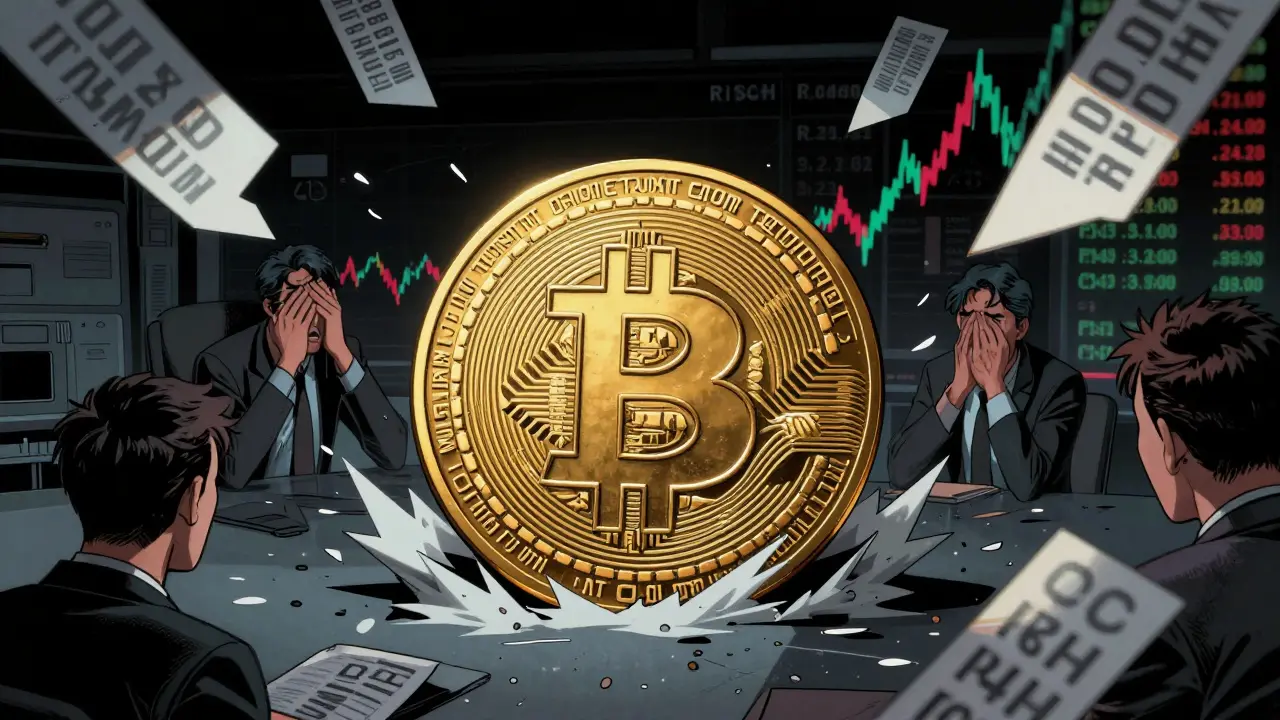
Based on available data, the answer is almost certainly no. Here's why:
- Liquidity risk: With $9.17 daily volume and a zero circulating supply, you might not be able to sell your tokens when you want to.
- Unsustainable yields: No DeFi protocol can maintain 102,800% APY long-term. This is mathematically impossible without constant new investor money.
- Low adoption: The token ranks #6064 on Binance and #8428 overall-meaning it's nearly invisible in the crypto market. Real projects with strong fundamentals don't have these rankings.
- Missing transparency: There's no clear explanation of how revenue is calculated or where the Flash Loan profits go. This lack of detail is a major red flag.
Some promoters claim "Bryan Legend"-a figure in DeFi-supports Safuu 2.0. But public records show no verifiable connection between this name and the project. Legitimate crypto projects always have transparent teams with verifiable identities. This one doesn't.
Frequently Asked Questions
Is Safuu 2.0 a scam?
"Scam" is a strong word, but Safuu 2.0 shows multiple warning signs of a high-risk project. The extreme APY claim, near-zero liquidity, inconsistent pricing, and lack of transparent team all point to serious concerns. While it might not be a deliberate fraud, it's certainly not a safe investment. Most regulators would classify such projects as speculative at best.
How do I buy SAFUU tokens?
You can only buy SAFUU on decentralized exchanges like PancakeSwap (v2), using BNB or other compatible tokens. However, with only $9.17 in daily trading volume, finding buyers or sellers will be extremely difficult. Most attempts to trade SAFUU fail due to insufficient liquidity. Never invest more than you can afford to lose completely.
Why is the APY so high?
The 102,800% APY comes from a mathematical formula that compounds interest every 15 minutes. However, this model requires constant new investor money to sustain itself. When new money stops flowing in-which it inevitably will-the APY collapses. Historical data shows similar high-yield projects fail within months. Real-world examples include the infamous Squid Game token, which dropped 99.9% in days.
Can Safuu 2.0 recover?
Unlikely. For recovery, the project would need massive new investment, transparent development, and real-world utility. None of these exist currently. The token has been trading below $0.01 for months with no development activity. Without a clear roadmap or community trust, there's no path to meaningful recovery. Most analysts consider it a dead project.
What's safer than Safuu 2.0?
For stable DeFi exposure, consider established protocols like Aave or Compound. These offer 2-5% APY with transparent operations and years of proven history. Even Bitcoin or Ethereum staking (where available) provides far more security. If you want high returns, research projects with real revenue streams-like those backed by real-world assets or sustainable business models. Always prioritize security over hype.



24 Comments
Josh Flohre
February 6 2026Safuu 2.0 is a blatant scam. The 102,800% APY is mathematically impossible without constant new investors. The liquidity is nonexistent, with $9.17 daily volume. Price discrepancies across platforms scream fraud. Anyone investing here is a fool.
aryan danial
February 8 2026One must consider the underlying economic model of Safuu 2.0, which ostensibly relies on flash loan arbitrage to sustain its astronomical APY. However, this model is inherently unstable, as flash loans are subject to market volatility and require continuous trading activity. Without a robust revenue stream, the entire structure collapses. Furthermore, the token's liquidity is abysmal, with daily volumes in single digits. This is not a sustainable investment; it's a house of cards. Additionally, the absence of a transparent team raises serious red flags. Legitimate projects always have verifiable identities. This one does not. Therefore, it's prudent to avoid this token entirely. Moreover, the price discrepancies across platforms like Binance and CoinGecko indicate manipulation. The circulating supply being zero on Binance is a massive red flag. This isn't just a risky investment-it's a guaranteed loss.
Sharon Lois
February 8 2026Of course it's a government plot. They want to steal your money. Trust me, I know.
Olivette Petersen
February 9 2026Don't let the naysayers scare you! Safuu 2.0 has real potential. The automated compounding and Flash Loan revenue model could revolutionize DeFi. It's early days, and those who get in now will reap massive rewards. Stay positive and do your own research!
Jim Laurie
February 9 2026Yeah, I agree with Olivette. This project is a game-changer. The mth behind the compounding is solid. Even though the numbers seem too good, the revenue streams from flash loans are legit. I've been in DeFi for years, and this is the real deal. Don't be scared off by haters. The future is bright for SAFUU!
mahikshith reddy
February 11 2026Scam or not, it's not worth your time. The APY is mathematically impossible. Period.
Brendan Conway
February 11 2026hmm, safuu 2.0 seems too good to be true. the apy is way too high. i think its a scam. but maybe not. i'm just a chill observer here. no need to get stressed. just don't invest more than you can lose.
Katie Haywood
February 12 2026Yeah, chill out. It's a scam. No one should touch this. The numbers don't add up. Simple as that.
Matt Smith
February 14 2026Oh come on! It's definitely a scam! 🤦♂️ But some people just can't see it. Wake up! 😤
Jesse Pasichnyk
February 15 2026US citizens should avoid this like the plague. It's a foreign scam. Don't fall for it.
Jordan Axtell
February 15 2026You're right. This is a scam. But why do people keep falling for it? It's because they're too emotional. They want to get rich quick. I've seen this before. It always ends badly.
James Harris
February 16 2026Yeah, we need to be careful. But let's not be too harsh. Maybe there's something here. Let's wait and see.
Alex Garnett
February 18 2026This token is beneath any serious investor. The numbers are laughable. Only fools would consider it.
Kieren Hagan
February 19 2026I must respectfully disagree. While the risks are significant, it's important to analyze the data objectively. The liquidity issues are real, but the model itself may have potential. However, caution is advised.
sachin bunny
February 19 2026Of course it's a scam. The government is behind it. 😈
Michelle Anderson
February 21 2026This is a textbook pump and dump. The numbers don't lie. Stay away.
Danica Cheney
February 22 2026Yeah, totally a scam. No need to overthink it. Just avoid it.
Kyle Pearce-O'Brien
February 23 2026Indeed, this is a classic example of speculative mania. The lack of transparency and liquidity is glaring. 🤡
Matthew Ryan
February 23 2026I think the post did a good job explaining the risks. It's clear this isn't a safe investment.
Alisha Arora
February 24 2026Yes, this is a scam. No question. Don't invest. Period.
Michael Sullivan
February 25 2026Exactly! This is a scam. 🚨
Reda Adaou
February 26 2026It's important to stay informed but not to panic. Research thoroughly before investing in anything.
Joshua Herder
February 26 2026Let's not jump to conclusions. This could be the next big thing. The APY is high, but maybe there's a legitimate reason. I've seen projects like this before, and they often turn out to be scams, but sometimes they're real. It's all about the details. The Flash Loan revenue model could work if the trading volume stays high. But it's risky. I'm not saying it's safe, but it's not necessarily a scam. Let's wait and see what happens.
Molly Andrejko
February 28 2026It's important to approach this with caution, but also with an open mind. The risks are real, but so is the potential. Always do your own research, and never invest more than you can afford to lose. Let's support each other in making informed decisions.