EU Crypto Regulation: What It Means for Traders, Exchanges, and Investors
When we talk about EU crypto regulation, a comprehensive legal framework governing digital assets across all European Union member states. Also known as MiCA (Markets in Crypto-Assets), it is the first unified set of rules for crypto in the EU, replacing a patchwork of national laws. This isn’t just bureaucracy—it’s a reset button for how you buy, hold, and trade crypto in Europe. If you’re using an exchange, staking tokens, or even just holding Bitcoin, these rules affect you directly.
MiCA, the core law behind EU crypto regulation, forces exchanges like HTX and Blockchain.com to get licensed, verify users more strictly, and report data to tax authorities. That’s why India’s upcoming OECD crypto reporting rules feel familiar—Europe’s already doing it. Crypto tax reporting, the requirement for platforms to share user transaction history with governments, is now mandatory under MiCA. No more hiding behind anonymous wallets if you’re trading in the EU. And it’s not just about taxes. Crypto exchanges, any platform letting you trade digital assets must now prove they’re secure, transparent, and not running rug pulls like the ones you see in BULT or WOR tokens. If a project has no team, no code, or zero liquidity—MiCA says it shouldn’t be listed.
But here’s the real impact: EU crypto regulation is killing the wild west. Meme coins like CLAP or DEEPSEEK might still pop up, but they can’t be sold on licensed EU exchanges anymore without full disclosure. Projects like RDNT or CRAI that have real tech and a team? They’re now in a clearer, safer space. Meanwhile, scams tied to Myanmar or fake airdrops like ECIO or RARA Unifarm? They’re harder to reach European users now because exchanges have to block them. This isn’t about stopping innovation—it’s about stopping fraud.
What you’ll find below are real examples of how this plays out: from how Venezuela’s state-run mining clashes with EU freedom, to why Indian crypto tax rules mirror Europe’s approach. You’ll see how DeFi tokens like NBX or OCP vanished under scrutiny, and how governance tokens like those in DAOs now need legal clarity to survive. These aren’t theoretical pieces—they’re case studies from the front lines of the new crypto world.
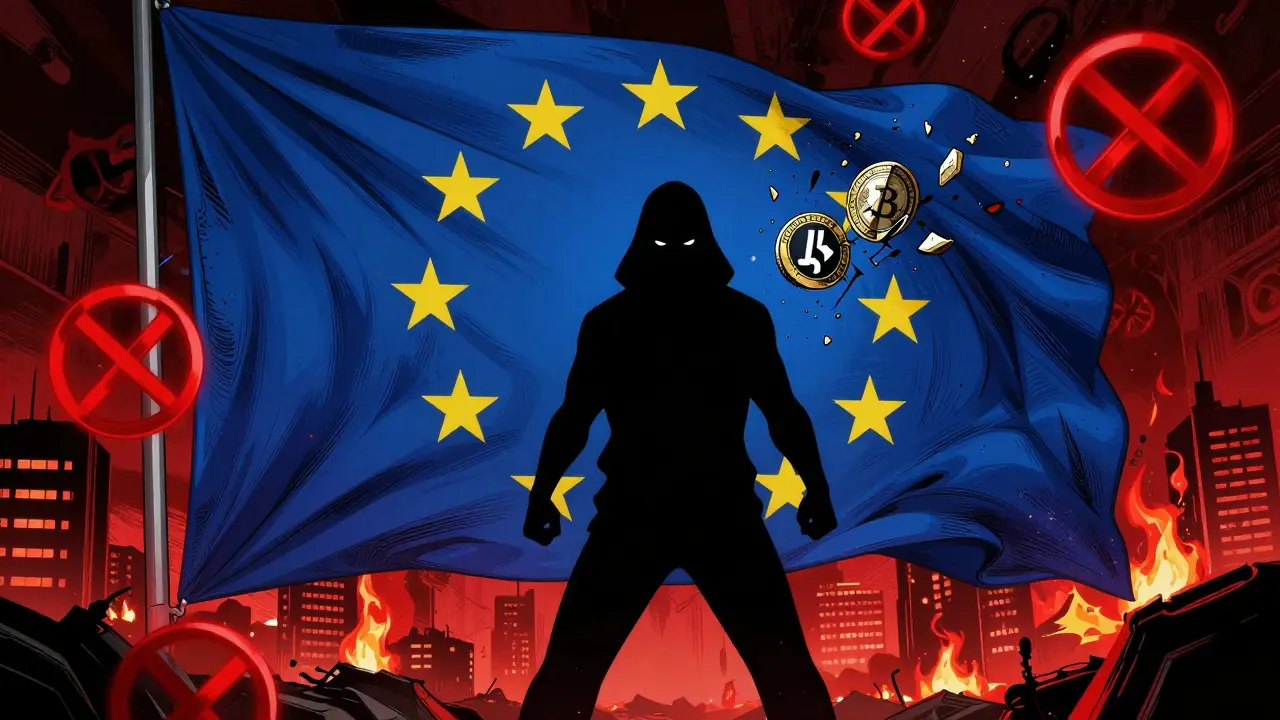
The EU is banning Monero and Zcash by July 2027 under new anti-money laundering rules. Here's what holders need to know about the ban, its impact, and how to prepare before the deadline.
Continue Reading