Mining Rewards: How Blockchain Miners Earn Crypto and Why It Matters
When you hear about mining rewards, the crypto payments given to validators who secure blockchain networks by solving complex math problems. Also known as block rewards, they’re the lifeblood of networks like Bitcoin and early Ethereum—without them, no one would run the computers keeping the system running. These rewards aren’t gifts or bonuses. They’re incentives built into the code to make sure people invest time, energy, and money into maintaining the network’s security and uptime.
Most mining rewards come from two sources: newly created coins and transaction fees. For example, Bitcoin miners get a fixed number of new BTC every 10 minutes when they successfully add a block. That number halves roughly every four years—the last cut dropped it to 3.125 BTC per block. On top of that, miners collect fees from users who want their transactions processed faster. In networks with low activity, the block reward is everything. In busy ones, like Bitcoin today, fees are starting to matter more as rewards shrink.
But mining rewards aren’t the same everywhere. Some chains, like Ethereum, ditched mining entirely and switched to proof of stake, a system where validators are chosen based on how much crypto they lock up, not how much computing power they have. This cut energy use by over 99% and ended mining rewards on Ethereum. Other chains, like Bitcoin and Litecoin, still rely on proof of work, the original method that uses powerful hardware to compete for rewards. And then there are hybrid systems, like OC Protocol, which claim to use both—but if no tokens are circulating, the rewards don’t mean anything.
Miners aren’t just hobbyists anymore. They’re businesses. Top operations run warehouses full of ASICs—specialized machines built for one thing: solving mining puzzles. These setups cost hundreds of thousands of dollars, use massive amounts of electricity, and need constant cooling. The reward has to cover all that. That’s why mining is concentrated where power is cheap: Kazakhstan, Texas, Georgia. If electricity prices spike or the coin’s price drops, miners shut down. It’s that simple.
And here’s the catch: mining rewards are disappearing. Bitcoin’s next halving in 2028 will cut the reward again. After that, miners will depend almost entirely on fees. Will users pay enough? No one knows. Meanwhile, newer chains are avoiding mining altogether because it’s too slow, too expensive, and too wasteful. The rise of staking, delegation, and other consensus models means mining rewards are becoming a relic of the early crypto era—not the future.
What you’ll find in the posts below aren’t guides on how to mine Bitcoin at home. You’ll find real stories about what happens when mining rewards vanish, when hardware becomes useless, when projects promise rewards but deliver nothing. From abandoned coins with zero circulating supply to exchanges that vanished overnight, these posts show what mining rewards really mean when the hype fades—and who gets left holding the bag.
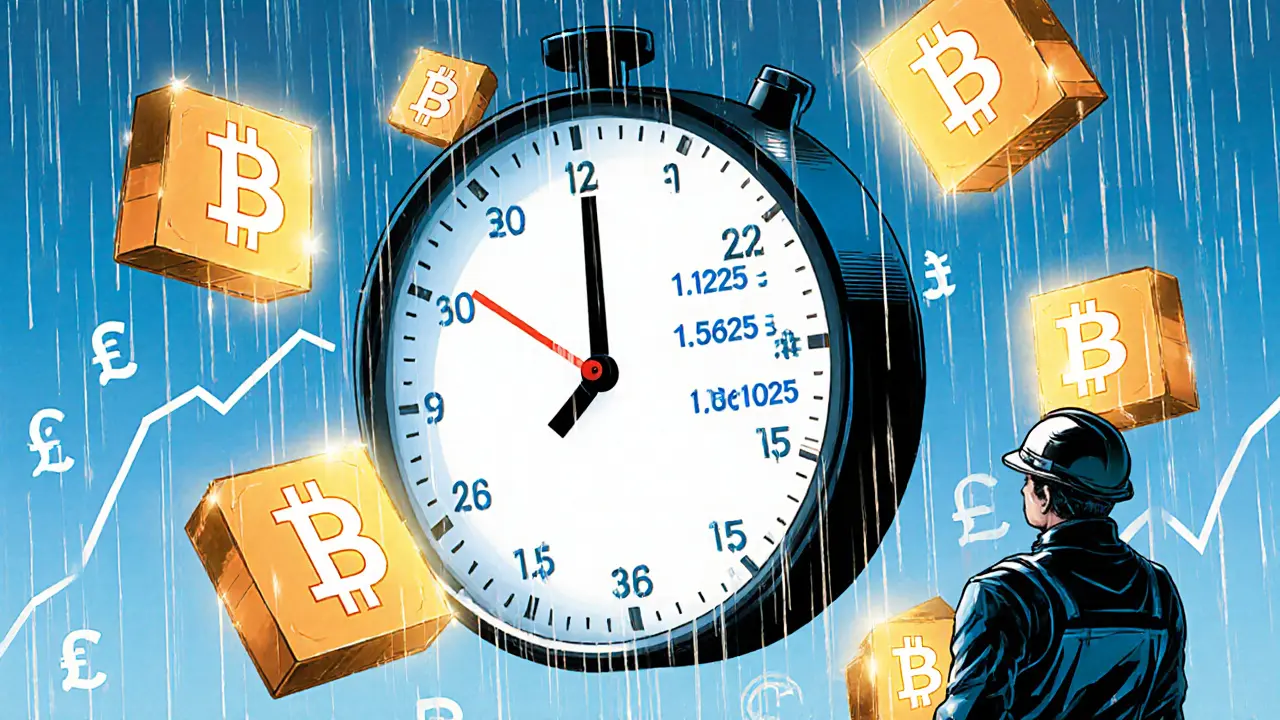
Block rewards in Bitcoin are programmed to halve every four years, creating a predictable, declining inflation rate that contrasts sharply with fiat currencies. This mechanism is key to Bitcoin's value as a scarce digital asset.
Continue Reading