Private Key Storage: How to Keep Your Crypto Safe from Scams and Loss
When you own cryptocurrency, private key storage, the secret code that gives you full control over your digital assets. Also known as crypto keys, it’s the only thing standing between your coins and total loss. If you lose it, your money is gone forever. If someone else gets it, they can drain your wallet in seconds—no bank, no customer service, no recovery option. There’s no "forgot password" button in crypto. Your private key is your password, your ID, and your bank vault—all rolled into one 64-character string.
Most people don’t realize how easy it is to lose access. A single screenshot on a hacked phone, a misplaced USB drive, or a phishing site that tricks you into typing your seed phrase can wipe out years of savings. That’s why seed phrase, a 12- or 24-word backup phrase generated when you set up a wallet. Also known as recovery phrase, it’s the human-readable version of your private key matters more than you think. Writing it on paper and storing it in a fireproof safe is the gold standard. Not on your computer. Not in a cloud note. Not in a Google Doc labeled "my crypto keys." And never, ever share it—even if someone claims to be from "Crypto Support."
Scammers know this. That’s why so many fake airdrops—like CAKEBANK, CKN, or RARA Unifarm—ask you to connect your wallet or enter your seed phrase to "claim" free tokens. That’s not a giveaway. That’s a theft. The moment you paste your seed phrase into a website, your coins are already gone. wallet security, the practices and tools used to protect access to cryptocurrency holdings. Also known as crypto custody, it’s not about which wallet you use—it’s how you treat your keys. Cold wallets, like Ledger or Trezor, are built for this. They never connect to the internet. Your private key never leaves the device. Even if your laptop is infected, your crypto stays safe.
But you don’t need fancy gear to stay safe. Just be simple. Write your seed phrase by hand. Store it in two separate places—like a safe at home and a trusted family member’s lockbox. Never type it on a public computer. Don’t use the same password for your email and your wallet. And if you see a "free token" offer that asks for your private key? Close the tab. Walk away. It’s not a scam you can avoid. It’s a trap you can’t survive.
The posts below show you real cases—where people lost everything because they trusted a fake airdrop, stored keys on their phone, or ignored basic rules. You’ll see what happened to ZENIQ holders, why Monero users are bracing for EU bans, and how Venezuela’s crypto users survive with zero safety nets. These aren’t hypotheticals. These are real stories. And they all start with one mistake: poor private key storage.
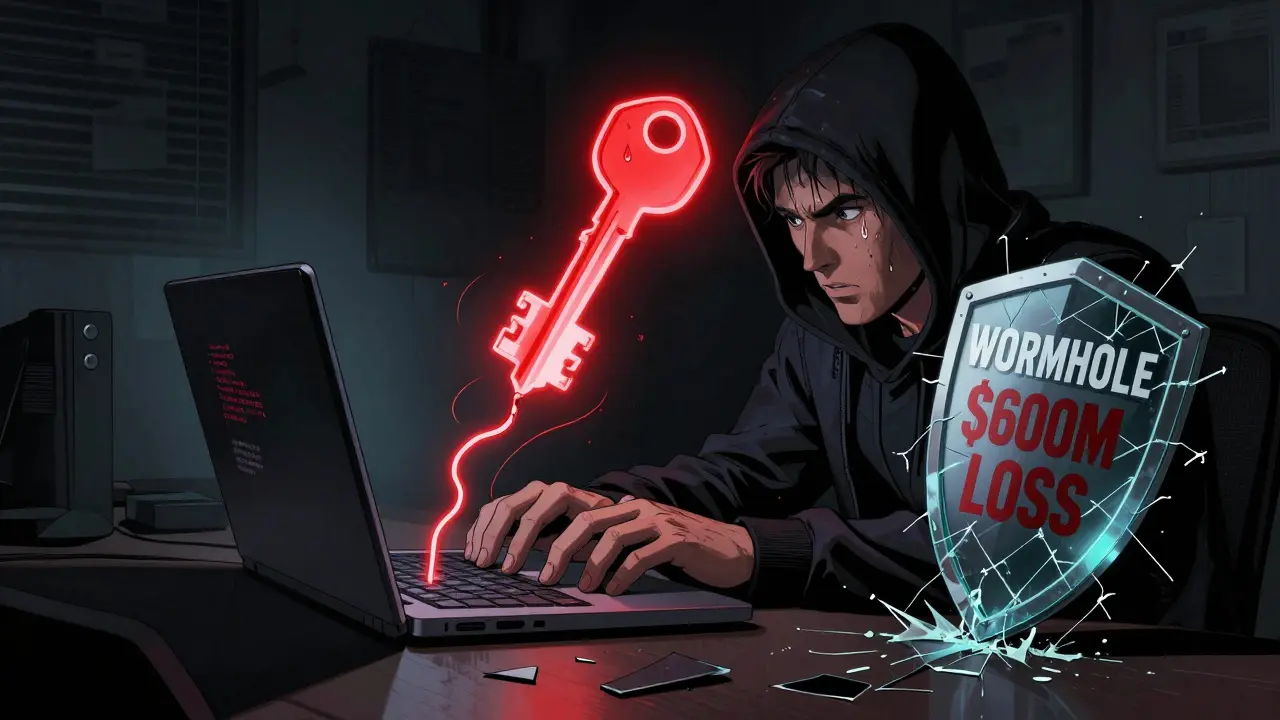
Learn the 2025 best practices for private key storage to protect your cryptocurrency and blockchain assets. Discover why hardware keys, ed25519, and strict policies are non-negotiable for security.
Continue Reading