Stablecoin Venezuela: How Venezuelans Use Stablecoins to Survive Economic Collapse
When your national currency loses 90% of its value in a year, you don’t wait for the government to fix it—you find another way. That’s where stablecoin Venezuela, a digital currency pegged to the U.S. dollar that lets people store value outside the collapsing bolívar. Also known as USD-backed crypto, it’s become the de facto money for millions of Venezuelans who can’t trust their banks or their own currency. Unlike Bitcoin, which swings wildly in price, stablecoins like USDT and USDC hold steady at $1. That’s not speculation—it’s survival.
This isn’t just about trading. It’s about feeding families. People in Caracas use stablecoins to pay for groceries, send money to relatives abroad, or buy medicine that’s no longer available in local pharmacies. They trade them on peer-to-peer platforms like LocalBitcoins or Paxful, often in cash exchanges at street corners or cafés. Some even use them to get paid for remote work—something that’s become essential as local jobs vanish. The Venezuelan government tried to crack down with its own crypto, the Petro, but it’s widely seen as a scam. Meanwhile, stablecoins work because they’re open, global, and don’t need permission to use.
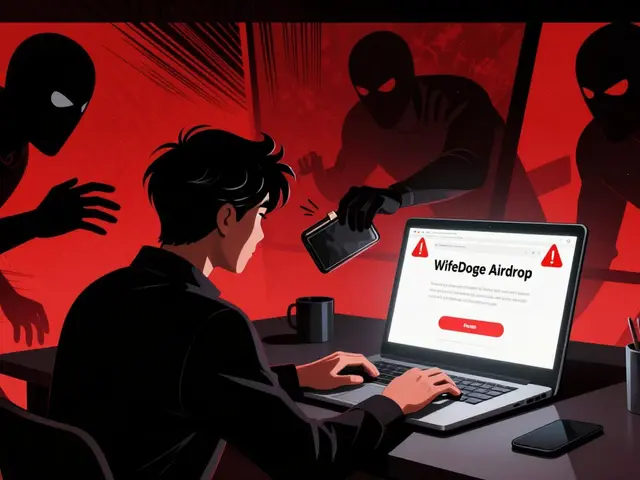
But it’s not risk-free. Scammers target newcomers with fake wallets, fake exchanges, or promises of free tokens. Some users lose everything because they didn’t back up their keys. Others get trapped in illegal gray markets where cash trades turn violent. The government still monitors crypto activity through SUNACRIP, and using stablecoins can draw attention. Still, for many, the risk of using them is smaller than the risk of not using them.
What you’ll find below are real, verified guides on how Venezuelans actually use stablecoins today—not theory, not hype. You’ll see how people avoid scams, where they trade safely, what tools they rely on, and why some projects claiming to help are just another trap. These aren’t abstract crypto stories. These are life-or-death decisions made by real people, and the insights here can help you understand what’s really happening on the ground.
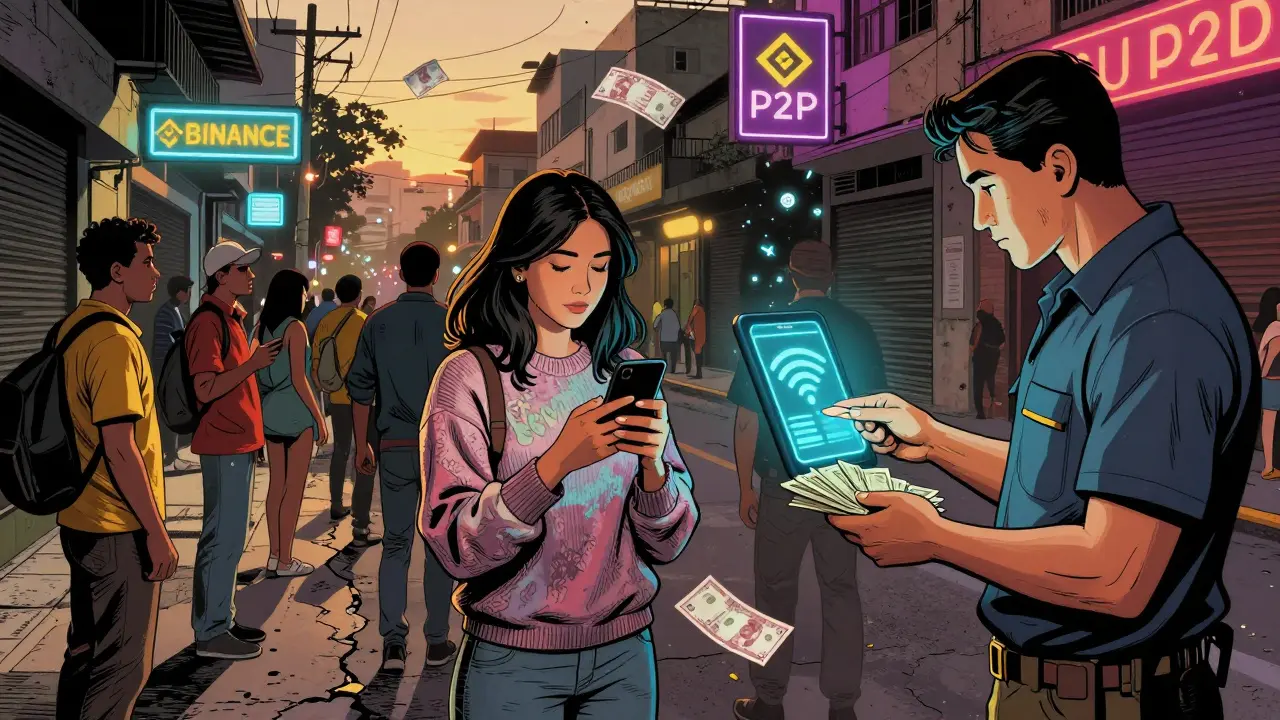
In Venezuela, Bitcoin and USDT have become essential tools for survival amid hyperinflation and a collapsed currency. Millions use crypto daily to buy food, pay rent, and send remittances-bypassing a broken financial system.
Continue Reading