USD1 stablecoin: What It Is, How It Works, and Why It Matters
When you hear USD1 stablecoin, a digital currency designed to maintain a 1:1 value with the U.S. dollar. Also known as USD1, it's one of many stablecoins built to bring the reliability of fiat money into the crypto world. Unlike Bitcoin or Ethereum, which swing wildly in price, USD1 doesn’t try to make you rich overnight—it just wants to keep your money safe while you trade, send, or store value online.
Stablecoins like USD1 are the backbone of crypto trading. Most people don’t buy Bitcoin with cash—they use USD1 or USDT to enter the market. In places like Venezuela, where the local currency is collapsing, people use USD1 to buy groceries, pay rent, or send money home. It’s not magic—it’s just a digital IOU backed by real dollars. And unlike some stablecoins that claim to be fully backed but hide their reserves, USD1 is built for transparency. You don’t need to trust a company—you just need to know the dollars are there.
It’s not the only option. USDT, the most widely used stablecoin, issued by Tether. Also known as Tether, it dominates trading volume but has faced scrutiny over its reserve claims. USD1 steps in as a cleaner, more regulated alternative—especially for users who care about compliance and auditability. It’s not about being the biggest. It’s about being the most trustworthy. And when you’re holding money in a digital wallet, trust matters more than hype.
What you’ll find in these posts isn’t just theory. You’ll see real cases—like how Venezuelans use USD1 to survive hyperinflation, or how traders avoid losses by switching from volatile coins to stable ones before a crash. You’ll also see warnings about fake airdrops pretending to be tied to USD1, or scams that copy its name to trick users. This isn’t a list of crypto get-rich-quick schemes. It’s a collection of what actually works, what’s risky, and what to watch out for when you’re using stablecoins in the real world.
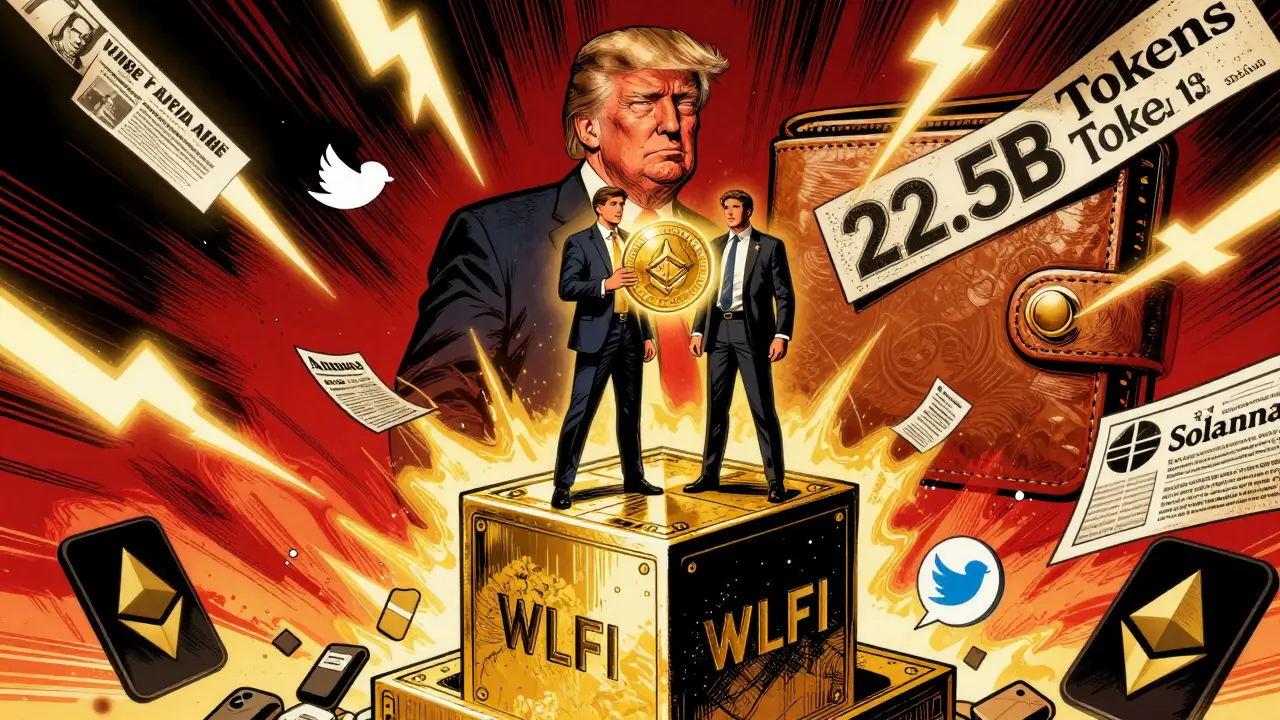
World Liberty Financial (WLFI) is a crypto project tied to the Trump family, featuring a governance token and USD1 stablecoin backed by U.S. Treasuries. Its value is driven by politics, not technology.
Continue Reading