ZetaChain: What It Is, How It Works, and Why It Matters in Crypto
When you hear ZetaChain, a fully omnichain blockchain that enables smart contracts to run natively across any other blockchain. Also known as ZETA Chain, it’s one of the few networks built from the ground up to let apps talk to Bitcoin, Ethereum, Solana, and others without bridges or wrappers. Most blockchains are isolated islands. ZetaChain is the bridge — but not the kind you have to build yourself. It’s built in.
That’s why developers care. If you want to create a DeFi app that lets users deposit ETH and withdraw to Bitcoin, or a game where NFTs from Solana can be used on Polygon, ZetaChain makes it possible without complex cross-chain tech. It uses its own consensus and a novel smart contract model called ZETA token, the native currency used for gas, staking, and governance on the ZetaChain network to power everything. No more relying on third-party bridges that get hacked. No more waiting for liquidity to move between chains. ZetaChain handles it all internally.
It’s not just about tech. Real users benefit too. If you’re trading or staking across multiple chains, ZetaChain cuts out the middleman. You’re not jumping between wallets or paying bridge fees. You’re just using one network that speaks every language. That’s why it’s gaining traction in DeFi, NFTs, and gaming — places where speed and trust matter more than hype.
But here’s the thing: ZetaChain isn’t magic. It’s still new. Adoption is growing, but not everywhere. Some projects are testing it. Others are watching. And like any chain, it has risks — smart contract bugs, centralization concerns, and the usual crypto volatility. But the core idea? It’s one of the most practical solutions to blockchain fragmentation we’ve seen in years.
Below, you’ll find real reviews, breakdowns, and warnings about projects built on or related to ZetaChain. Some are promising. Some are scams pretending to be connected to it. We’ve sorted through the noise so you don’t have to.
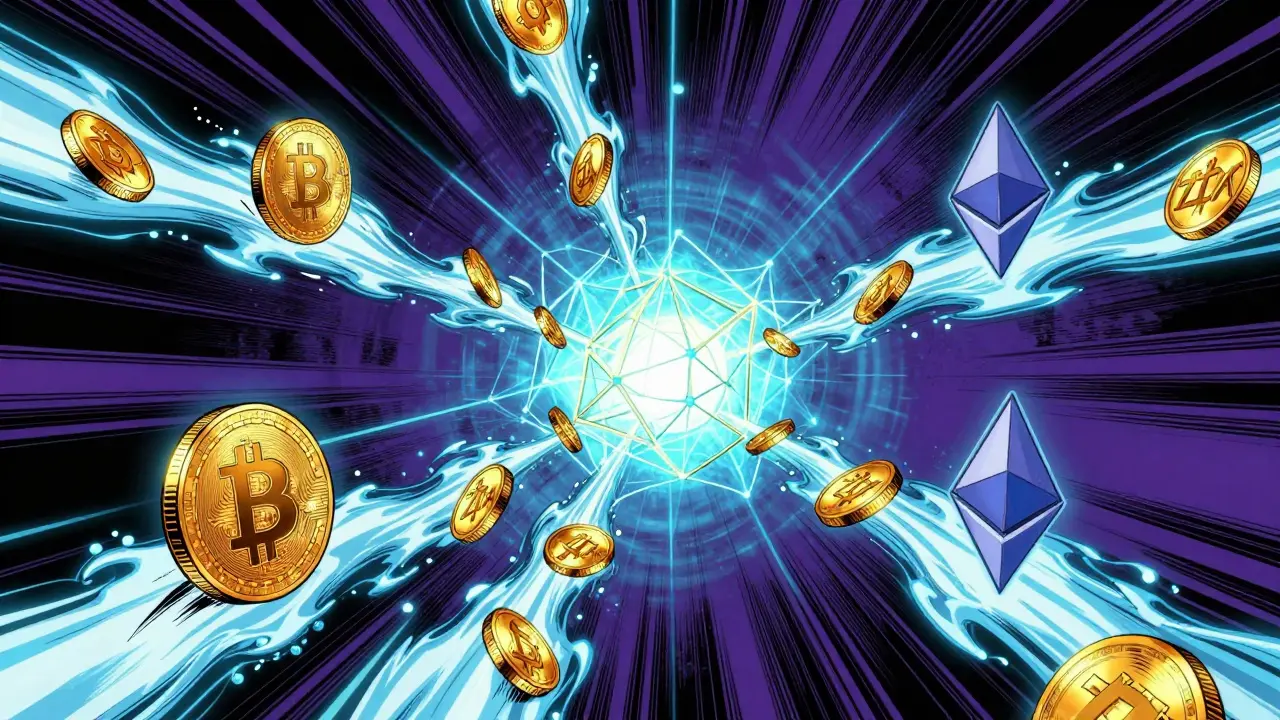
ZetaChain (ZETA) is a universal blockchain that connects Bitcoin, Ethereum, and other chains without wrapped tokens or bridges. Learn how it works, why developers are building on it, and what makes it different from Cosmos, Polkadot, and traditional cross-chain solutions.
Continue Reading