Upbit KYC Violations: Inside the 500,000 Crypto Compliance Cases
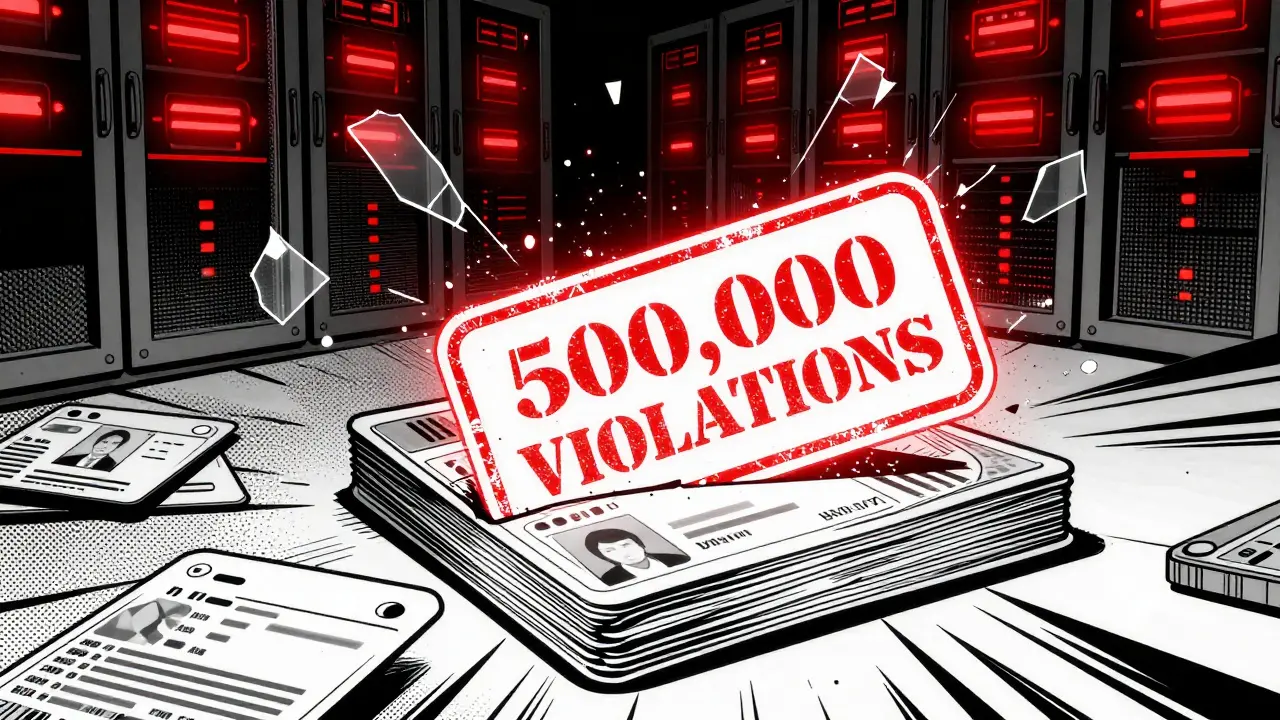
Imagine waking up to find that your entire digital identity verification process was built on shaky ground. That is exactly what happened in late 2024 when South Korea’s Financial Services Commission (FSC) dropped a bombshell on Upbit, the country’s largest cryptocurrency exchange. The regulator didn’t just find a few errors; they uncovered over 500,000 suspected Know Your Customer (KYC) violations. This isn't just bad news for one company-it’s a massive wake-up call for the entire global crypto industry.
If you hold assets on Korean exchanges or follow regulatory trends, this case matters. It shows how quickly regulators can move against even the biggest players when compliance fails. Let’s break down what went wrong, why it matters, and what it means for your crypto future.
The Scale of the Failure
To understand the gravity of the situation, you need to look at the numbers. Upbit, operated by Dunamu, processes billions in daily transactions. It controls roughly 80% of South Korea’s domestic crypto trading volume. When an entity that big fails its basic safety checks, the ripple effects are huge.
The Financial Intelligence Unit (FIU) found these issues during a routine business license renewal review. Here is what they discovered:
- Photocopied IDs accepted: Upbit allowed users to register with copies of identification documents instead of originals.
- Obscured details approved: Accounts were created even when key ID information was blurry or hidden.
- Driving license gaps: In nearly 190,000 cases, Upbit checked personal info but skipped verifying the encrypted serial number required for South Korean driving licenses.
- Missing re-verification docs: Over 9 million instances lacked official ID collection during mandatory re-checks.
These aren't minor clerical errors. They are systematic failures in the core function of preventing money laundering. Under South Korea's Special Financial Transactions Act, exchanges must verify every user rigorously. Upbit missed the mark on half a million occasions.
Why Did This Happen?
You might wonder how a top-tier exchange could miss so many red flags. Experts point to a clash between rapid growth and robust infrastructure. Upbit launched in 2017 and grew fast. To keep up with demand, they may have prioritized speed over strict verification protocols.
Regulatory attorneys note that this suggests inadequate compliance infrastructure rather than isolated mistakes. It’s an organizational issue. When you have millions of users signing up, manual checks become impossible without heavy automation. If that automation is flawed-or if staff cut corners-the system collapses under its own weight.
Additionally, the investigation revealed that Upbit facilitated approximately 45,000 transactions with unregistered foreign exchanges. This directly violates the Act on Reporting and Using Specified Financial Transaction Information. It opens doors for illicit funds to flow in and out of the platform unchecked.

The Penalties and Legal Battle
The stakes are incredibly high. The potential fine is up to 100 million Korean won ($68,600) per violation. Do the math: 500,000 violations could theoretically cost $34 billion. While actual fines are usually negotiated down, the threat alone is staggering.
More immediately impactful is the proposed six-month suspension of new user registrations. This doesn’t shut down existing accounts, but it freezes growth. For a market leader like Upbit, stopping new sign-ups for half a year is a significant blow to revenue and market share.
Dunamu, Upbit’s operator, is fighting back. They filed a lawsuit to challenge the sanctions. As of January 2025, the case remains in active legal proceedings. Regulators say "nothing has been decided yet," indicating ongoing negotiations. This tug-of-war highlights a common theme in crypto regulation: companies often contest findings to buy time and reduce penalties.
| Exchange | Jurisdiction | Violation Type | Penalty/Settlement | Key Outcome |
|---|---|---|---|---|
| Upbit | South Korea | KYC/AML Failures | Proposed 6-mo registration ban | Largest single KYC investigation |
| Binance | United States | Anti-Money Laundering | $4.3 Billion Settlement | CEO resignation, compliance overhaul |
| Coinbase | United States | Unregistered Securities | Ongoing Litigation | Market uncertainty, operational shifts |
Impact on Users and the Market
What does this mean for you, the trader? First, expect anxiety. Reddit threads and Korean crypto forums lit up with concerns about fund accessibility and service interruptions. Many users started moving assets to alternatives like Bithumb or international platforms.
Second, due diligence becomes non-negotiable. You can no longer assume that because an exchange is big, it is safe. The Upbit case proves that size doesn’t guarantee compliance. Traders are now researching exchange regulatory standings more thoroughly than ever before.
Third, costs will rise. Exchanges will invest heavily in upgraded verification systems, multi-layer identity checks, and additional compliance staff. These costs often trickle down to users in the form of higher fees or stricter withdrawal limits.
A Watershed Moment for Global Regulation
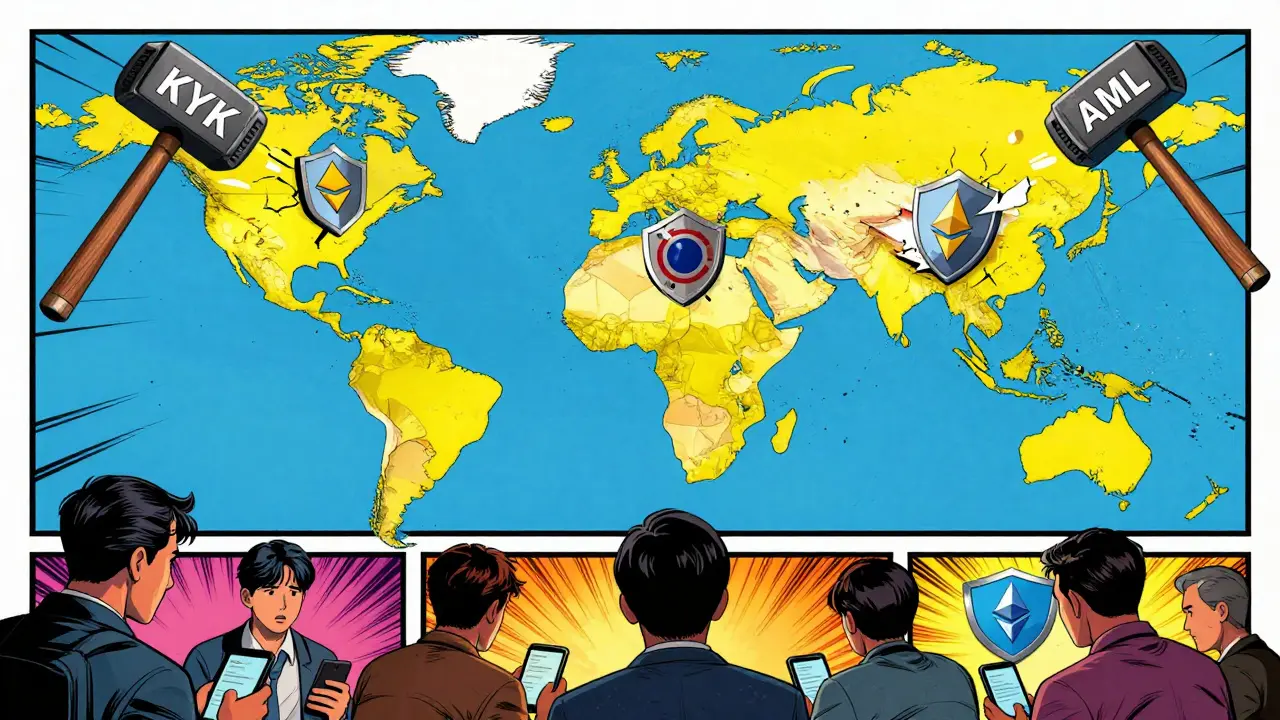
This isn’t just a Korean problem. Industry analysts call this a "stress test" for exchanges worldwide. Other jurisdictions are watching closely. If South Korea enforces strict penalties, Europe, Asia, and potentially the US may follow suit with similar intensive audits.
The precedent set here is clear: regulators have the power and the willingness to dismantle non-compliant operations, even dominant ones. It signals the end of the "wild west" era for crypto. The maturation of digital asset markets requires banking-level standards. Upbit’s failure highlights the gap between current practices and those expectations.
For the industry, this is a painful but necessary lesson. Compliance isn't optional. It’s the foundation of trust. Without it, the entire ecosystem risks being shut down by governments seeking to protect financial integrity.
What Should You Do Now?
If you trade on Upbit or similar platforms, take action. Diversify your holdings. Don’t keep all your eggs in one basket, especially one under regulatory siege. Review your own account status-ensure your KYC documents are current and clear.
Stay informed. Follow updates from the FSC and Dunamu. The final penalty decision will shape the landscape for months to come. Understand that increased security measures might slow down your transactions temporarily. Patience is part of the new normal.
Finally, educate yourself on local regulations. Whether you’re in Seoul, Sydney, or Singapore, knowing the rules protects your assets. The days of anonymous, unverified trading are fading fast. Adapt or risk being left behind.
Will I lose my money if Upbit is penalized?
Not necessarily. The proposed penalty is a suspension of new user registrations, not a shutdown of existing accounts. However, legal battles can cause operational disruptions. It is wise to diversify your holdings across multiple reputable exchanges to mitigate risk.
What are KYC violations?
KYC stands for Know Your Customer. Violations occur when an exchange fails to properly verify a user's identity. This includes accepting fake IDs, missing documents, or skipping mandatory security checks like serial number verification.
How does this affect other crypto exchanges?
It sets a harsh precedent. Regulators globally are likely to increase scrutiny. Exchanges will face higher compliance costs and stricter audits. Users should expect tighter security measures and potentially fewer "anonymous" trading options.
Is Upbit still operating normally?
As of early 2025, Upbit continues to operate for existing users, but new registrations may be suspended pending the outcome of legal negotiations. Always check the latest official announcements from Dunamu for real-time status updates.
Why did Upbit accept photocopied IDs?
Experts suggest this was a systemic failure driven by rapid growth and inadequate compliance infrastructure. Prioritizing user acquisition speed over rigorous verification led to loopholes that allowed insecure document submissions.