Why Pakistan Ranks 3rd-4th in Crypto Adoption Despite Strict Restrictions
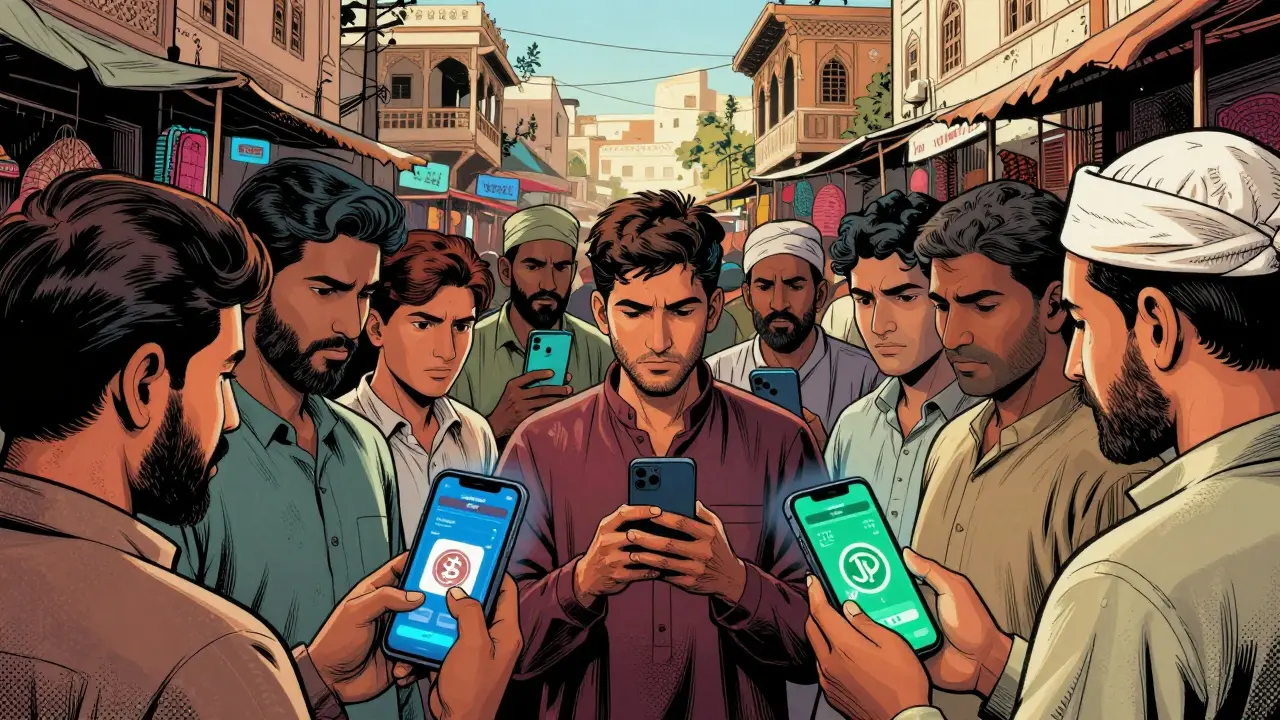
It sounds like a contradiction. How can a country with strict banking rules and frequent internet shutdowns rank among the top four nations globally for cryptocurrency adoption? The answer lies not in speculation, but in survival. For millions of Pakistanis, cryptocurrency is a digital asset used to preserve value against inflation and bypass traditional banking limitations. It isn't just an investment; it's a financial lifeline.
In October 2025, Chainalysis released its Global Crypto Adoption Index, placing Pakistan at number 3 worldwide. This was a massive jump from previous years, putting the nation behind only India and the United States. But if you look at other reports from mid-2025, Pakistan sometimes appears as low as 9th. Why the discrepancy? And more importantly, what does this mean for the average person trying to navigate a system that has swung from outright bans to cautious regulation?
The Numbers Behind the Ranking
To understand the ranking, you have to look at how it’s measured. Chainalysis uses transaction volume data adjusted for purchasing power parity (PPP). This means they don’t just count how many dollars move through the network; they weigh that activity against the local cost of living. In a country where wages are lower but crypto usage is high, every transaction carries more economic weight.
As of 2025, approximately 20 million citizens in Pakistan hold digital assets valued between $20 billion and $25 billion. When you compare this to a total population of 230 million, the penetration rate is staggering. Globally, only about 6.9% of people owned crypto in 2024. Pakistan’s rate is significantly higher, driven by necessity rather than hype.
| Ranking Source | Pakistan Position | Key Metric Used |
|---|---|---|
| Chainalysis Global Adoption Index (Oct 2025) | 3rd | Transaction Volume + PPP Adjustment |
| Alternative Analysis (May 2025) | 9th | Ownership Rates & User Base Size |
This gap between rankings highlights a crucial point: Pakistan isn't leading because everyone owns Bitcoin. It leads because those who do use it, use it intensely. They trade frequently, send money across borders, and store savings in stablecoins. This intensity drives up the PPP-adjusted metrics, pushing Pakistan into the top tier.
From Bans to Regulatory Bodies
The journey hasn't been smooth. As recently as 2018, the State Bank of Pakistan (SBP) declared that digital currencies were not legal tender and prohibited banks from facilitating crypto transactions. For years, users operated in a gray market, relying on peer-to-peer (P2P) platforms and informal networks to buy and sell tokens. Banks would freeze accounts without warning, creating a climate of fear.
But by 2024 and 2025, the tide turned. The government realized that banning crypto wasn't stopping its use; it was just driving it underground. So, they decided to bring it into the light. In July 2025, the Pakistan Virtual Assets Regulatory Authority (PVARA) was established. This body provides the legal clarity that exchanges and investors desperately needed. Alongside PVARA, the Pakistan Crypto Council, led by CEO Bin Saqib, was created to coordinate industry efforts.
This shift didn't happen overnight. It was forced by reality. With traditional banking infrastructure struggling to keep pace with digital demands, and foreign exchange reserves dwindling, the state saw crypto as a potential tool for financial resilience. The creation of these institutions signals a move from prohibition to supervision.

Stablecoins: The Real Driver
If you think Pakistanis are mostly buying Bitcoin to get rich quick, you’re missing the bigger picture. According to Kim Grauer, chief economist at Chainalysis, the surge in adoption is driven by utility. Specifically, stablecoins like USDT (Tether) and USDC are transforming how people manage money.
Why? Because the Pakistani Rupee has faced significant volatility. When your local currency loses value rapidly, holding cash is risky. Stablecoins pegged to the US dollar offer a safe harbor. You can convert your rupees to USDT, hold it in a digital wallet, and protect your purchasing power. It’s simple, effective, and accessible via smartphone.
Remittances are another major factor. Pakistan receives billions of dollars annually from overseas workers. Traditional banking channels charge high fees and take days to process. Crypto transfers, especially using blockchain networks like Tron or Solana, are faster and cheaper. Families receive more of their hard-earned money when they skip the middlemen.
- Inflation Hedge: Citizens use stablecoins to preserve wealth during periods of high inflation.
- Cross-Border Payments: Freelancers and families use crypto to receive international payments with lower fees.
- Financial Access: Unbanked populations can access global financial systems with just a mobile phone.
This utility-focused approach makes the adoption sustainable. It’s not a bubble that will burst when prices drop; it’s a new way of handling daily finances.
Geopolitics and Private Partnerships
Pakistan’s rise in crypto rankings hasn’t gone unnoticed by global players. In 2025, high-level discussions took place involving Finance Minister Muhammad Aurangzeb and Michael Saylor, CEO of MicroStrategy. Saylor’s firm holds over $62 billion in Bitcoin, making him one of the most influential voices in the industry. These talks focused on how Pakistan could leverage crypto for national financial stability.
However, these partnerships come with complexities. In August 2025, the Pakistan Crypto Council signed an agreement with World Liberty Financial, a venture linked to the Trump family. This deal aims to accelerate blockchain adoption in Pakistan. While it brings investment and attention, it also raises questions about conflicts of interest. The involvement of political figures’ relatives in regulatory deals creates a delicate balance between innovation and accountability.
Zach Witkoff, co-founder of World Liberty Financial, secured direct access to top Pakistani officials, including Army Chief Asim Munir and Prime Minister Shehbaz Sharif. This level of access suggests that crypto is now a matter of national security and diplomatic strategy, not just finance. Pakistan is positioning itself to curry favor with anticipated US leadership, hoping to secure favorable terms for future cooperation.

Challenges Remain
Despite the progress, hurdles remain. The regulatory framework is new, and enforcement mechanisms are still being tested. Users worry about whether their funds are truly protected under the new laws. There’s also the issue of education. Many citizens use crypto out of necessity, not understanding the underlying technology. This makes them vulnerable to scams and phishing attacks.
Additionally, the reliance on external private sector partners introduces risks. If these partners prioritize profit over public interest, the benefits might not reach the broader population. The government must ensure that regulations protect consumers, not just corporations.
Internet connectivity issues also persist. Frequent shutdowns or slow speeds can disrupt trading and access to wallets. While crypto is decentralized, accessing it requires a stable connection. Improving digital infrastructure is essential for long-term growth.
What’s Next for Pakistan?
The trajectory looks promising. With a large young population, improving regulatory clarity, and institutional support, Pakistan is well-positioned to maintain its top-10 status. Projections suggest Bitcoin users alone will reach 1.1 billion by 2030. Pakistan is likely to capture a significant share of this growth.
For individuals, the key is to stay informed. Use reputable exchanges, enable two-factor authentication, and understand the risks. Don’t invest more than you can afford to lose. For businesses, explore how blockchain can streamline payments and reduce costs. The tools are here; the question is how wisely they are used.
Pakistan’s story is unique. It shows that even in restrictive environments, people find ways to innovate. Crypto isn’t just a trend here; it’s a response to economic pressure. As regulations mature and technology improves, Pakistan could become a model for other emerging markets facing similar challenges.
Is cryptocurrency legal in Pakistan in 2025?
Yes, as of 2025, cryptocurrency is operating within a regulated framework. The establishment of the Pakistan Virtual Assets Regulatory Authority (PVARA) in July 2025 provides legal clarity. However, it is not considered legal tender, meaning you cannot pay taxes or bills directly with crypto. Transactions must be conducted through licensed entities.
Why did Pakistan rank 3rd in the Chainalysis report?
Pakistan ranked 3rd due to high transaction volumes adjusted for purchasing power parity (PPP). This metric reflects intense usage by a significant portion of the population, particularly for remittances and inflation hedging using stablecoins. The ranking emphasizes economic impact per user rather than just total ownership numbers.
How do stablecoins help Pakistanis?
Stablecoins like USDT allow users to hold value pegged to the US dollar, protecting against local currency inflation. They also facilitate faster, cheaper cross-border remittances compared to traditional banking methods. This utility makes them essential for everyday financial management.
What is the role of the Pakistan Crypto Council?
The Pakistan Crypto Council, led by Bin Saqib, serves as an industry coordination body. It facilitates dialogue between government agencies, private sector participants, and international partners. Its goal is to promote responsible adoption and align crypto initiatives with national economic objectives.
Are there risks associated with crypto adoption in Pakistan?
Yes, risks include regulatory uncertainty, potential scams, and technical vulnerabilities. Users may lack full understanding of blockchain security, making them targets for fraud. Additionally, reliance on external private partners introduces geopolitical and ethical considerations that could affect long-term stability.