AlphaEx Crypto Exchange Review: Is It Legit or a Security Risk?
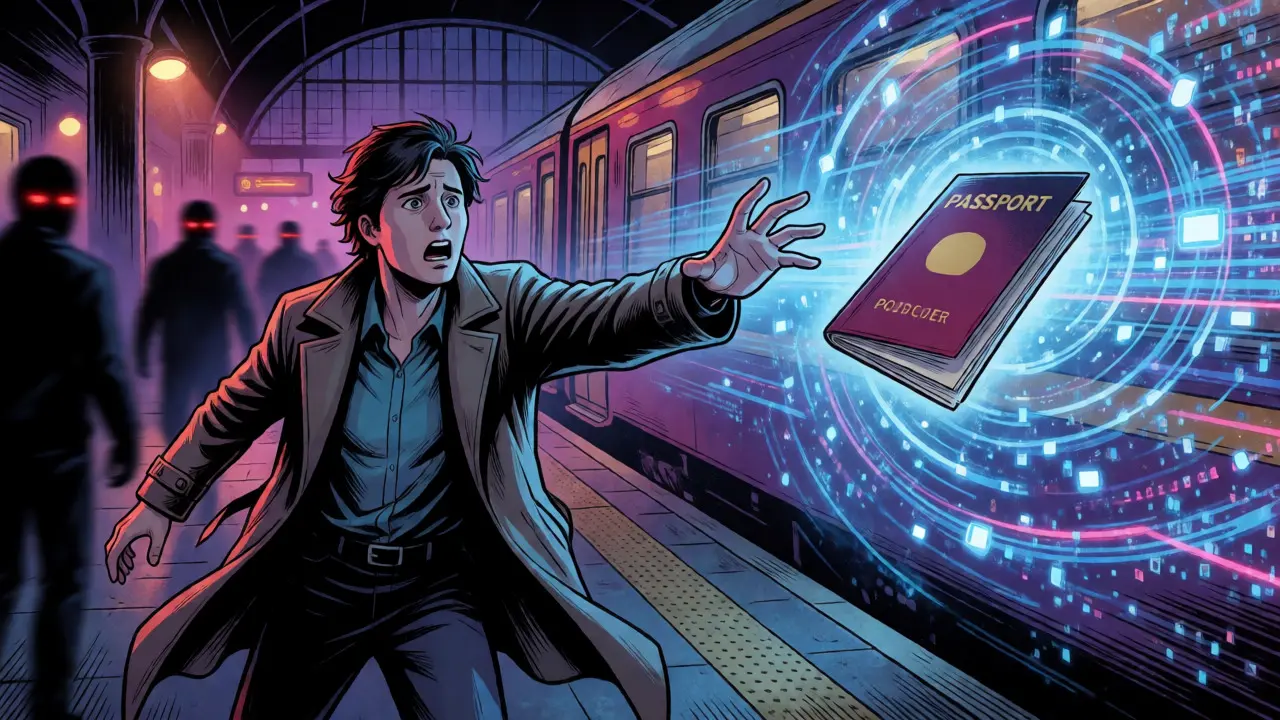
Imagine handing over your passport and driver's license to a stranger who then loses them in a crowded train station. That is essentially what happened with AlphaEx. Once billed as a digital asset exchange, this platform became a cautionary tale for anyone trading cryptocurrencies. If you are searching for an AlphaEx crypto exchange review, the short answer is stark: it is largely defunct, plagued by severe security breaches, and currently presents a high-risk profile for new users.
The situation is confusing because while official records label AlphaEx as a "former" exchange, a website still exists claiming to operate under the XDC Protocol. This contradiction leaves many potential traders wondering if they should engage with the brand or run for the hills. Let’s break down exactly what went wrong, why the current status matters, and what you should do if you have assets or data tied to this name.
The Rise and Fall of AlphaEx
AlphaEx wasn't always a ghost town. It positioned itself as a hub for Bitcoin and digital assets, leveraging the XDC Protocol to promise fast transactions and low fees. For a time, it attracted users looking for alternatives to the big players like Coinbase or Binance. However, behind the scenes, the infrastructure was crumbling.
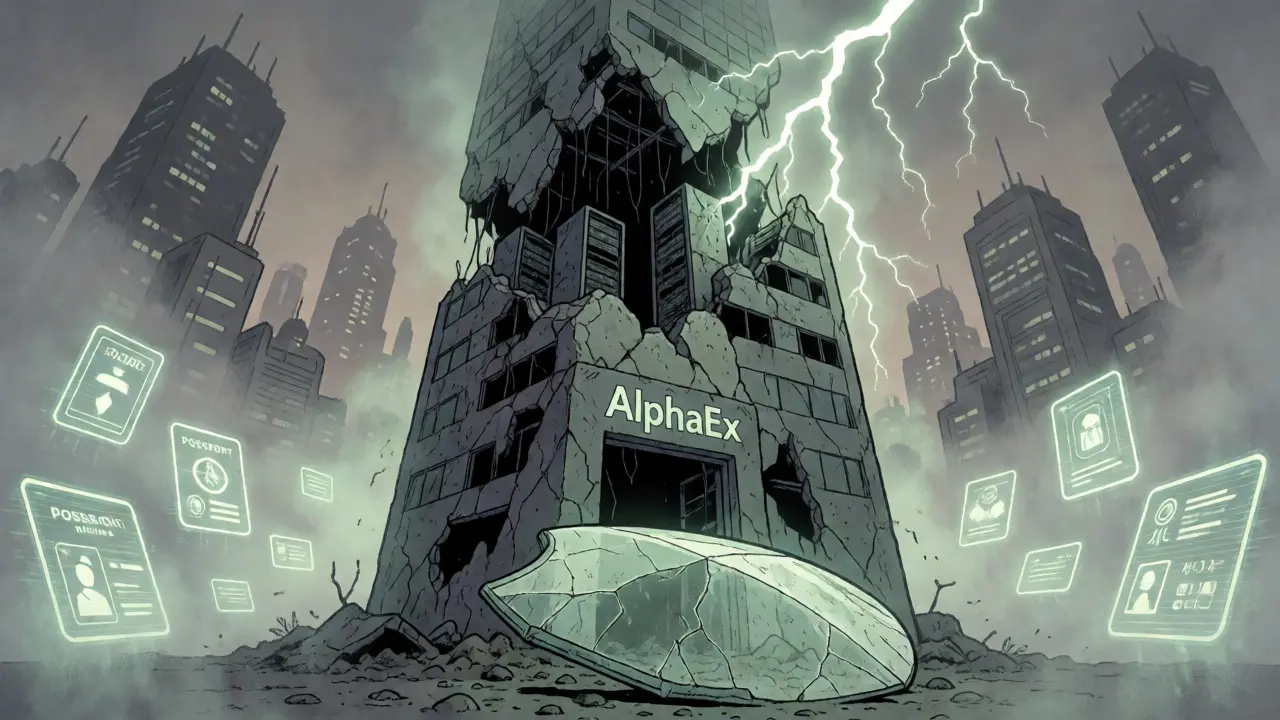
The turning point came when security researchers and identity support services flagged major issues. According to IDCARE, an Australian-based identity and cyber support service, AlphaEx suffered a critical breach that exposed sensitive customer identity information. This wasn't just a minor glitch; it involved a misconfiguration that left over 5,000 identity documents publicly accessible. We are talking about driver licenses, passports, proof of age, and national identity cards.
This incident highlights a fundamental failure in data protection. Proper cryptocurrency exchanges treat Personally Identifiable Information (PII) with the same rigor as private keys. When an exchange fails to encrypt this data at rest and in transit, it violates the most basic standards of the industry. The breach specifically impacted hundreds of citizens in Australia and New Zealand, regions where regulatory scrutiny on crypto platforms has tightened significantly.
Security Breach Details and Impact
Why does a document leak matter so much? You might think losing a copy of your ID is annoying but not catastrophic. In the world of finance, it is dangerous. Exposed identity documents allow bad actors to perform SIM swap attacks, open fraudulent credit accounts, and bypass two-factor authentication methods that rely on personal details.
Industry benchmarks show that compliant exchanges undergo at least two independent security audits annually. These audits check for vulnerabilities in how KYC (Know Your Customer) documents are stored. AlphaEx appears to have skipped these essential steps. The Cloud Security Alliance notes that inadequate protection of KYC documentation is one of the top five causes of exchange failures. In fact, over 68% of breached exchanges had exposed customer identity info beyond just wallet data.
The impact on users was immediate and stressful. Affected individuals reported spending hours changing passwords, monitoring credit reports, and dealing with potential fraud alerts. Unlike a lost password, which you can reset in seconds, compromised identity documents require long-term vigilance. Once your passport number is out there, you cannot get a new one easily without bureaucratic hurdles.
Current Status: Legit Revival or Zombie Site?
Here is where things get murky. If you visit alphaex.net today, you will see a site that claims to be active. It boasts about "cutting-edge information security technologies." But dig deeper, and the cracks show. The domain registration dates back to March 2024, shortly after the breach became public knowledge. This timing suggests the current site might be a rebranding attempt-or worse, a shell operation trying to capitalize on residual traffic from the old brand.
There is no transparency about who owns the current iteration of AlphaEx. No audit history is published. No clear corporate structure is displayed. Compare this to legitimate exchanges like Kraken or Coinbase, which prominently display their security certifications and compliance with regulations like the EU's MiCA framework. The absence of these trust signals is a massive red flag.
Furthermore, AlphaEx is notably absent from the ASIC Digital Currency Exchange Register in Australia. For any exchange operating in that region, registration is mandatory. Its disappearance from this list confirms its status as a non-compliant entity in key markets. Without regulatory backing, users have little recourse if funds go missing again.
Comparing AlphaEx to Industry Standards
To understand how far AlphaEx fell below the bar, let's look at what top-tier exchanges actually do. Security isn't just a buzzword; it's a layered system involving biometric authentication, device management, and 24/7 monitoring.
| Feature | AlphaEx (Historical/Current) | Top-Tier Exchanges (e.g., Coinbase, Kraken) |
|---|---|---|
| Identity Document Security | Breached; exposed 5,000+ docs | Encrypted at rest and in transit; strict access controls |
| Audit Frequency | Unknown/None disclosed | At least two independent audits annually |
| Regulatory Status | Defunct/Unregistered in key markets | Registered with ASIC, FCA, SEC, etc. |
| Cold Storage Ratio | Unknown | >95% of assets in cold storage |
| User Trust Score | Low (Caution List) | High (Verified Reviews) |
The gap is enormous. While leaders in the space invest millions in security infrastructure, AlphaEx failed at the basics. Nicholas Beglinger, CEO of blockchain security firm Halborn, summed it up perfectly: exchanges exposing customer identity documents have failed at cryptocurrency security 101. Proper data handling is non-negotiable.
What Should Former Users Do?
If you were a customer of AlphaEx before the breach, don't ignore the warning signs. The exposure of your identity documents means you are now a target for targeted phishing scams. Scammers know your name, address, and possibly your date of birth. They can craft emails that look incredibly convincing.
- Place Fraud Alerts: Contact credit bureaus like Equifax, Experian, and TransUnion. Most offer free 90-day renewable alerts that warn lenders if someone tries to open credit in your name.
- Change Passwords: If you used a unique password for AlphaEx, change it everywhere else you reused it. Use a password manager to generate strong, unique credentials.
- Monitor Accounts: Keep a close eye on bank statements and crypto wallets. Look for small, unfamiliar transactions that could indicate testing of stolen credentials.
- Consider Credit Freeze: If you notice suspicious activity, consider freezing your credit entirely. This prevents new accounts from being opened without your explicit authorization.
IDCARE reports that affected individuals typically spend 8-12 hours addressing these concerns. It is tedious work, but it protects your financial future.
Is AlphaEx Worth Using Today?
For new traders, the question is simple: should you sign up? Given the lack of transparency, the history of breaches, and the unclear ownership of the current domain, the answer is generally no. There are dozens of other exchanges with proven track records, robust insurance policies, and clear regulatory compliance.
Market consolidation is happening fast. As users flee insecure platforms, giants like Binance, Coinbase, and Kraken are gaining millions of new users. These platforms have the resources to implement multi-layered security frameworks. Choosing a lesser-known exchange saves you maybe a few cents on fees, but risks your entire portfolio and personal identity.
Unless AlphaEx provides concrete evidence of a complete ownership change, third-party verified security overhaul, and regulatory registration, it remains a high-risk option. The trust deficit created by the identity breach is profound. As Jared Grey, CEO of Blockchain Intelligence Group, noted, once identity documents are compromised at scale, the business model is fundamentally broken.
Frequently Asked Questions
Is AlphaEx still operational?
Technically, a website exists at alphaex.net, but it is widely considered defunct or unreliable. Official security agencies classify it as a former exchange due to significant security breaches and lack of regulatory presence. Treat it with extreme caution.
Was AlphaEx hacked?
Yes, AlphaEx suffered a major security breach involving a server misconfiguration. This error exposed over 5,000 customer identity documents, including passports and driver licenses, making them accessible to unauthorized parties.
Did AlphaEx lose user funds?
The primary documented issue was the exposure of identity documents rather than a direct theft of cryptocurrency balances. However, the loss of trust and operational instability often leads to withdrawal issues and indirect financial losses for users.
How safe is the current AlphaEx website?
The current website lacks transparency regarding ownership, audits, and security protocols. Without visible regulatory registrations (such as with ASIC in Australia), it is difficult to verify its legitimacy. Experts recommend avoiding it until clearer proofs of security are provided.
What should I do if I used AlphaEx?
If you previously used AlphaEx, assume your identity data is compromised. Place fraud alerts with credit bureaus, monitor your financial accounts closely, and change any passwords that may have been reused across other platforms.