
Bitzon Crypto Exchange Review: Is It Safe or a Scam? (2026 Guide)
You’ve probably seen an ad for Bitzon crypto exchange popping up on social media or in your email inbox. The promises sound too good to be true: low fees, high returns, and easy access to trade Bitcoin and Ethereum. But here’s the hard truth that most ads won’t tell you: there is almost no credible evidence that Bitzon is a legitimate, regulated cryptocurrency exchange.
If you are looking to move your money into this platform, pause right now. In the world of digital assets, silence from major industry trackers is rarely a good sign. Unlike established names like Coinbase, Kraken, or Binance, which appear everywhere-from regulatory registers to independent audit reports-Bitzon is virtually invisible. This guide isn't just a standard review; it’s a safety check. We will look at why this platform is missing from the data, what risks you face by ignoring those red flags, and how to verify if any new platform is worth your trust.
What is the Quick Summary of the Bitzon Review?
- Visibility: Bitzon does not appear on major exchange aggregators like CoinGecko or CoinMarketCap.
- Regulation: No record of Bitzon being licensed by financial authorities like the FCA, FinCEN, or MAS.
- User Feedback: There are no verified user reviews on trusted platforms like Trustpilot or G2.
- Risk Level: Extremely High. The lack of transparency suggests potential fraud or a non-operational shell site.
- Recommendation: Avoid depositing funds. Use established, audited exchanges instead.
The Mystery of the Missing Exchange
When I evaluate a crypto platform, my first step is always to check the big data aggregators. Sites like CoinGecko is a leading aggregator that ranks exchanges based on trust scores, liquidity, and volume and CoinMarketCap is a comprehensive directory tracking hundreds of active spot and derivatives exchanges list over 200 active exchanges. These lists include tiny, niche platforms with very low trading volumes. If an exchange is real, operational, and processing trades, it shows up there.
Bitzon does not. I have searched through these databases, as well as institutional data providers like Kaiko and CCData, and found zero entries for a "Bitzon" exchange. This absence is significant. It means one of three things is happening:
- It doesn’t exist yet: The brand might be a placeholder for a project that never launched its trading engine.
- It is extremely obscure: It operates so small that it has no measurable market share, making it illiquid and risky.
- It is a scam: Fraudulent sites often use generic names and pop up briefly to collect deposits before disappearing.
- Check the Domain Age: Use a WHOIS lookup tool. If the domain was registered only a few weeks ago, it’s a huge red flag. Legitimate exchanges have domains that are years old.
- Search for "Scam" or "Review": Go to Reddit or Twitter and search "Bitzon scam" or "Bitzon review." If you find nothing, that’s suspicious. Even bad exchanges get complained about. Total silence usually means no real users exist.
- Verify the Company Name: Look at the footer of their website. Find the legal entity name. Search that name in your local business registry (like Companies House in the UK or Secretary of State records in the US). If it doesn’t exist, walk away.
- Test Customer Support: Send them a detailed question. Do they reply with a generic bot message? Do they ignore you? Real exchanges have support teams that respond within hours, not days.
In the crypto industry, opacity is a danger signal. Legitimate businesses want visibility because it builds trust. When a platform hides from public scrutiny, you should assume the worst until proven otherwise.
Historical Context: Was Bitzon Ever Real?
To understand where this name comes from, we have to look back a few years. Around 2018-2019, during the peak of the Initial Coin Offering (ICO) boom, a project named Bitzon appeared on several ICO rating sites like ICOBench. However, this was not an exchange. It was pitched as a blockchain-based e-commerce marketplace-a decentralized store for goods, not a venue for trading cryptocurrencies against each other.
That project faded into obscurity without becoming a major player. Today, if someone is using the name "Bitzon" to sell you a crypto trading experience, they are either reviving a dead brand or impersonating it. There is no continuity between that old marketplace concept and a modern centralized exchange. This disconnect makes it even harder to verify who is actually running the current site.
Red Flags: Why You Should Be Cautious
Let’s break down the specific reasons why Bitzon fails basic due diligence checks. If you are considering signing up, compare these points against what the platform promises you.
| Criteria | Established Exchanges (e.g., Kraken, Coinbase) | Bitzon (Current Status) |
|---|---|---|
| Regulatory Licensing | Listed in registries like FCA, FinCEN, or MAS | No record found in any major financial registry |
| Proof of Reserves | Regularly publish Merkle tree audits | No public audit or reserve data available |
| User Reviews | Thousands of reviews on Trustpilot/G2 | Zero verified reviews on major platforms |
| Technical Transparency | Public API docs, GitHub repositories | No developer documentation or code presence |
| Media Coverage | Covered by CoinDesk, The Block, Cointelegraph | No coverage in reputable crypto news outlets |
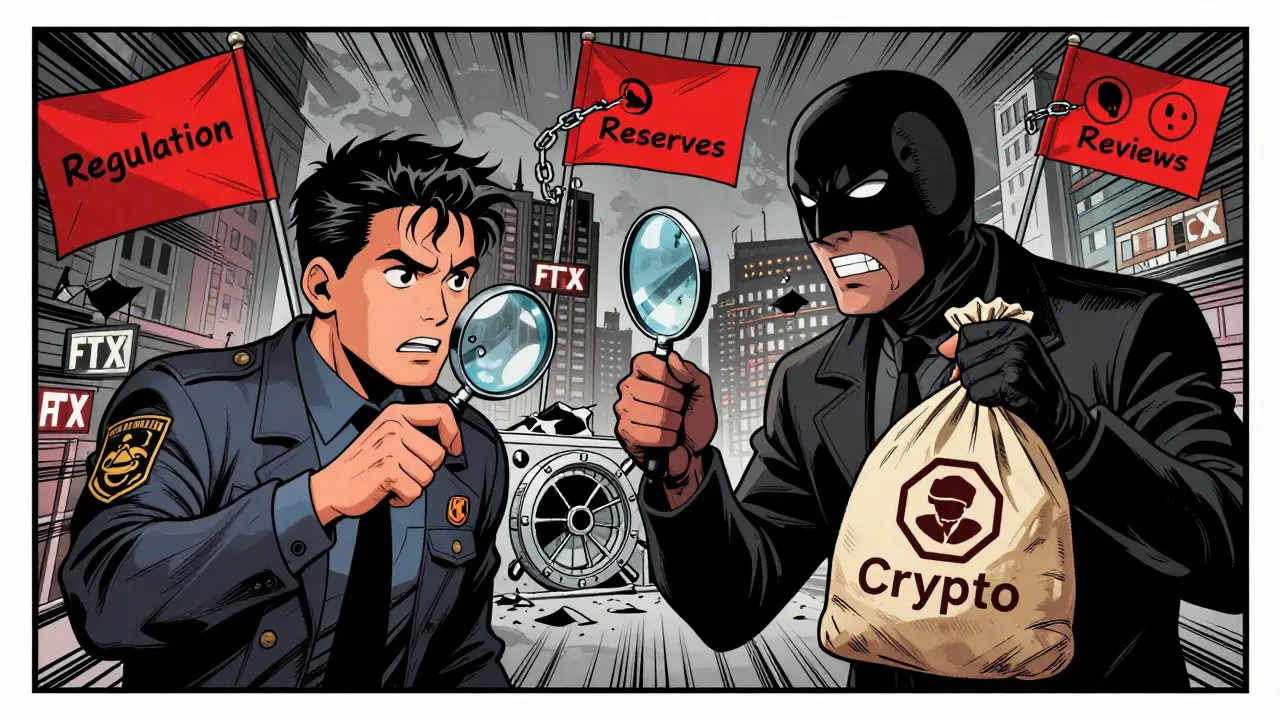
Notice the pattern? Every pillar of trust is missing. Regulatory licensing protects your funds if something goes wrong. Proof of reserves ensures they actually hold the crypto they claim to have. User reviews provide social proof that withdrawals work. Without any of these, you are gambling, not investing.
The Risk of Unregulated Platforms
Why does regulation matter so much? Because the crypto industry has seen some catastrophic failures. Remember FTX? It collapsed in November 2022, leaving millions of customers unable to withdraw their funds. Before that, QuadrigaCX failed in 2019 when its CEO died, revealing massive mismanagement of client assets. These weren’t small shops; they were giants.
Financial regulators like the U.K.’s Financial Conduct Authority (FCA) and the U.S. Financial Crimes Enforcement Network (FinCEN) maintain lists of registered entities. Being on these lists doesn’t guarantee safety, but it does mean the company has submitted to some level of oversight. Bitzon is not on these lists. This implies it is operating in a legal gray area, likely offshore, with no recourse for you if they freeze your account or disappear.
Scammers often target new investors by creating websites that look professional. They use stock photos, copy-paste terms of service, and promise high yields. But they lack the backend infrastructure of a real exchange. They don’t have deep liquidity pools, so when you try to sell a large amount of Bitcoin, the price crashes instantly, or worse, the withdrawal button simply stops working.
How to Verify Any Crypto Exchange Yourself
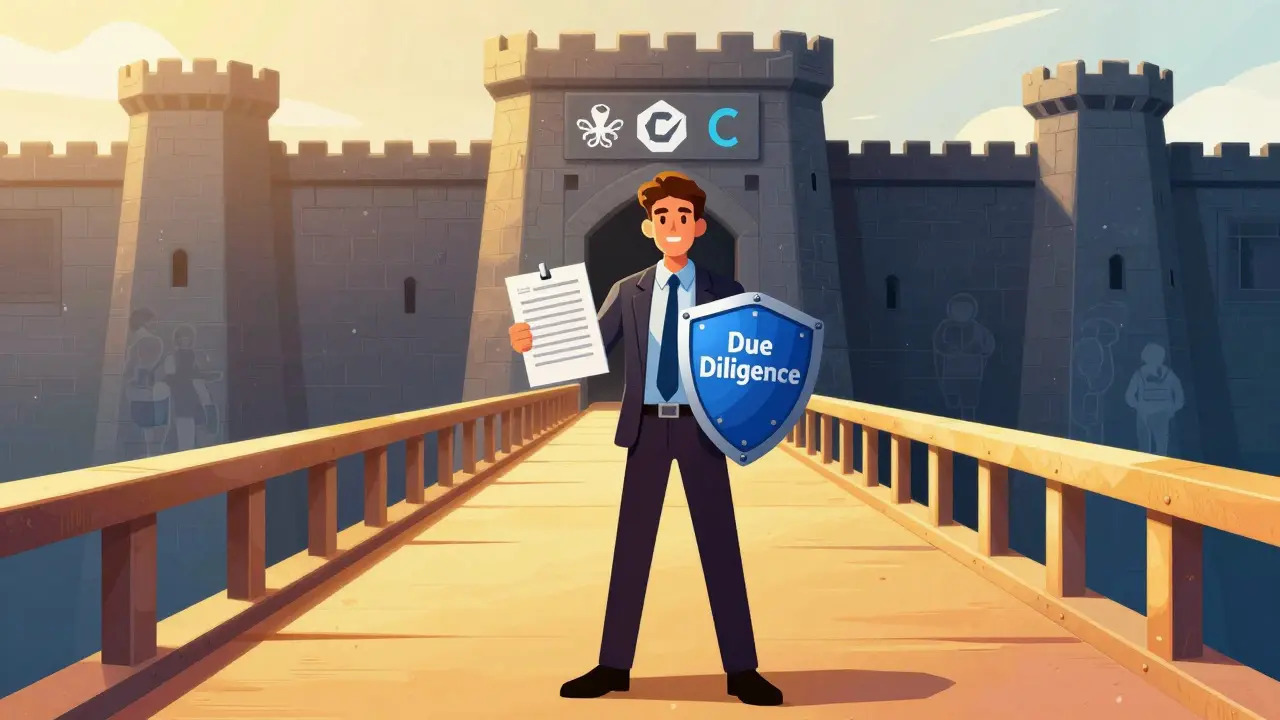
You don’t need to be a tech expert to spot a fake exchange. Here is a simple checklist I use whenever I encounter a new platform. Apply this to Bitzon or any other obscure site.
Better Alternatives for Trading in 2026
Instead of risking your capital on an unverified platform, consider using exchanges that have stood the test of time. The market is concentrated, and for good reason. The top five exchanges handle the majority of global volume because they offer security, liquidity, and reliability.
Kraken is a veteran exchange founded in 2011 known for strong security practices and transparent proof-of-reserves remains a top choice for serious traders. It offers a wide range of coins and competitive fees. Coinbase is a publicly traded U.S.-based exchange that prioritizes regulatory compliance and ease of use is ideal for beginners who want peace of mind. For those interested in advanced trading features, Binance is the largest exchange by volume, offering extensive trading pairs and derivatives provides deep liquidity, though users should be aware of its complex regulatory landscape across different regions.
These platforms are listed on every major tracker, have thousands of user reviews, and publish regular security audits. You can trade knowing that your funds are backed by real assets and protected by established protocols.
Final Thoughts on Bitzon
The bottom line is simple: there is no evidence that Bitzon is a safe or legitimate place to trade your cryptocurrency. The lack of presence on CoinGecko, CoinMarketCap, and regulatory registries is not an oversight; it’s a warning. In an industry where scams are rampant, due diligence is your best defense.
Don’t let flashy ads or promises of easy profits cloud your judgment. Stick to platforms that have earned their reputation through years of transparent operation. Your money is hard-earned; protect it by choosing exchanges that respect your security as much as you do.
Is Bitzon a scam?
While we cannot definitively label it a scam without a court ruling, Bitzon exhibits all the characteristics of a fraudulent or high-risk operation. It lacks regulatory licenses, has no user reviews, and is absent from major exchange trackers. The risk of losing your funds is extremely high.
Why isn't Bitzon on CoinGecko or CoinMarketCap?
CoinGecko and CoinMarketCap require exchanges to meet strict criteria regarding volume, legitimacy, and transparency. Bitzon’s absence suggests it either does not process real trades, has negligible volume, or failed to provide the necessary documentation to be listed.
Can I withdraw money from Bitzon?
There are no verified reports of successful withdrawals from Bitzon. On unregulated platforms, withdrawal issues are common. Once you deposit funds, you may find yourself unable to access them due to hidden fees, forced "verification" demands, or the site shutting down entirely.
What should I do if I already deposited money into Bitzon?
If you have deposited funds, attempt to withdraw immediately. Document all transactions and communications. Report the incident to your local financial regulator and consider filing a report with cybercrime units. Unfortunately, recovery from unregulated offshore entities is often difficult.
Are there any legitimate alternatives to Bitzon?
Yes. Established exchanges like Kraken, Coinbase, Binance, and Crypto.com offer secure, regulated environments for trading. They provide proof of reserves, customer support, and are widely reviewed by the community. Always choose platforms with a long track record of transparency.