Collateralization Risk Management: A Blockchain Guide for 2026
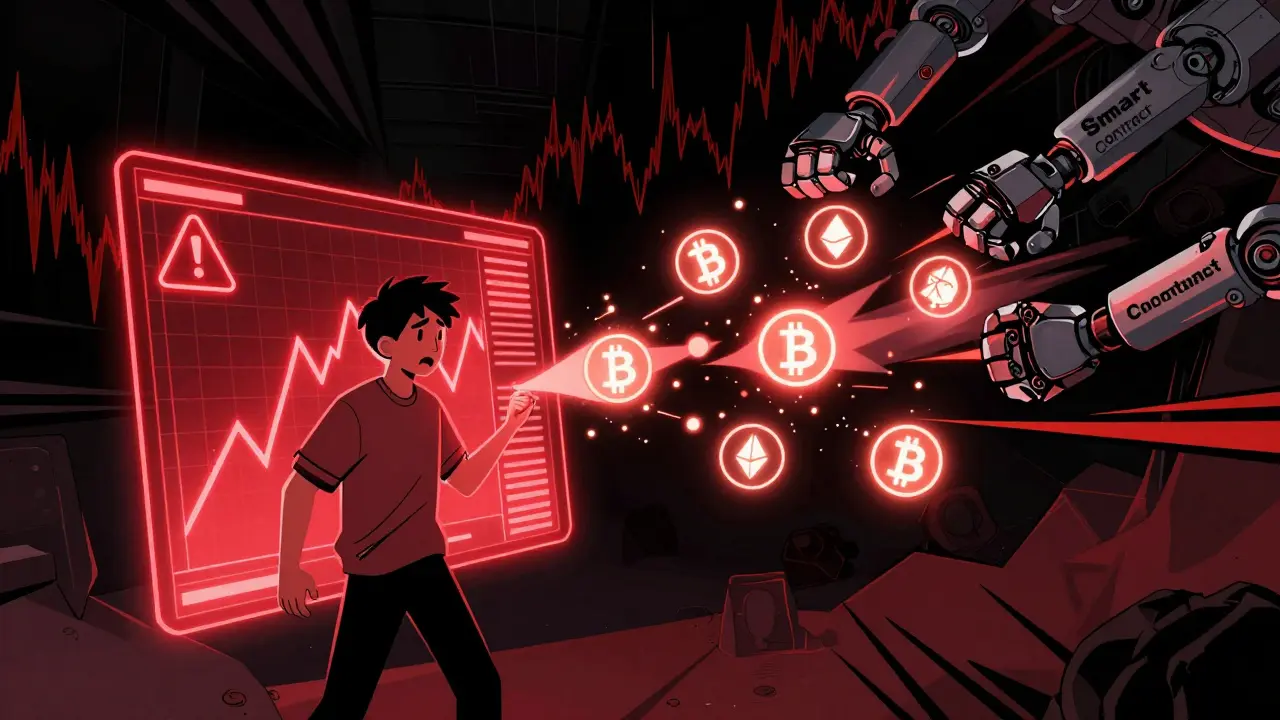
Imagine you lock up your Bitcoin in a decentralized finance (DeFi) protocol to borrow stablecoins. The market takes a sudden dip. Your loan-to-value ratio spikes. Within minutes, an automated system sells your crypto at a discount to cover the debt. You didn’t just lose interest; you lost your entire position. This is collateralization risk management in its rawest form.
In traditional banking, this process involves lawyers, phone calls, and days of paperwork. In the world of blockchain, it happens in seconds, governed by code. As we move through 2026, the line between institutional finance and on-chain protocols has blurred. Understanding how collateral works, why it fails, and how to manage that risk isn't just for traders anymore-it's essential for anyone holding digital assets.
The Core Mechanics of On-Chain Collateral
At its heart, collateralization is simple: you pledge an asset to secure a liability. But on the blockchain, the mechanics are rigid and unforgiving. Unlike a bank officer who might call you if your house value drops slightly, a smart contract is self-executing code that enforces terms without human intervention does not negotiate.
When you deposit assets into a lending protocol like Aave or Compound, you are entering a bilateral agreement with the code. The system constantly monitors the value of your collateral against your debt using real-time price feeds. If the value of your collateral falls below a specific threshold-the liquidation threshold-the contract triggers a sale. This is known as a liquidation event.
Two key metrics define this relationship:
- Loan-to-Value (LTV): The maximum percentage of your collateral’s value you can borrow. For example, an 80% LTV means for every $100 of ETH deposited, you can borrow up to $80.
- Liquidation Threshold: The lower limit where your position becomes unsafe. If your collateral value drops such that your debt exceeds this percentage, you face liquidation.
Traditional finance uses "haircuts"-discounts applied to asset values based on volatility. On-chain protocols bake these haircuts directly into their LTV parameters. Volatile assets like meme coins often have low LTVs (sometimes under 50%), while stablecoins and blue-chip assets like BTC enjoy higher ratios.
Why Traditional Models Fail on Blockchain
You might think that because everything is transparent on the blockchain, risk is lower. It’s actually the opposite in many ways. The speed of execution removes the friction that sometimes protects borrowers in traditional markets. There is no grace period. There is no negotiation.
One major issue is oracle dependency. Smart contracts cannot see the outside world. They rely on oracles are services that provide external data, such as asset prices, to blockchains to know what your collateral is worth. If an oracle provides stale or manipulated data, the protocol makes decisions based on incorrect information. We’ve seen instances where flash loans were used to manipulate the price of a token on a small liquidity pool, tricking the oracle into showing a inflated price. Borrowers then borrowed more than they should have, only to be wiped out when the true price returned.
Another challenge is slippage during liquidations. In a calm market, selling $10,000 worth of ETH is easy. During a crash, there may not be enough buyers. The liquidator sells your collateral, but because of high sell pressure, the price drops further as they execute. You get less back than expected, and the protocol might even end up with a loss if the collateral is illiquid.
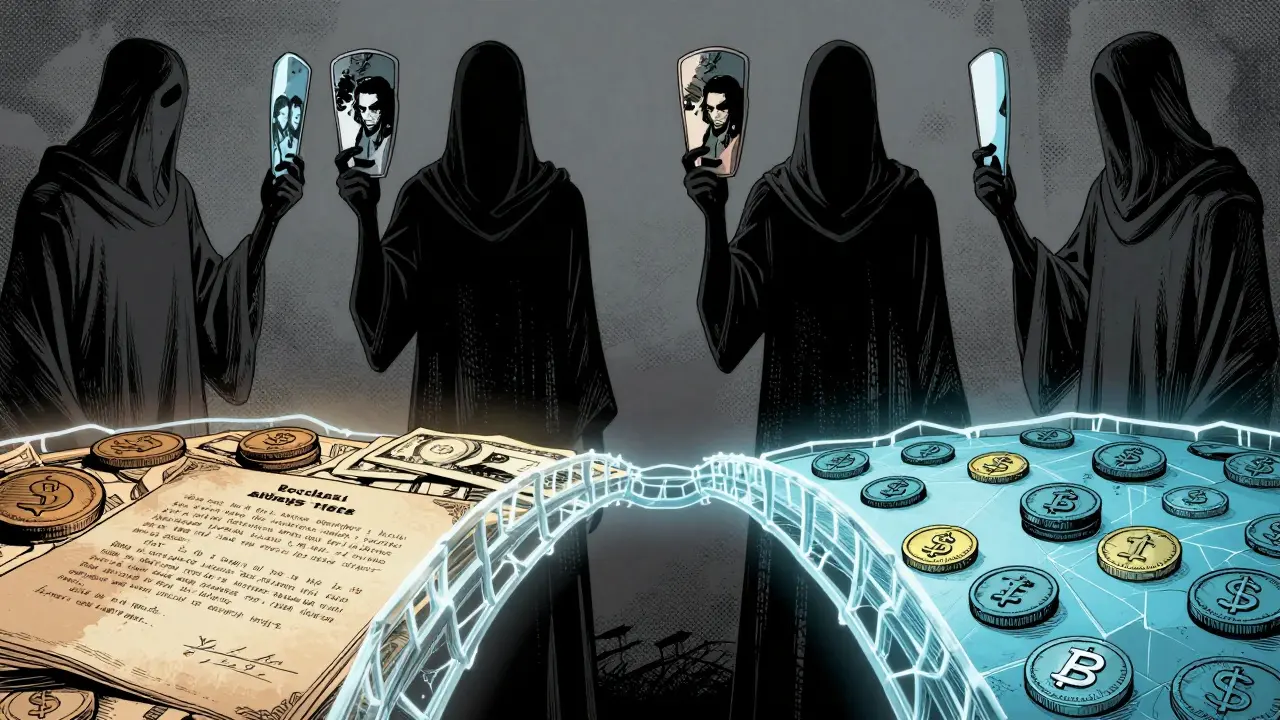
Key Risks in Collateral Management
To manage risk effectively, you need to identify where things can go wrong. Here are the primary risks facing users and protocols in 2026:
| Risk Type | Description | Mitigation Strategy |
|---|---|---|
| Market Volatility | Sudden price drops trigger liquidations before users can react. | Maintain low LTV ratios; use over-collateralized positions. |
| Oracle Failure | Price feeds become inaccurate due to manipulation or downtime. | Use protocols with decentralized oracle networks (e.g., Chainlink). |
| Smart Contract Bugs | Code vulnerabilities allow hackers to drain collateral pools. | Stick to audited, battle-tested platforms; check bug bounty programs. |
| Illiquidity | Collateral cannot be sold quickly without significant price impact. | Avoid niche tokens; prefer high-volume assets like BTC or ETH. |
| Rehypothecation | Protocols lend out your collateral again, increasing systemic risk. | Understand protocol mechanics; choose non-rehypothecating vaults. |
The Role of Tokenization and Real-World Assets
In 2026, collateral is no longer just Bitcoin and Ethereum. The rise of Real-World Asset (RWA) tokenization has introduced bonds, real estate, and treasury bills onto the blockchain. This changes the risk profile significantly.
Tokenized US Treasuries, for instance, offer yield and stability. However, they introduce legal and counterparty risk. If the entity holding the physical bond goes bankrupt, does your token still have value? On-chain collateral management now requires verifying not just the code, but the off-chain legal structure backing the asset.
This hybrid model creates a new layer of complexity. Protocols must assess creditworthiness not just via algorithmic price feeds, but through traditional credit ratings mapped onto the chain. This is where tokenization is the process of converting rights to an asset into a digital token on a blockchain meets old-world finance. The benefit is accessibility; the risk is opacity. Ensure you understand who holds the underlying asset and how redemption works.

Strategies for Effective Risk Management
How do you protect yourself? First, never max out your borrowing power. Just because a protocol allows an 80% LTV doesn’t mean you should use it. Aim for a conservative LTV, perhaps 30-40%, to create a buffer against volatility. This is your first line of defense.
Second, diversify your collateral types. Don’t put all your eggs in one basket. Using a mix of stablecoins, ETH, and BTC can help balance risk. Stablecoins don’t fluctuate wildly, providing stability, while crypto assets offer potential upside. However, beware of stablecoin de-pegs. Even "stable" assets can fail, as seen in past market crashes.
Third, monitor your positions actively. Use dashboards and alerts. Many wallets now offer push notifications when your health factor drops below a certain level. Set these alerts early. Reacting in the last minute often leads to panic selling or missing the window entirely.
Finally, understand the liquidation penalty. Most protocols charge a fee to liquidators to incentivize them to clean up bad debts. This fee comes out of your collateral. Read the fine print. Know exactly how much you will lose if you get liquidated.
Future Trends: Automation and AI Integration
The future of collateral management is automated. Artificial intelligence is beginning to play a role in predicting market movements and adjusting collateral requirements dynamically. Imagine a protocol that automatically adjusts your LTV based on predicted volatility, rather than static rules. This could prevent unnecessary liquidations during temporary dips while protecting the protocol during sustained crashes.
We are also seeing the rise of cross-chain collateral. Assets from one blockchain can be used as collateral on another through bridge mechanisms. While this increases efficiency, it introduces bridge risk. If the bridge is compromised, your collateral is gone. Stick to trusted, decentralized bridges or native multi-chain protocols.
As regulations tighten globally, expect more KYC (Know Your Customer) requirements for large-scale collateral operations. Institutional players are entering the space, bringing stricter compliance standards. For retail users, this might mean fewer anonymous options but greater security and recourse in case of fraud.
What happens if I get liquidated?
If your collateral value drops below the liquidation threshold, the protocol automatically sells your assets to repay your debt. You lose the remaining collateral after the debt and liquidation fees are paid. In severe cases, you may lose your entire position.
Is over-collateralization safe?
Over-collateralization reduces the risk of liquidation but does not eliminate it. Extreme market events, oracle failures, or smart contract bugs can still lead to losses. It is a risk mitigation strategy, not a guarantee.
Can I use NFTs as collateral?
Yes, some specialized platforms allow NFTs as collateral. However, NFTs are highly illiquid and volatile in valuation. Liquidating an NFT can take time, and you may receive far less than its listed price. Proceed with caution.
How do oracles affect my collateral?
Oracles provide the price data that determines your collateral’s value. If an oracle is slow or manipulated, your position may be liquidated incorrectly or you may be able to borrow too much. Always check which oracle network a protocol uses.
What is rehypothecation risk?
Rehypothecation occurs when a lender uses your collateral as security for their own borrowing. If the lender defaults, your collateral may be at risk. In DeFi, this is common in leveraged trading protocols but less so in basic lending markets.