
Egypt Crypto Jail Time: Imprisonment Penalties for Promotion
Imagine posting a tweet about Bitcoin in Cairo and waking up to a police visit. In most countries, this is a social media mishap. In Egypt, it can land you in prison. The Law No. 194 of 2020 established one of the harshest regulatory environments for digital assets globally, imposing strict imprisonment penalties for crypto promotion in Egypt. If you are marketing a blockchain project, running an ad for an exchange, or even explaining staking rewards to a friend, you might be breaking the law.
This isn't just a theoretical risk. The Central Bank of Egypt (CBE) explicitly prohibits issuing, trading, or promoting cryptocurrencies without prior authorization. Violators face a dual penalty: imprisonment and fines ranging from one million to ten million Egyptian pounds. For a marketer or entrepreneur, the stakes are incredibly high. You aren't just risking a fine; you're risking your freedom.
The Legal Framework Behind the Ban
Egypt’s stance on cryptocurrency didn't appear overnight. It evolved from cautious warnings in 2018 to hard legal prohibitions by 2020. The core of the issue lies in monetary sovereignty. The CBE views decentralized currencies as threats to national financial stability because they lack tangible asset backing and central oversight. Consequently, any activity that encourages public investment in these unregulated assets is treated as a serious offense.
Law No. 194 of 2020 amended the Banking Law to explicitly ban virtual assets. This law gives teeth to previous warnings. It states that anyone who violates the prohibition on crypto activities shall be imprisoned and fined. The flexibility in sentencing-allowing courts to choose between imprisonment, fines, or both-creates uncertainty but ensures severe consequences for those found guilty.
The Egyptian Financial Regulatory Authority (FRA) plays a critical enforcement role here. They monitor online platforms and social media channels for unauthorized solicitation of investments. If you run a website promising returns on crypto investments without an FRA-approved prospectus, you are operating illegally under Capital Market Law No. 95 of 1992, Article 4.
What Counts as "Promotion"?
You might think only big exchanges get in trouble. Think again. The definition of "promotion" in Egyptian law is broad and inclusive. It covers:
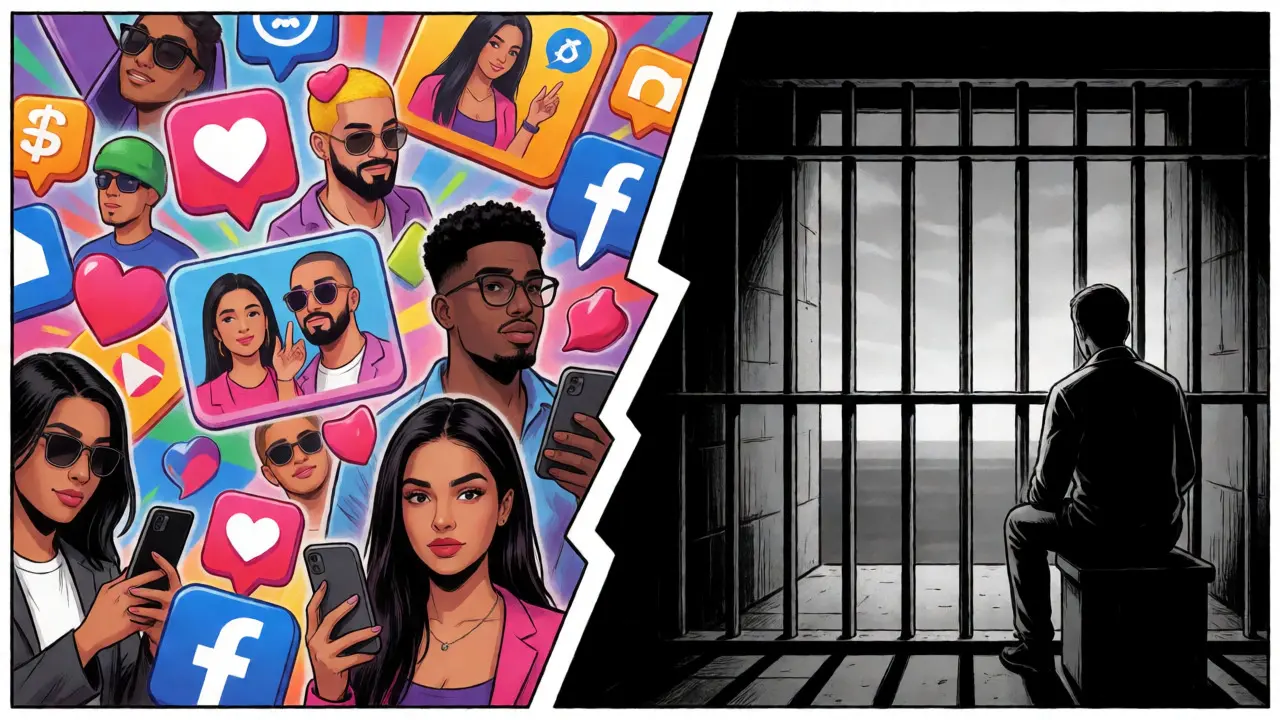
- Advertising: Paid ads on Facebook, Instagram, or local websites targeting Egyptian users.
- Social Media Marketing: Influencers endorsing crypto projects or wallets.
- Content Creation: Blog posts or videos that actively solicit public investment rather than just educating.
- Service Offering: Providing staking, lending, or NFT services without a CBE license.
The distinction between education and promotion is thin. Explaining what Bitcoin is? Likely safe. Telling people to buy Bitcoin through a specific platform because it will make them money? That's promotion. The FRA maintains a "negative list" of unlicensed entities. If your brand appears there, you are a target.
Penalties: Prison and Massive Fines
Let's look at the numbers. The penalties are designed to deter not just large corporations but also individual promoters. Here is how the punishment breaks down under the current framework:
| Penalty Type | Details | Estimated USD Value* |
|---|---|---|
| Imprisonment | Mandatory sentence for violation of Law No. 194 | N/A (Loss of liberty) |
| Minimum Fine | LE 1,000,000 | ~$32,000 |
| Maximum Fine | LE 10,000,000 | ~$320,000 |
| Alternative Penalty | Court may impose either imprisonment OR fine | Varies |
The maximum fine alone could bankrupt a small startup. Add potential jail time, and the risk becomes existential for many entrepreneurs. Courts have discretion, but given the government's emphasis on financial stability, leniency is rare for repeat offenders or prominent figures.
The Paradox: High Adoption, Low Legality
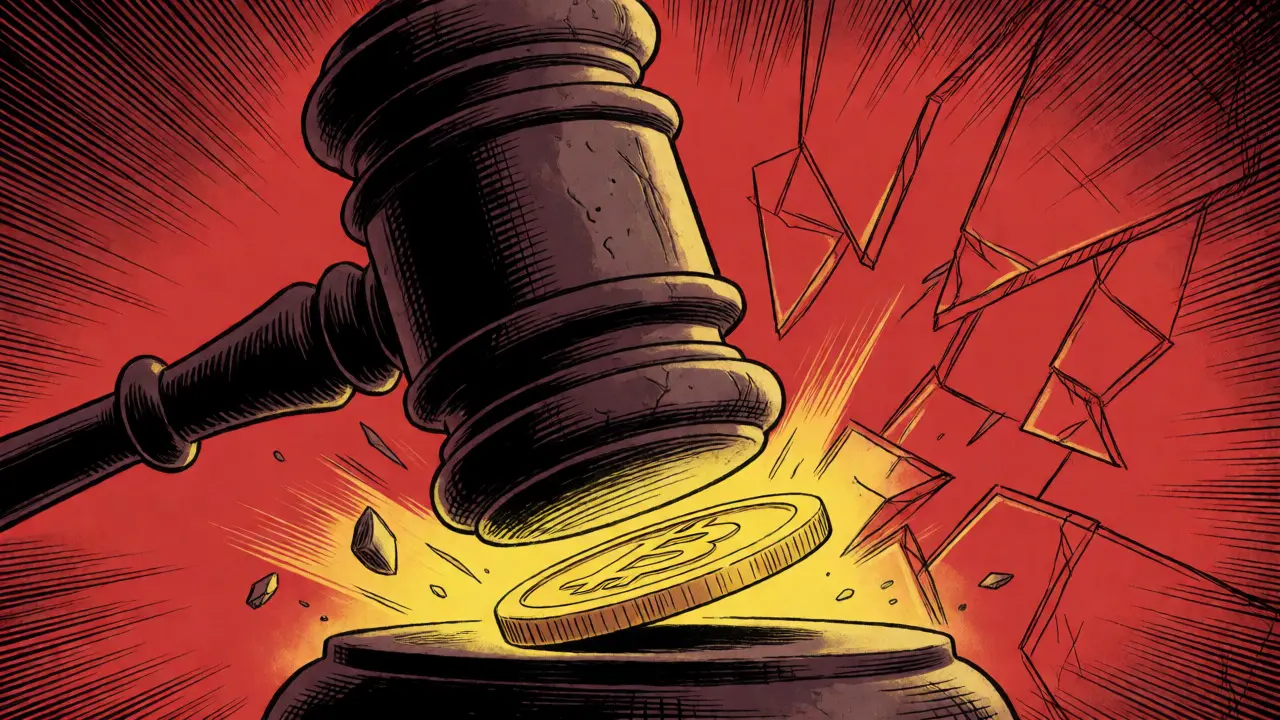
Here is the twist: despite these harsh laws, Egyptians love crypto. According to a TripleA report, Egypt ranked second among Arab countries in crypto ownership, with nearly 1.8 million owners. Some estimates suggest up to 3 million Egyptians hold digital assets. How do they survive if promotion is illegal?
Most individuals trade peer-to-peer or use offshore exchanges that don't actively market to the Egyptian public within the country. The law targets the *supply side*-the businesses and marketers bringing crypto to the masses-not necessarily the private holder buying coins on their phone. However, if an Egyptian influencer starts a YouTube channel specifically encouraging viewers to invest in a new token, they cross the line into promotion.
This creates a gray area. Enforcement has been sporadic. While the law is strict, actual arrests for mere social media posts are less common than for operating unlicensed exchanges. But the threat remains potent enough to keep legitimate businesses out of the official market.
Who Is Most at Risk?
If you operate in the crypto space, assess your exposure against these profiles:
- Influencers: Those taking paid partnerships with foreign exchanges. If you say "Sign up using my link," you are promoting.
- Local Startups: Companies offering DeFi services, NFT marketplaces, or crypto payment gateways without CBE approval.
- Foreign Exchanges: Platforms like Binance or Coinbase that advertise heavily in Arabic to Egyptian audiences.
- Financial Advisors: Consultants recommending crypto portfolios to clients without proper licensing.
The CBE considers staking inherently linked to prohibited crypto activities. So, if you promote a staking service, you are effectively promoting the underlying cryptocurrency. There is no loophole for "just the tech." If the product involves virtual assets, it falls under the ban unless licensed.
Enforcement Mechanisms and Real-World Impact
How does the government catch violators? Digital surveillance. The FRA monitors online traffic and social media sentiment. They rely on citizen reports too. If a competitor sees you advertising an unlicensed crypto fund, they can report you. The authorities frame these violations as risks to user protection and national security, citing fraud and cyber piracy concerns.
Recent years have seen increased scrutiny. Authorities issue "urgent" warnings to remind the public that crypto lacks governmental guarantee. This rhetoric serves two purposes: it warns consumers away from unregulated products and signals to promoters that the crackdown is active.
For businesses, compliance means seeking explicit authorization from the CBE. But getting that license is difficult. Many experts argue the regulatory environment is closed, leaving little room for innovation. Until the CBE issues clear guidelines for licensing, most crypto-related marketing in Egypt operates in fear.
Strategic Takeaways for Marketers and Investors
If you are looking to enter the Egyptian market or engage with its community, consider these steps:
- Avoid Direct Solicitation: Do not use calls-to-action like "Invest now" or "Buy today." Stick to neutral educational content.
- Check the Negative List: Ensure your platform isn't already flagged by the FRA.
- Consult Local Legal Counsel: Laws are subject to interpretation. A local lawyer can advise on whether your specific campaign crosses the line.
- Target Diaspora Carefully: Egyptians abroad may not be subject to the same enforcement when viewing content from outside Egypt, but geo-targeting ads back home is risky.
The situation remains fluid. While neighboring countries like the UAE are embracing crypto regulation, Egypt holds firm. For now, the message from Cairo is clear: promote at your own peril.
Is owning cryptocurrency illegal in Egypt?
Owning cryptocurrency itself is not explicitly criminalized for individuals in the same way promotion is. However, the Central Bank of Egypt bans the use of virtual assets for payments and transactions. Individuals can hold assets, often via offshore platforms, but cannot legally use them for domestic commerce or banking services without facing potential regulatory hurdles.
What is the exact penalty for promoting crypto in Egypt?
Under Law No. 194 of 2020, violators face imprisonment and/or a fine ranging from one million to ten million Egyptian pounds. The court decides whether to impose both penalties or just one. The imprisonment term is determined by judicial discretion based on the severity of the violation.
Can I start a crypto business in Egypt?
Starting a traditional crypto exchange or promotional business is extremely difficult due to the ban. You would need explicit authorization from the Central Bank of Egypt, which is rarely granted for standard crypto operations. Most blockchain companies in Egypt focus on technology development (like supply chain tracking) rather than financial services involving virtual assets.
Are influencers liable for crypto promotions?
Yes. If an influencer accepts payment to promote an unlicensed crypto product or exchange to an Egyptian audience, they are engaging in prohibited promotion. The Egyptian Financial Regulatory Authority monitors social media campaigns, and influencers have faced backlash and potential legal action for endorsing unregulated financial products.
Does the ban cover NFTs and DeFi?
Yes. The Central Bank of Egypt interprets the ban broadly to include all virtual assets. Promoting Non-Fungible Tokens (NFTs) for financial speculation or Decentralized Finance (DeFi) services like staking and lending falls under the prohibited activities list unless the provider secures a specific license from the CBE.




16 Comments
Paige Ray
September 9 2026It’s genuinely heartbreaking to think about someone losing their freedom just for sharing an opinion on social media. 😔
Harish Ramaiah
September 10 2026Wow... this is absolutely terrifying!! 😱 I mean, really?? Imprisonment?! For a tweet??? That seems so extreme!!! 🤯 And the fines are huge too... millions of pounds?? Why would anyone risk that??? It feels like the government is trying to crush innovation with fear!!! 😤👎
Kathy Siew
September 12 2026oh wow, prison time for tweeting? how quaint. 🙄 guess i'll stick to my boring old stocks where the only thing you lose is your shirt, not your liberty. talk about overkill.
Matthew O'Neill
September 14 2026The regulatory framework here is fundamentally flawed due to its lack of nuance. By conflating educational discourse with active solicitation, the CBE creates a chilling effect on market literacy. This isn't just about monetary sovereignty; it's about administrative incompetence masquerading as caution. The ambiguity in 'promotion' definitions allows for arbitrary enforcement, which is the hallmark of a failing legal system.
Brittany Ross
September 15 2026This is so scary! 😰 Imagine waking up and finding out you might go to jail because you liked a crypto video on YouTube! 💀 It makes me so sad for all the people who just want to learn about tech but get punished instead. 🥺💔
Sophie Fitzgerald
September 17 2026I agree with the points about influencers being at risk. It seems unfair that individuals face such harsh penalties while big foreign exchanges often operate in a gray area until caught.
Stephen McElreavy
September 17 2026Fascinating read! As someone who appreciates the delicate balance between sovereign monetary policy and decentralized innovation, I find the Egyptian approach quite dramatic. The juxtaposition of high adoption rates against strict legal prohibitions creates a unique socio-economic paradox. It highlights the tension between grassroots enthusiasm and top-down regulatory rigidity. Truly thought-provoking!
Robert Brabham
September 17 2026They say it's for financial stability, but I bet there's more to it. Who benefits from keeping the population away from decentralized assets? Follow the money. Always follow the money. 🕵️♂️💸
Liam Grimes
September 18 2026yeah its pretty wild tbh. i heard some guys got fined just for running a small discord server about defi. seems kinda heavy handed for what is basically tech talk. hope they loosen up soon or else no innovation will happen there.
Sasha Wilde
September 19 2026simple. if you promote, you pay. or serve time. no exceptions. 🚫⛓️
Ferdinand Friday
September 20 2026One must consider the philosophical underpinnings of this legislative stance. Is the state protecting the citizen from their own folly, or is it protecting its monopoly on value creation? The distinction between education and promotion is indeed thin, yet legally significant. It raises questions about the nature of speech itself when intertwined with economic activity. Are we merely observers of our own financial destinies, or active participants allowed to share insights? The law suggests the latter is dangerous.
John Martin
September 22 2026Hey everyone, just wanted to add that staying compliant is key! 🌟 Make sure to check those local laws before posting anything related to finance. It's better to be safe than sorry! 💪😊
Indu Nair
September 23 2026Don't give up hope! Change takes time. Even in restrictive environments, communities find ways to thrive. Keep learning, keep sharing carefully, and stay optimistic! 🌈✨ The spirit of innovation cannot be jailed forever!
Edward Ogunfolaju
September 24 2026Get moving! Adapt or die! If you're in Egypt, pivot NOW. Focus on tech, not trading. Stop waiting for permission. Create value that doesn't require a license. Go go go! 🔥🚀
Maegan Rust
September 25 2026I love how resilient these communities are despite the hurdles. It’s inspiring to see people navigating such complex legal landscapes with creativity and grace. We should all support each other in understanding these nuances. Let’s build bridges, not walls. 🌉❤️
Rachel Aldaco
September 27 2026Why does everyone care so much about money? Money is just paper! Or numbers! But now it's invisible numbers that can put you in a cage? How ironic. How tragic. We are all just dancing on the edge of a cliff, pretending we aren't falling. 🎭💃