IDTT Identity IDO and Airdrop Guide: What You Need to Know
Finding a new token launch in the noise of the crypto world usually feels like a gamble. When a project like IDTT is an emerging identity-focused project aiming to launch its native token through an Initial DEX Offering (IDO) and a community airdrop enters the scene, the first question is always: how do I actually get the tokens?
The hype around decentralized identity is peaking in 2026. We're moving away from trusting big tech companies with our data and moving toward owning our own digital footprints. While specific details on the IDTT distribution schedule are still unfolding, the mechanics of modern IDOs and identity-sector airdrops follow a very predictable pattern. If you're looking to position yourself for the IDTT launch, you need to understand the current landscape of token distribution to avoid common pitfalls.
Key Takeaways for IDTT Participants
- Verify Official Channels: Always use direct project links to avoid phishing scams during the IDO phase.
- Activity Matters: Modern airdrops reward actual utility and engagement, not just holding a wallet.
- Watch the Snapshot: Airdrops are determined by a "snapshot"-a record of wallet balances at a specific moment.
- Liquidity Check: Ensure you have the required gas fees in the native network token to claim your rewards.
How the IDTT IDO Works
An IDO (Initial DEX Offering) is essentially a crowdsale where tokens are sold on a decentralized exchange rather than a centralized one. For IDTT, this means the project is likely bypassing traditional venture capital gatekeepers to give the community a chance to buy in early.
In 2026, most IDOs use Launchpads to manage the process. These platforms handle the KYC (Know Your Customer) checks and distribute tokens automatically. If you're planning to participate, you'll likely need to stake the launchpad's native token to earn a "guaranteed allocation." This prevents bot attacks from snapping up all the tokens in milliseconds, which was a massive problem in earlier crypto cycles.
One thing to watch for is the vesting schedule. Serious projects don't give you 100% of your tokens on day one. They use a lock-up period-perhaps 10% at launch and the rest over six months-to prevent a massive sell-off that would crash the price immediately after the IDO.
Cracking the IDTT Airdrop Strategy
Airdrops are no longer just random gifts. They are strategic tools used to bootstrap a network. For an identity project like IDTT, the airdrop is likely designed to attract users who actually use the identity verification tools, not just speculators.
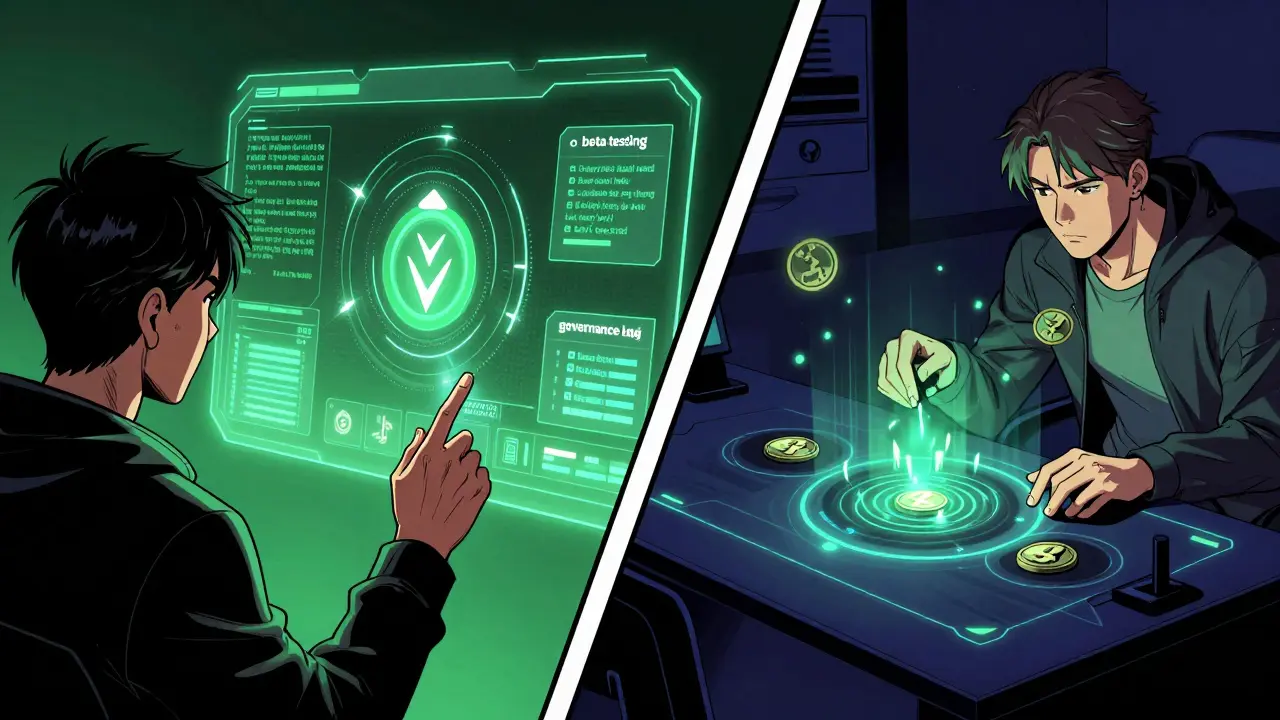
If you want to qualify for the Airdrop, look for these common "jobs-to-be-done" that project teams usually reward:
- Beta Testing: Using the identity platform's testnet to find bugs.
- Governance Participation: Voting on early proposals in the community forum.
- Liquidity Provision: Adding funds to pools that support the project's ecosystem.
- Social Proof: Completing verified quests on platforms like Galxe or Zealy.
Take a look at how Berachain handled their distribution. They rewarded genuine contributors rather than random wallets, distributing millions of tokens to those who actually stressed the network. IDTT is likely to follow this "proof-of-contribution" model.
Comparing IDO vs. Airdrop Paths
Depending on your risk tolerance, you might choose to buy tokens during the IDO or try to earn them via the airdrop. Here is how they stack up in the current market.
| Feature | IDO (Investment) | Airdrop (Earning) |
|---|---|---|
| Cost | High (requires capital) | Low (requires time/effort) |
| Risk | Capital loss if token drops | Time loss if no reward |
| Allocation | Guaranteed (if allocated) | Probabilistic (based on criteria) |
| Timing | Fixed launch date | Often surprise snapshots |
The Role of Decentralized Identity (DID)
To understand why IDTT is launching, you have to understand Decentralized Identity (DID). Currently, when you sign into a website using Google or Facebook, those companies own your identity data. DID flips this. It uses Blockchain technology to give you a digital wallet that holds your credentials (like your passport or degree) without needing a central server.
Projects like idOS have already shown that the market wants a "storage network" for identity. If IDTT is building a similar infrastructure, their token will likely be used for paying storage providers or securing the network through staking. This creates real demand for the token beyond just speculation.
Red Flags to Watch For
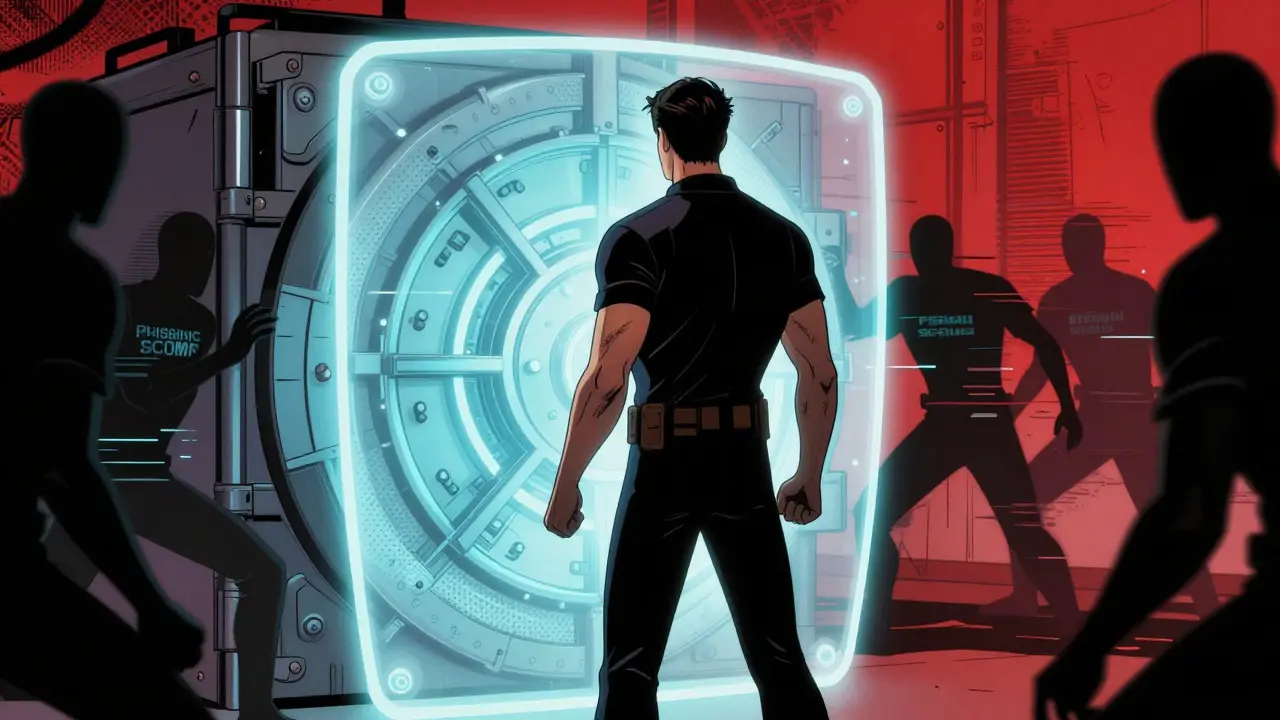
The excitement of a potential airdrop often blinds people to scams. In 2026, phishing has become incredibly sophisticated. If you see a post on X (Twitter) saying "Claim your IDTT tokens now!" with a link to a website that asks for your seed phrase, it is a scam. 100% of the time.
A legitimate airdrop will never ask for your private keys. You will typically connect your wallet to a claim page, verify your eligibility, and then trigger a smart contract transaction to move the tokens into your wallet. If a site asks you to "synchronize" or "validate" your wallet by entering a 12-word phrase, close the tab immediately.
Maximizing Your Success Rate
If you are serious about getting the most out of the IDTT launch, don't just wait for the tokens to appear. Be proactive. Start by monitoring on-chain data. Use tools to track where the project's developers are moving funds. If you see large amounts of liquidity moving into a specific DEX, that's usually a sign that the IDO is imminent.
Also, keep an eye on the "Sybil」 protection measures. Many projects now use AI to detect users who create 100 different wallets to game the airdrop. This usually leads to those wallets being blacklisted. It's better to have one highly active, authentic wallet than ten empty ones.
What is the IDTT token used for?
While specific utility is defined in the whitepaper, tokens in identity projects typically handle network fees, incentivize data validators, and allow users to vote on protocol changes through governance.
How do I know if I am eligible for the IDTT airdrop?
Eligibility is usually based on a snapshot of the blockchain. You will need to check the official project dashboard and connect your wallet to see if your address was included in the snapshot based on your previous activity.
Can I sell my IDTT tokens immediately after the IDO?
It depends on the vesting schedule. If the project has a lock-up period, you may only receive a portion of your tokens at launch, with the rest released weekly or monthly.
What wallet should I use for the IDTT launch?
Most modern IDOs are compatible with MetaMask or Trust Wallet. Ensure your wallet is configured for the correct network (e.g., Ethereum, BNB Chain, or a specific Layer 2) mentioned in the official docs.
Is the IDTT IDO guaranteed to be profitable?
No investment in cryptocurrency is guaranteed. IDOs carry high risk, including the possibility of smart contract failure or market volatility. Only invest what you can afford to lose.
Next Steps for Newcomers
If you're just starting, your first move should be to join the official Discord or Telegram. Don't post in the main chat asking "When moon?"-instead, look for the "Announcements" channel. That's where the legitimate links for the IDO and airdrop claim will be posted.
For those who are more experienced, set up a separate "burner wallet" for the claim process. This keeps your main holdings safe in case the claim site has a vulnerability. Once the tokens are successfully claimed, you can transfer them to your secure cold storage.
22 Comments
Andrew Southgate
April 18 2026This is a really comprehensive breakdown of the process and I think it's incredibly helpful for anyone who might be feeling overwhelmed by the technical side of things because the jump from a simple wallet to participating in a complex IDO can be quite daunting for the average person. I've seen so many people lose funds just because they didn't understand how gas fees on Layer 2s differ from the mainnet, so emphasizing the liquidity check is a great move. It's also worth mentioning that if you're using a burner wallet, you should still keep a small amount of the native token there for the claim transaction or you'll just be staring at your rewards without any way to move them. For those who are new, I'd suggest double-checking the official Twitter account handles because scammers often create accounts that are one letter off from the real one and it's a heartbreakingly easy mistake to make. I truly believe that if we all share this kind of detailed knowledge, we can make the onboarding process for decentralized identity much safer and more accessible for everyone regardless of their technical background.
Sean Mitchell
April 20 2026Simply exhausting to read through this much text for such basic concepts.
Trudy Morse
April 20 2026Identity is just a social construct anyway. Digital or not, we're all just ghosts in the machine. Pretty neat though!
Shannon Kelly Smith
April 22 2026Burner wallets are the way to go! 🛡️ Keep your main stash safe and only interact with new contracts using a fresh address. Let's all get these gains safely! 🚀💰
Ian Chait
April 23 2026Its all a front for the globalists to track ur every move with a single ID. They want us in a digital cage using "DID" as the bait. Wake up, the cabal is just swapping Google for a smart contract they prob actually control behind the scenes. Total scam.
Joshua Salwen
April 24 2026Omg the vesting schedule part is so crucial and people always forget it!! 😱 Imagine buying in and then finding out your money is locked for 6 months while the price tanks... I literally can't even deal with that kind of stress! Absolute nightmare fuel!!
Thomas Jewett
April 25 2026Its about time we get a system that actually works for the peaple and not for some foreign tech giant who doesnt care about our national sovereignty or our rights as citizens of this great land who have been lied to for decades by the very people who claim to represent the interest of the working man in this country!!
Gaurav Undirwade
April 26 2026It is imperative that one approaches these financial ventures with a disciplined mind and a pure heart, for greed is a poison that blinds the seeker to the truth of spiritual emptiness. You must ask yourself if the pursuit of a digital token is not merely a distraction from your internal growth and a failure to recognize the higher calling of duty and dharma.
Sean Douglas
April 27 2026The sheer audacity of these projects to pretend they are "democratizing" identity while basically asking us to gamble our rent money on a launchpad is just poetry in motion. It's a glittering, neon-soaked tragedy and I am here for every single second of the chaos!
Vicky Duffala
April 28 2026Let's get hyped for this! This shift toward owning our data is a huge win for human agency and it's amazing to see the community rallying around it. We are literally building the future of the web right now! 🌟
Shantal Sanjur
April 29 2026Oh sure, because "official channels" are totally trustworthly these days. I'm sure the team isn't just another group of devs who will rug us as soon as the liquidity hits the pool. Sarcastic applause for the "safety" tips here.
Abhinav Chaubey
April 30 2026India is already leading the way in digital public infrastructure with Aadhaar, so this IDTT stuff is basically just catching up to what we've been doing. My country's tech stack is miles ahead of this Western hype cycle and anyone with a brain can see that.
Sandeep Bhoir
May 2 2026Oh yeah, because a "surprise snapshot" is exactly how I like to spend my free time. Truly a masterpiece of user experience design.
Yuhan Mo
May 4 2026The integration of DID with an IDO model is quite a standard approach for bootstrapping liquidity and governance in the current DeFi ecosystem. I'll be observing the on-chain metrics to see if the token velocity remains sustainable after the initial unlock period.
Nishant Goyal
May 5 2026Stay positive everyone. Just do the work and the rewards will come.
Kevin Lư
May 6 2026Who cares about the whitepaper anyway? Just give me the link to the claim page so I can see if I got lucky. I'm just here for the free money and the vibes.
Prachi Bhadarge
May 7 2026Imagine actually thinking a Zealy quest is "meaningful engagement." It's just a bunch of bots clicking buttons to farm a token that will probably be worth zero in a month. But hey, keep grinding those social tasks!
Chintu Parikh
May 8 2026I am most pleased to see such a detailed guide provided for the community. It is my sincere hope that we can all collaborate in a spirit of harmony to ensure that the IDTT ecosystem flourishes for the benefit of all participants involved.
Mike Kempenich
May 9 2026I'm feeling pretty optimistic about the utility here. If they can actually solve the data ownership problem, the token value should follow naturally.
Gillian Kent
May 11 2026I hope everyone stays safe and laooks out for each other during the launch. Its so easy to get caught up in the rush, but remember to be kind to the newcomers who are just trying to lern.
Saurav Bhattarai
May 12 2026Typical low-tier guide. The lack of deep dive into the tokenomics is frankly embarrassing for anyone who considers themselves a serious investor. I suppose this is enough for the masses, but some of us actually prefer substance over these superficial summaries.
Mark Pfeifer
May 13 2026I agree with the point about burner wallets. It is the only responsible way to interact with new smart contracts. I will be monitoring the official announcements strictly.