Kazakhstan Crypto Mining Restrictions: The Energy Crisis Aftermath
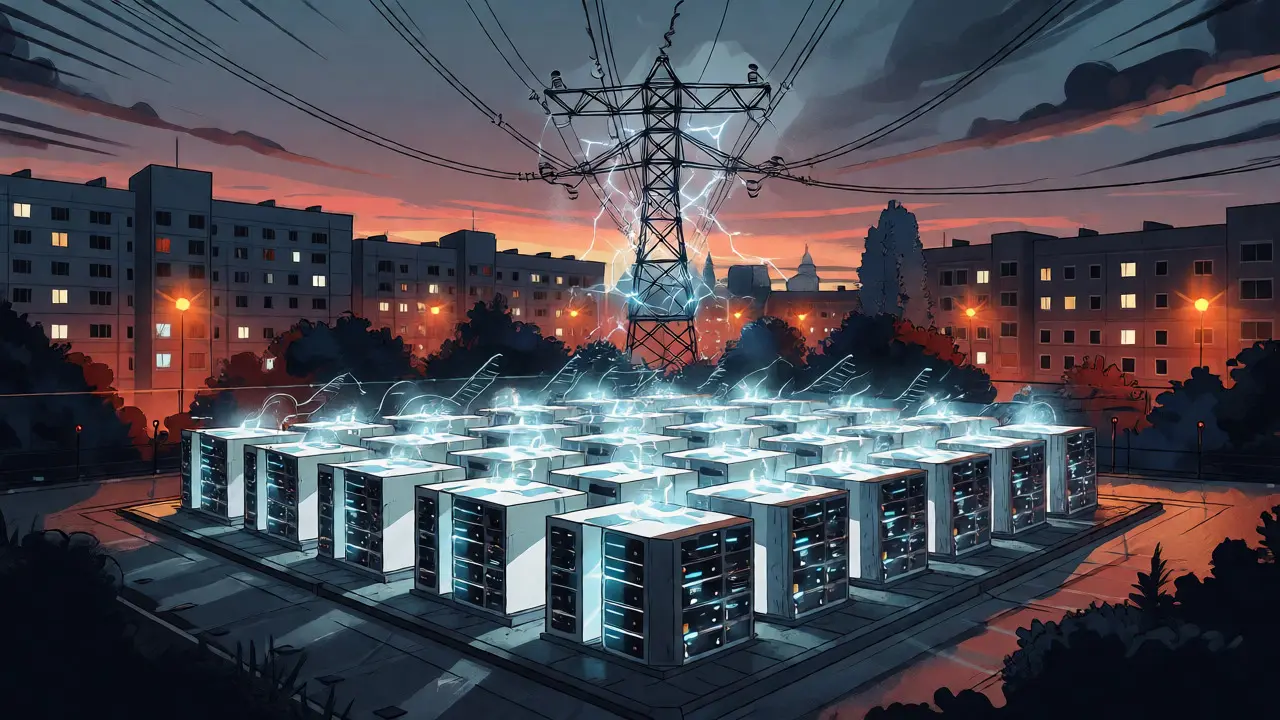
Imagine your local hospital losing power because a server farm next door is solving complex math problems for digital coins. That wasn't a hypothetical scenario in Kazakhstan; it was reality. For a brief period, this Central Asian nation became the epicenter of global Kazakhstan crypto mining, only to slam the brakes when its electrical grid started buckling under the weight of unchecked industrial appetite. If you are tracking how nations balance innovation with infrastructure, the Kazakh story offers a raw, unfiltered look at what happens when technology outpaces utility capacity.
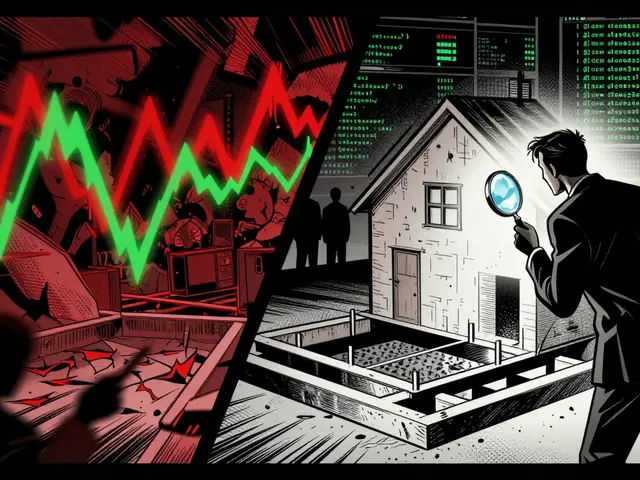
The shift from being the world's second-largest Bitcoin mining hub to a strictly regulated environment didn't happen overnight. It was a direct response to blackouts that affected residential areas and strategic industries alike. Today, operating in Kazakhstan isn't just about finding cheap electricity anymore; it’s about navigating a labyrinth of licenses, state-mandated sales platforms, and aggressive enforcement against illegal operations. This article breaks down exactly where things stand in late 2026, what the rules are, and why the days of the "wild west" are firmly over.
The Rise and Fall: How Cheap Power Attracted Miners
To understand the current restrictions, you have to look back at the initial boom. In 2019, as China began cracking down on cryptocurrency activities, miners looked for new homes. Kazakhstan appeared on their radar thanks to abundant, low-cost electricity generated largely by coal-fired plants. The country actively courted these investors, positioning itself as a friendly jurisdiction for blockchain technology.
By 2021, the strategy had worked-perhaps too well. Kazakhstan briefly surpassed the United States in Bitcoin hash rate share, accounting for nearly 18% of the global network. However, this rapid expansion exposed a critical vulnerability: the national grid wasn't built to handle sudden, massive industrial loads. When winter temperatures dropped and heating demands spiked, the system strained. Residential users faced rolling blackouts, while hospitals and factories struggled to maintain consistent power supply. The government realized that attracting foreign capital couldn't come at the cost of domestic stability.
National Bank of Kazakhstan (NBK) is the central bank responsible for monetary policy and financial regulation in Kazakhstan. It played a pivotal role in shifting the narrative from open arms to strict oversight, working alongside other agencies to curb the chaotic growth of unregulated mining farms.
The Regulatory Framework: Who Controls the Switch?
If you plan to mine in Kazakhstan today, you aren't dealing with a single authority. The regulatory landscape involves a coordinated effort between several powerful entities. The Astana Financial Services Authority (AFSA) operates within the Astana International Financial Centre (AIFC), serving as the primary hub for legal crypto trading and licensing. Then there is the Ministry of Digital Development, Innovation and Aerospace Industry (MDDIAI), which oversees the technological aspects, and the Financial Monitoring Agency (FMA), which hunts down money laundering risks.
The core requirement for any legitimate operation is licensing. As of recent updates, the government has issued 84 licenses and accredited five specific mining pools. But getting a license is just step one. The most significant change for operators is the mandate to sell a portion of their mined assets through official channels. Previously, miners could sell freely on international exchanges. Now, they must route a significant percentage of their output through the AIFC platform.
- Licensing: Mandatory registration with the National Association of Blockchain and Data Center Industry.
- Sales Mandate: Miners must sell 75% of their cryptocurrency assets via AIFC platforms (up from 50% in 2024).
- Taxation: A flat 15% tax rate applies to mining operations.
- Electricity Sourcing: All power purchases must go through a state-run platform operated by the Ministry of Energy.
This structure is designed to bring transparency. By forcing transactions onto the AIFC, the government ensures it can track value flows, collect taxes, and prevent the sector from becoming a haven for illicit finance. It also gives the state a lever to pull if the grid gets stressed again-they can throttle licensed operations more easily than rogue ones.

Cracking Down on Illegal Mining Operations
While licensed miners follow the rules, a shadow market persists. The energy crisis wasn't just caused by legitimate businesses scaling up; it was exacerbated by thousands of unlicensed rigs siphoning electricity without paying proper rates or adhering to safety standards. These illegal operations often bypassed metering entirely, stealing power that should have gone to homes and businesses.
Enforcement has become aggressive. Authorities have conducted systematic raids, seizing equipment and dismantling entire networks. One notable case occurred in East Kazakhstan Oblast in August 2025, where officials uncovered an illegal operation consuming over 50 megawatt-hours of electricity. To put that in perspective, that amount of power could supply a city of 50,000 to 70,000 residents. The investigation revealed corrupt utility employees who diverted electricity intended for social facilities and strategic enterprises over a two-year period.
| Feature | Legal Licensed Miners | Illegal Unlicensed Operators |
|---|---|---|
| Electricity Source | State-run platform (capped transactions) | Diverted grid power / Stolen electricity |
| Tax Compliance | 15% tax on operations | No tax paid |
| Asset Liquidation | Must sell 75% via AIFC | Free market / Off-exchange trades |
| Risk Level | Regulatory compliance risk | Criminal prosecution & asset seizure |
The consequences for getting caught are severe. Beyond confiscating the hardware, prosecutors have targeted the profits. High-end apartments in the capital and luxury vehicles purchased with illicit mining revenue have been seized. The message is clear: hiding underground won't protect your assets forever.
The Energy Grid Challenge and Future Solutions
The root cause of the restrictions remains unresolved: Kazakhstan’s energy infrastructure still struggles to meet peak demand. The country relies heavily on aging thermal power plants, many of which require significant upgrades. During periods of high consumption, particularly in winter, the government has occasionally imposed temporary restrictions on electricity supply to mining farms to stabilize the grid. This means even licensed miners face uncertainty regarding power availability.
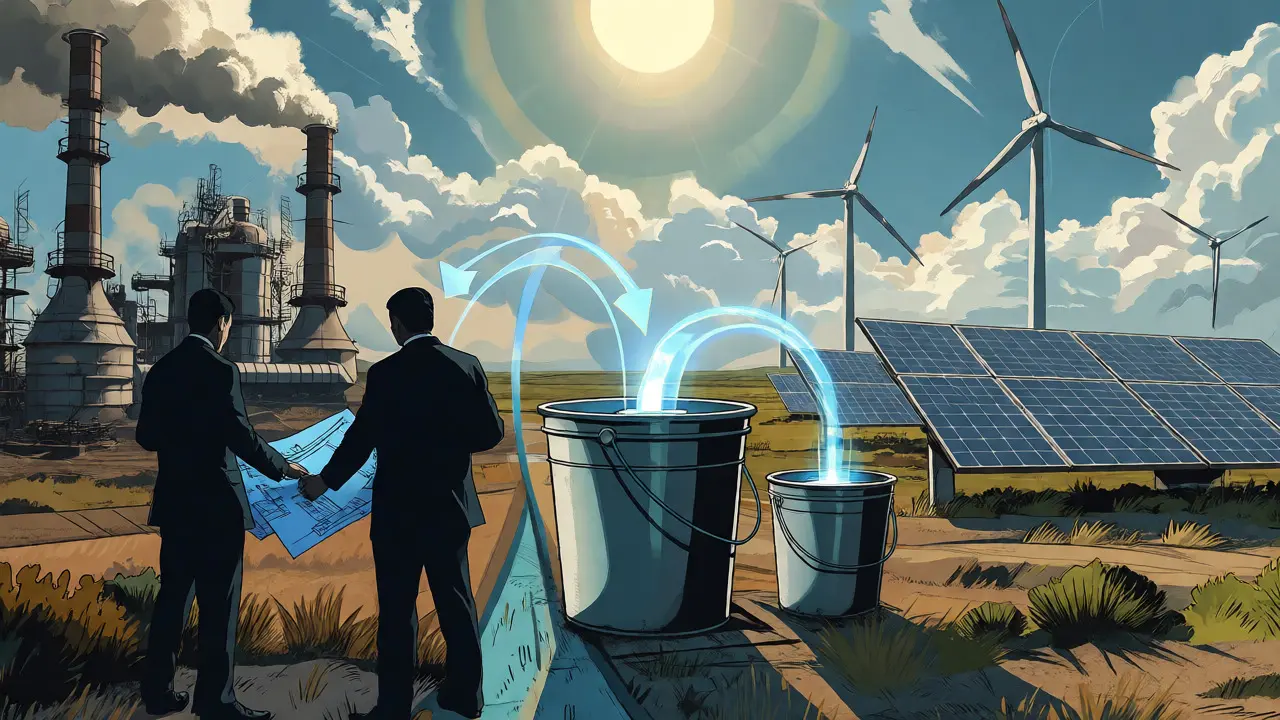
In response, policymakers are exploring innovative solutions. Tuleushin, a representative for the Energy Minister, proposed a "70/30" energy program. Under this model, foreign investors would fund upgrades to thermal power stations. In return, 70% of the newly generated capacity would go to the national grid, while 30% would be allocated specifically to crypto miners. This approach aims to turn miners into partners in modernization rather than parasites on the existing system.
Additionally, there is a growing push toward renewable energy. Solar and wind projects are being initiated to support the mining sector without worsening the carbon footprint or straining coal-dependent grids. While renewables currently make up a small fraction of Kazakhstan's energy mix, the trend indicates a long-term shift toward sustainable mining practices.
Economic Impact and Investment Outlook
Despite the tightening noose, Kazakhstan remains a viable destination for serious players. The regulatory clarity, though strict, provides a level of certainty that ambiguous jurisdictions lack. Major global companies have established operations here, contributing to job creation and technological transfer. The presence of the AIFC also attracts fintech investment beyond just mining, creating a broader ecosystem.
However, the barrier to entry has risen significantly. Small-scale hobbyists looking to plug in a few ASICs in their garage are effectively priced out or legally restricted. The era favors institutional investors who can navigate the licensing process, absorb the 15% tax, and manage the operational costs of compliant electricity sourcing. Legislators like Ekaterina Smyshlyaeva continue to advocate for tighter controls, suggesting further mandates such as requiring miners to store portions of their assets on registered exchanges. This would increase oversight but could also reduce liquidity for miners.
For investors, the key takeaway is risk assessment. The upside lies in potential efficiency gains and stable regulatory frameworks compared to volatile regions. The downside includes exposure to grid instability and potential future hikes in energy tariffs or sales mandates. Keeping a close eye on National Bank of Kazakhstan announcements and Ministry of Energy directives is essential for anyone operating in this space.
Is crypto mining legal in Kazakhstan in 2026?
Yes, cryptocurrency mining is legal in Kazakhstan, but it is strictly regulated. Operators must obtain a license from the relevant authorities, register with the National Association of Blockchain and Data Center Industry, and comply with tax and anti-money laundering laws. Unlicensed mining is considered illegal and subject to penalties including equipment confiscation.
What percentage of mined crypto must be sold on the AIFC platform?
As of 2025 and continuing into 2026, licensed miners are required to sell 75% of their mined cryptocurrency assets through the Astana International Financial Centre (AIFC) platform. This requirement was increased from 50% in 2024 to ensure greater transparency and control over the flow of digital assets within the country.
Why did Kazakhstan restrict crypto mining?
Kazakhstan implemented restrictions primarily due to a severe energy crisis. Rapid growth in mining operations placed excessive strain on the national power grid, leading to blackouts for residential areas, hospitals, and industries. The government acted to prioritize domestic energy security and curb illegal mining operations that consumed electricity without proper payment or regulation.
How does the government enforce mining regulations?
Enforcement involves coordinated actions by the Financial Monitoring Agency (FMA) and the National Security Committee (KNB). They conduct raids on unlicensed facilities, seize mining hardware, and investigate financial flows linked to illegal operations. Corrupt utility employees involved in diverting electricity are also prosecuted, and assets purchased with illicit mining profits are confiscated.
Can foreign investors operate mining farms in Kazakhstan?
Yes, foreign investors can operate in Kazakhstan, provided they adhere to local regulations. This includes obtaining necessary licenses, registering with the appropriate associations, and complying with electricity purchasing rules through the state-run platform. Recent proposals suggest mechanisms for foreign capital to invest in power plant upgrades in exchange for dedicated energy allocations for mining.