Proof of Attendance Protocol (POAP) Explained: The Ultimate Guide to Digital Badges
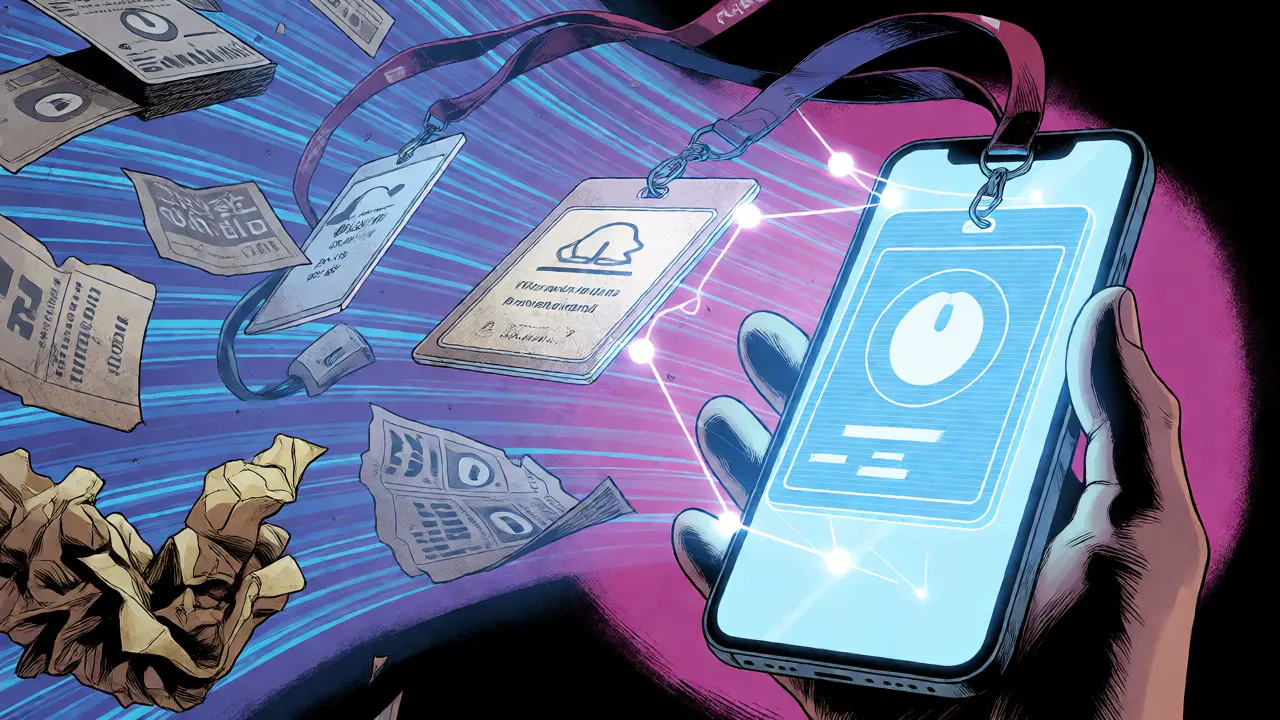
Remember the last time you attended a major conference? You probably have a lanyard gathering dust in a drawer or a ticket stub fading in your wallet. Now imagine if that proof of attendance was immortalized on the blockchain, impossible to forge and easy to show off. That is the core promise of the Proof of Attendance Protocol, better known as POAP. It started as a hackathon project at ETHDenver in 2019 but has since exploded into a global standard for verifying who showed up where.
If you are new to this space, the idea might sound abstract. Why do we need a digital badge when we already have photos and social media posts? The answer lies in verifiability. A tweet can be deleted; a photo can be faked. A POAP is a cryptographic receipt. It proves you were there, at that specific time, participating in that specific event. This article breaks down exactly what POAPs are, how they work under the hood, why they matter for your digital identity, and how you can start collecting them today.
What Exactly Is a POAP?
At its simplest, a POAP is a non-fungible token (NFT) that acts as a commemorative badge. Unlike profile picture projects like Bored Apes, which are often treated as speculative assets, POAPs are designed to be souvenirs. They capture memories. When you attend an event, you claim a POAP, and it gets added to your digital scrapbook. Over time, your collection becomes a visual timeline of your life’s experiences, from crypto conferences to music festivals.
The technology behind these badges is robust. Initially built on the Ethereum mainnet using the ERC-721 standard, POAPs faced high gas fees that made minting expensive for casual users. To solve this, the protocol migrated to the xDai sidechain (now known as Gnosis Chain). This shift kept the security of Ethereum while drastically reducing transaction costs. Today, claiming a POAP usually costs pennies, making it accessible to anyone with a digital wallet.
Each POAP contains three critical pieces of data:
- Unique Image: Custom artwork related to the event.
- Event Details: Name, date, and location of the event.
- Timestamp: The exact moment the badge was minted.
This structure ensures that every badge is immutable. Once issued, it cannot be altered. This permanence is what gives POAPs their value-not necessarily monetary value, but historical and reputational value.
How Do You Claim a POAP?
You don’t need to be a developer to get involved. The process is streamlined for everyday users. If you are attending an event that offers POAPs, here is the typical workflow:
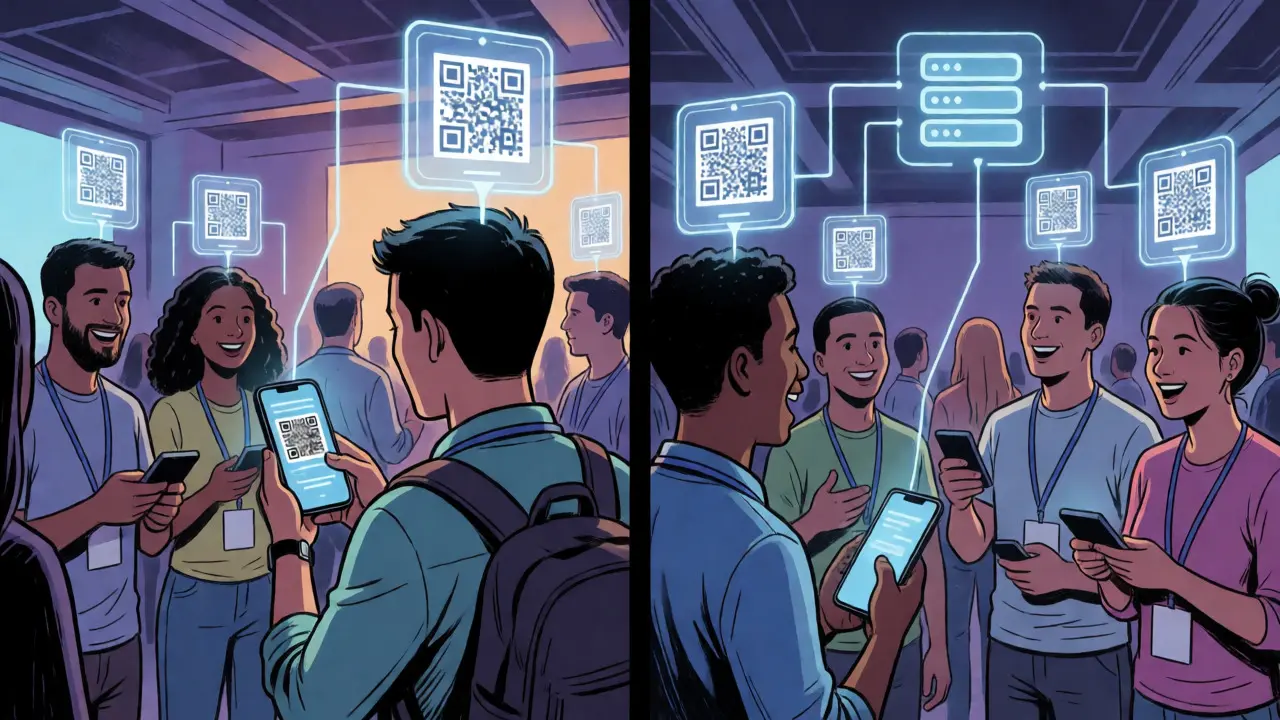
- Connect Your Wallet: Most events provide a QR code or a link. Clicking it prompts you to connect a crypto wallet like MetaMask or Rainbow.
- Verify Eligibility: Some events require you to sign a message proving you own the wallet address associated with your registration.
- Mint the Badge: Confirm the transaction. Since POAPs live on Gnosis Chain, this step is fast and cheap.
- View Your Collection: Open the POAP app or website to see your new badge appear in your feed.
It is worth noting that you can also use email-based wallets provided by platforms like Magic.link. This removes the barrier of setting up complex crypto infrastructure, allowing traditional users to participate seamlessly. For many newcomers, this ease of access is the gateway into the broader world of Web3.
Why Should You Care About Collecting These?
You might ask, "I have Instagram stories from my trips. Why do I need a blockchain badge?" Here are three compelling reasons to start paying attention to digital collectibles.
1. Proof of Community Membership
In the decentralized web, reputation matters. Holding certain POAPs signals that you were part of early communities. For example, holding a POAP from a 2020 DeFi hackathon tells future collaborators that you were active during the DeFi summer. It acts as a resume of your engagement. Employers in the tech sector increasingly look at on-chain history as a signal of genuine interest and expertise.
2. Exclusive Access and Perks
Organizers use POAPs as keys. Many DAOs (Decentralized Autonomous Organizations) grant voting rights or exclusive Discord channels only to holders of specific badges. If you missed out on a past drop, you might lose out on future airdrops. For instance, some protocols have distributed free tokens to users who held specific POAPs from previous years. It turns passive attendance into potential financial upside.
3. Preserving Memories
Digital files rot. Hard drives fail. Social media platforms change algorithms or shut down. A POAP lives on the blockchain forever. It is a durable record of your journey. Think of it as a passport stamp for the digital age. Every stamp adds context to your story, creating a narrative that is uniquely yours.
POAP vs. Traditional Event Memorabilia
How does a POAP stack up against physical tickets or digital certificates? Let’s compare them directly.
| Feature | Physical Ticket/Badge | Digital Certificate (PDF) | POAP (NFT) |
|---|---|---|---|
| Durability | Low (can be lost/torn) | Medium (files can be deleted) | High (immutable on blockchain) |
| Verifiability | Low (easy to fake) | Medium (requires issuer check) | High (public ledger verification) |
| Transferability | No | No | Yes (can be traded/gifted) |
| Interoperability | None | Low | High (works across apps/platforms) |
| Cost to User | Variable | Free/Low | Near Zero (on Gnosis Chain) |
The key differentiator here is interoperability. Because POAPs follow standard NFT protocols, they can be displayed in various wallets, marketplaces, and metaverse environments. A PDF certificate sits in your inbox; a POAP can be worn as an avatar accessory in Decentraland or used to unlock content in a gaming ecosystem.
Who Uses POAPs Beyond Crypto Conferences?
While the term originated in the crypto world, adoption has spilled over into mainstream industries. Major brands now recognize the value of engaging customers through digital ownership.
Sports and Entertainment: Events like the U.S. Open and concerts by artists such as Kings of Leon have experimented with POAPs. Fans receive badges for attending, which can sometimes unlock merchandise discounts or meet-and-greet opportunities.
Education and Corporate Training: Companies use POAPs to track employee participation in workshops. Instead of a spreadsheet, HR departments can verify attendance on-chain. Universities are exploring similar models for alumni networks, where holding a graduation POAP grants lifetime access to alumni perks.
Gaming and Metaverse: In virtual worlds like Decentraland, attending a party generates a POAP. This creates a layer of social proof within the game. Did you really go to that rave, or did you just log in? The blockchain remembers.
This broad adoption suggests that POAPs are not just a niche crypto toy. They are becoming a fundamental tool for managing community engagement across all sectors.

Common Pitfalls and Misconceptions
Before you dive in, let’s clear up some confusion. Many people treat POAPs like investment assets, trying to flip them for profit. While some rare badges have gained secondary market value, this is not their primary purpose. Trading them too aggressively can dilute their meaning as personal memories.
Another common mistake is ignoring the technical setup. Ensure you are using the correct network. If you try to claim a POAP on the Ethereum mainnet without switching to Gnosis Chain, you might pay unnecessary fees or face compatibility issues. Always double-check the network settings in your wallet before confirming a transaction.
Finally, beware of scams. Phishing sites often mimic official POAP pages. Only claim badges through trusted links provided by the event organizer. If a site asks for your private seed phrase instead of just connecting your wallet, walk away immediately.
The Future of Digital Attendance
Where is this going? The team behind POAP has raised significant funding to expand the protocol’s capabilities. We are moving toward a model where POAPs function as credentials. Imagine applying for a job and showing a portfolio of POAPs that prove you attended relevant industry summits, completed specific online courses, or contributed to open-source projects. This "blockchain resume" could become standard practice.
Additionally, integration with other identity solutions is growing. Projects like Worldcoin and Gitcoin Passport are looking at ways to combine POAPs with zero-knowledge proofs. This would allow users to prove they attended an event without revealing their entire identity, balancing privacy with verification.
As we move further into 2026, the line between physical and digital experiences continues to blur. POAPs serve as the bridge, ensuring that our digital actions leave a permanent, verifiable mark. Whether you are a hardcore crypto enthusiast or just curious about where your data goes, starting a POAP collection is a low-risk, high-reward way to engage with the future of the internet.
Do I need to pay gas fees to claim a POAP?
Typically, no. Most POAPs are minted on the Gnosis Chain (formerly xDai), where transaction fees are negligible, often costing less than $0.01. Sometimes, the event organizer covers the cost entirely, making it free for the user.
Can I sell my POAPs?
Yes, because they are NFTs, they can be traded on marketplaces like OpenSea or Rarible. However, selling them defeats the original purpose of preserving personal memories. Rare POAPs from major events may hold higher resale value.
What happens if I lose my wallet password?
If you use a self-custody wallet like MetaMask, losing your seed phrase means losing access to your POAPs permanently. There is no central authority to reset your password. Using an email-based wallet provider can offer recovery options, but it relies on their service availability.
Are POAPs only for cryptocurrency events?
No. While popular in the crypto space, POAPs are used by sports leagues, universities, corporate training programs, and music festivals. Any organization that wants to verify attendance digitally can issue them.
How do I display my POAP collection?
You can view your collection on the official POAP website or app. Additionally, most NFT marketplaces and compatible crypto wallets will display them automatically. Some users create dedicated websites or use tools like Showtime to showcase their badges socially.