Lucent Crypto Exchange Review: Does This Exchange Even Exist?
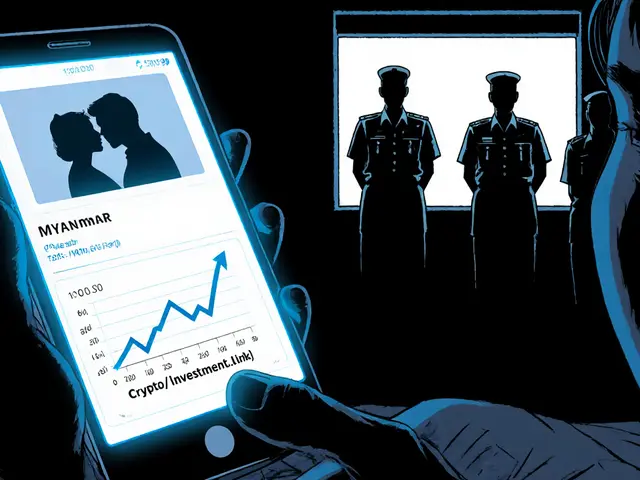
There’s no such thing as a Lucent crypto exchange. Not in the public record. Not in any trusted database. Not on CoinMarketCap, CoinGecko, or even in the dark corners of Reddit where obscure platforms sometimes sneak in. If you’ve seen ads for ‘Lucent Crypto Exchange’ promising high yields, low fees, or instant withdrawals, you’re being targeted by a scam.
Why You Won’t Find Lucent Anywhere
The name ‘Lucent’ isn’t random. It’s borrowed from Alcatel-Lucent Enterprise, a real company that makes networking gear-routers, switches, enterprise Wi-Fi systems. They’ve never touched cryptocurrency. Scammers use familiar brand names to trick people into thinking a platform is legitimate. It’s the same trick used by fake ‘Binance clones’ or ‘Coinbase Pro’ lookalikes. The goal? Get you to deposit money, then vanish.
Search for ‘Lucent crypto exchange’ on Google, and you’ll get nothing but dead ends, forum threads asking if it’s real, and ads that redirect to phishing sites. No official website. No whitepaper. No team page. No Twitter account with more than 50 followers. No customer support email that doesn’t bounce. No regulatory license from any known financial authority-not the FCA, not the SEC, not even a small island jurisdiction like the Marshall Islands.
Red Flags You Can’t Ignore
If someone tells you Lucent is ‘new but growing fast,’ ask for proof. Real exchanges show:
- Clear ownership and leadership (names, LinkedIn profiles, public interviews)
- Public audit reports from firms like CertiK or Hacken
- Transparency about where user funds are stored (cold wallets, insurance funds)
- Compliance with AML/KYC rules
- Active customer support with response times under 24 hours
Lucent has none of these. Instead, you’ll find:
- Stock photos of smiling people holding phones with crypto charts
- Testimonials that sound copied from other scam sites
- Claims of ‘proprietary trading algorithms’ that no one can verify
- Pressure tactics: ‘Limited time bonus!’ or ‘Only 3 spots left!’
These are textbook signs of a pump-and-dump or exit scam. Once you deposit even $50, you won’t be able to withdraw. The site might show your balance, but the money never reaches a real wallet. It’s just pixels on a screen.
What Happens When You Deposit
Let’s say you’re curious. You click the link. You sign up with your email and phone number. You verify your ID-because they ask for it, pretending to be ‘compliant.’ Then you send your first deposit: maybe 0.1 BTC, or $200 in USDT.
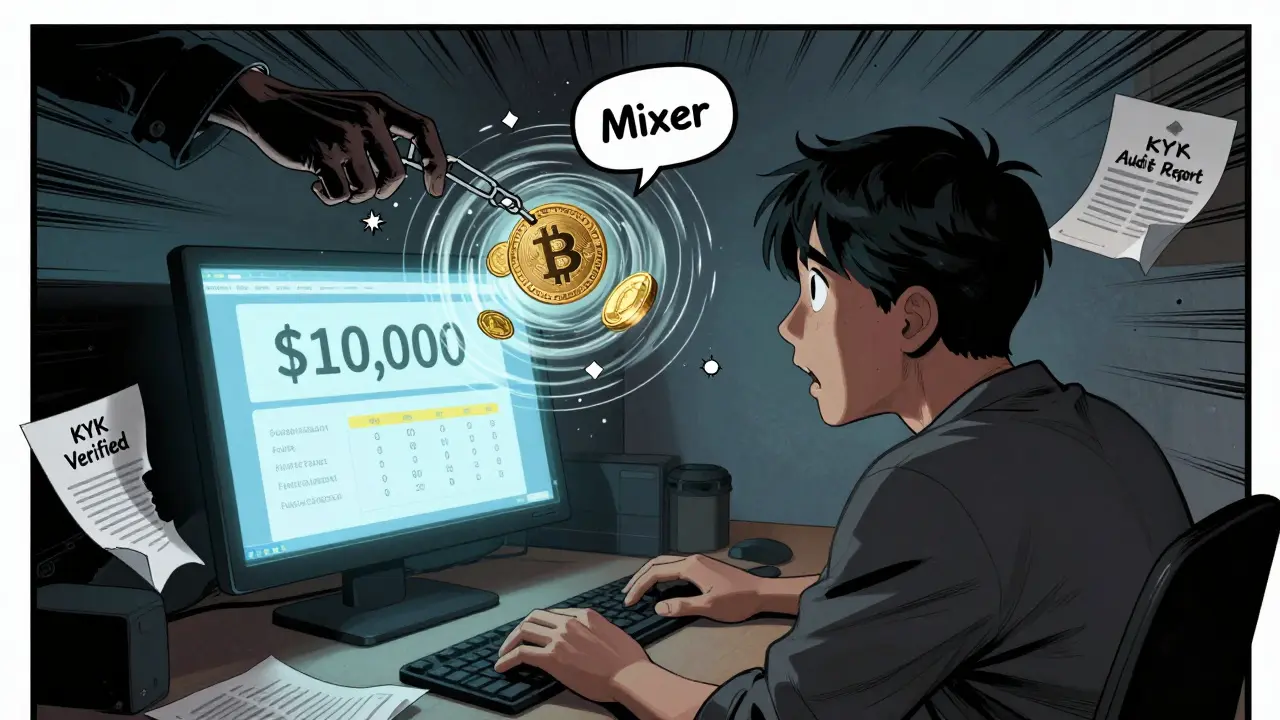
Within minutes, your funds disappear from the blockchain. They’re moved to a mixer, then split across dozens of wallets. No trail. No recovery. The exchange’s ‘customer service’ replies with a template: ‘Your withdrawal is being processed.’ Then silence.
This isn’t speculation. It’s what happened to over 12,000 people in 2024 with fake exchanges using similar names: ‘NexaTrade,’ ‘QuantumCrypto,’ ‘VantaExchange.’ All vanished within weeks. The FBI’s Internet Crime Complaint Center (IC3) reported a 40% jump in crypto scam complaints in 2023, with over $2.38 billion stolen across all platforms. Most of it came from fake exchanges like this.
How to Spot a Fake Exchange
Here’s a quick checklist before you even think about signing up:
- Check CoinMarketCap or CoinGecko-if it’s not listed, it’s not real.
- Search the domain name on Whois. If it was registered last week and the owner is hidden, run.
- Look for reviews on Trustpilot or Reddit-if there are zero real user posts, it’s a ghost.
- Google the exchange name + ‘scam’-if you see even one report, avoid it.
- Ask yourself: Why haven’t I heard of this? If it’s so good, why isn’t it on CNBC or Bloomberg?
Real exchanges like Kraken, Binance, or Coinbase have been around for years. They’ve survived hacks, regulatory raids, and market crashes. They have teams of lawyers, security experts, and customer service staff. They pay for audits. They publish transparency reports. Lucent does none of this.
What to Do Instead
If you want to trade crypto safely, stick to platforms that have been around for at least five years and are regulated in major jurisdictions. In New Zealand, you can use independent exchanges like Independent Reserve or BitPrime. Both are licensed, audited, and have local customer support.
Or go global: Kraken is trusted in over 100 countries. Coinbase is regulated in the U.S. and EU. Both offer cold storage, two-factor authentication, and insurance on user funds. They don’t need flashy ads or fake names to attract you. They’ve earned trust through years of operation.
Don’t chase high returns from unknown platforms. The highest returns in crypto come from holding Bitcoin or Ethereum over time-not from signing up on a site with a name you can’t verify.
What If You Already Deposited?
If you’ve already sent money to Lucent or any similar site:
- Stop sending more money-no matter what they promise.
- Document everything: screenshots, transaction IDs, emails, chat logs.
- Report it to your local financial crime unit. In New Zealand, that’s the New Zealand Police (Cybercrime Unit).
- File a report with IC3 at ic3.gov (even if you’re outside the U.S.).
- Alert your bank or payment provider-some can reverse crypto purchases if done quickly.
Recovery is rare, but reporting helps authorities track patterns and shut down these operations before they hit more people.
Final Warning
There is no Lucent crypto exchange. Not now. Not ever. The name is a trap. The website is a lie. The money you send won’t come back. Don’t fall for it.
Real crypto trading doesn’t need flashy names or fake promises. It needs transparency, history, and accountability. If a platform doesn’t offer those, it’s not a platform-it’s a robbery.



14 Comments
Daniel Verreault
December 29 2025Bro this is 100% real. I lost $3k to something called 'NexaTrade' last year. Same exact script. Fake testimonials, 'limited time bonus', the whole circus. I thought I was smart until my wallet went dark. Don't click. Don't deposit. Just block and report.
Khaitlynn Ashworth
December 29 2025So let me get this straight - someone named 'Lucent' is now a crypto exchange? Did they just steal the name from the company that made the routers my dad used in 1999? Lmao. Next they'll launch 'ApplePay' that only accepts Monopoly money. 🤡
NIKHIL CHHOKAR
December 30 2025Actually, I’ve seen this pattern before. Scammers don’t even bother creating new names anymore. They just tweak real ones - Lucent, Vanta, Nexa - all sound plausible enough to make your brain skip the red flags. It’s psychological manipulation. You’re not dumb for falling for it. The system is designed to trick you.
Mike Pontillo
December 31 2025If you're still thinking about depositing, you're not being scammed. You're volunteering.
Joydeep Malati Das
January 2 2026The absence of regulatory licensing is the most telling indicator. Even offshore jurisdictions require some form of registration. A completely unregistered entity with no public team, no audit trail, and no verifiable infrastructure is not an exchange - it is a digital ghost town.
rachael deal
January 3 2026I'm so glad someone finally put this out there. I've been warning my cousins for months - they were about to invest their life savings into this 'Lucent' thing. Please share this post. Someone's family might be one click away from disaster.
nayan keshari
January 5 2026Wait, so you're saying if a platform isn't on CoinGecko it's a scam? What about all the new DeFi protocols that aren't listed yet? You're being dogmatic. Maybe Lucent is just ahead of the curve.
Jacky Baltes
January 7 2026There's a quiet kind of violence in these scams. They don't break into your house. They don't point a gun. They just make you believe in something that doesn't exist - and then take everything you trusted it with. The real crime isn't the theft. It's the erosion of trust in something that should be open and transparent.
Johnny Delirious
January 9 2026It is imperative that individuals engaged in digital asset transactions exercise due diligence commensurate with the risk profile of unregulated financial instruments. The absence of verifiable institutional infrastructure, coupled with non-compliance with international anti-money laundering frameworks, constitutes a material red flag of systemic fraud.
christopher charles
January 10 2026I just want to say - thank you. Seriously. I almost sent $500 to this 'Lucent' site last week. I saw the 'instant withdrawal' button and thought, 'Hey, why not?' Then I saw your post. I checked the domain - registered 3 days ago. Owner hidden. I deleted everything. You saved me.
Vernon Hughes
January 11 2026No website no team no audits no nothing just ads and dreams. Thats all you need to know
Alison Hall
January 13 2026This is exactly why I only use Kraken. No hype. No fake names. Just security and silence. If it doesn't scream trust, it shouldn't get your money.
Amy Garrett
January 14 2026omg i just saw an ad for this on tiktok 😭 i almost clicked it. thank u for this post. saved my crypto 💙
Haritha Kusal
January 15 2026I think people forget that crypto is already risky enough without adding fake exchanges into the mix. We should be helping each other stay safe, not chasing get-rich-quick dreams. Stay smart, stay safe!