Renewable Energy Credits on Blockchain: A Practical Guide
You know that feeling when you buy a renewable energy credit (REC), but deep down you wonder if the solar panel it supposedly funded actually exists? You’re not alone. The traditional system for tracking these credits is a mess of spreadsheets, middlemen, and opaque databases. It’s like trying to prove you paid your taxes by showing someone a blurry photocopy from ten years ago. Enter blockchain. By moving RECs onto a distributed ledger, we’re finally getting transparency, speed, and trust into the green energy market. But does it actually work, or is it just buzzword bingo?
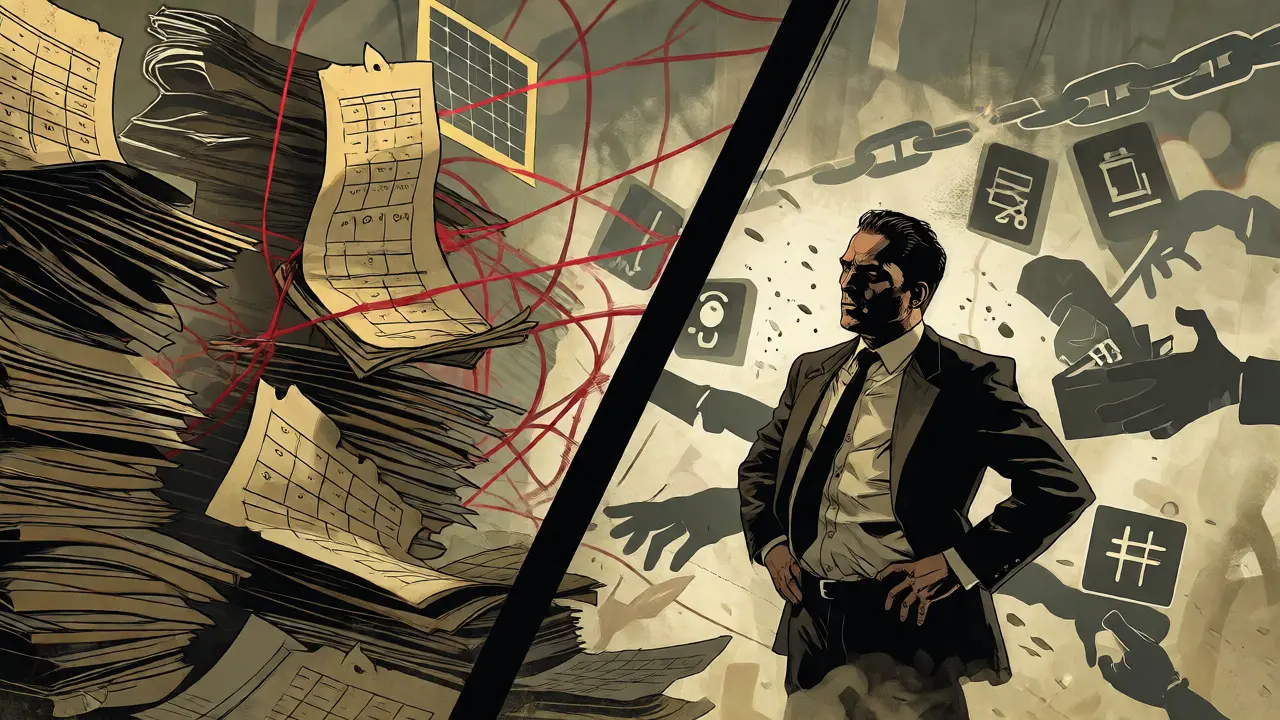
The Broken State of Traditional RECs
Before we talk about fixing things, let’s look at what’s broken. A Renewable Energy Certificate represents one megawatt-hour (MWh) of electricity generated from renewable sources like wind or solar. In the old world, verifying this involved a chain of custody managed by centralized registries. Think of organizations like the Center for Resource Solutions. Every time a certificate changed hands-from the generator to the broker to the final buyer-there were fees. According to the Energy Web Foundation, these transaction costs can eat up about 5% of a certificate's value. That’s money that could have gone toward building more wind farms.
Worse, the system is prone to errors. Double-counting is a real nightmare where two companies claim the same environmental benefit. The International Renewable Energy Agency estimated a 3-5% error rate in traditional systems back in 2022. If you’re a corporation trying to meet strict ESG goals, that margin of error is unacceptable. You need proof, not promises.
How Blockchain Fixes the Trust Gap
Blockchain doesn’t just digitize the paperwork; it changes the physics of trust. When a REC is issued on a blockchain, it becomes a unique digital token. This token lives on an immutable ledger, meaning once it’s written, it cannot be altered or deleted without consensus from the network. This eliminates double-spending-or in this case, double-claiming.
Platforms like Power Ledger and the Energy Web Chain are leading this charge. Power Ledger, founded by Dr. Jemma Green in Australia, processes transactions in about 15 seconds. Compare that to days or weeks in legacy systems. The Energy Web Chain uses a public proof-of-stake model specifically designed for energy applications. It supports ERC-20 token standards, which means these RECs can interact with other decentralized finance tools. This interoperability is key. It turns static certificates into liquid assets.
| Feature | Traditional System | Blockchain System |
|---|---|---|
| Transaction Cost | ~5% of value | 1-2% of value |
| Processing Time | Days to Weeks | Seconds to Minutes |
| Fraud Risk | 3-5% Error Rate | Near Zero (Immutable) |
| Transparency | Opaque/Centralized | Public/Verifiable |
| Intermediaries | High (Brokers/Auditors) | Low (Smart Contracts) |
Real-World Wins and Pain Points
Let’s get out of theory. Does this stuff actually work for regular people and businesses? Yes, but with caveats. In Australia, Power Ledger processed over 1.2 million REC transactions in 2023 with zero fraud incidents. One user in Perth reported selling excess solar power through the app and getting paid within 24 hours, compared to a 45-day wait with their old utility provider. That’s a massive cash flow improvement for small producers.
However, it’s not all smooth sailing. Integration is hard. Setting up a blockchain REC system requires connecting smart meters to the ledger. For a large enterprise, this might cost between $500,000 and $2 million upfront. Then there’s the human factor. In a failed pilot in Kenya, 62% of users couldn’t complete transactions because they lacked smartphone literacy. Technology is only as good as its adoption curve. If your local community isn’t tech-savvy, a fancy blockchain won’t help them sell their solar credits.
Who Is Using This Tech Right Now?
Corporations are the biggest drivers here. About 68 of the Fortune 100 companies now use blockchain-based RECs for sustainability reporting. Why? Because auditors love immutable data. It makes proving green claims much easier. The European Union has been quick to adapt, amending its Renewable Energy Directive in 2023 to recognize blockchain-verified Guarantees of Origin. This regulatory clarity gives companies confidence to invest.
In contrast, the U.S. lacks federal standardization. While 18 states have pilot programs, the fragmented landscape creates confusion. Companies operating across state lines often face a patchwork of rules. This is where cross-border platforms shine. The integration of the Energy Web Chain with the International REC Standard (I-REC) allowed for $287 million in cross-border transactions in late 2023. This proves that blockchain can bridge geographic gaps better than traditional bilateral agreements.
Getting Started: What You Need to Know
If you’re looking to implement or buy blockchain RECs, start small. Don’t try to migrate your entire portfolio overnight. Most successful deployments take 6-12 months. You’ll need three things:
- Metering Infrastructure: Smart meters that can push data directly to the blockchain API.
- Digital Wallets: Participants need secure wallets to store and trade tokens.
- Regulatory Alignment: Ensure your local jurisdiction accepts digital proofs of origin.
Training is also critical. Energy professionals aren’t typically blockchain experts. Expect 40-60 hours of training for staff to become proficient. Platforms like Energy Web Chain offer excellent documentation, rated 4.7/5 by developers, which helps lower this barrier. Smaller platforms often lag here, so check developer forums before committing to a vendor.

The Future: Consolidation and Carbon Tracking
The market is growing fast. Valued at $1.37 billion in 2023, the sector is projected to hit $12.65 billion by 2028. But expect consolidation. Gartner predicts that by 2026, just 3-4 dominant platforms will control 80% of the market. We’re already seeing this trend with major players like Energy Web Foundation holding roughly 35% share.
Looking ahead, the next big leap is automatic issuance. Current systems still require some manual verification. Upcoming features like “Auto-Issue” aim to generate RECs directly from smart meter data with zero human intervention. There’s also movement toward integrating carbon co-benefits. Imagine a single token that proves both renewable generation and carbon offsetting. That’s the holy grail for corporate buyers who want to simplify their ESG portfolios.
Frequently Asked Questions
Are blockchain RECs legally recognized everywhere?
No, recognition varies by region. The EU explicitly recognizes blockchain-verified Guarantees of Origin under its 2023 directive updates. In the US, there is no federal standard, though many states accept them via pilot programs. Always check local regulations before purchasing.
How much cheaper are blockchain RECs compared to traditional ones?
Transaction costs drop significantly, from about 5% of the certificate value in traditional systems to 1-2% on blockchain platforms. However, initial setup costs for enterprises can range from $500,000 to $2 million, so ROI depends on volume.
Can I buy individual RECs on the blockchain?
Yes, many platforms allow fractional ownership and peer-to-peer trading. Unlike traditional markets that often require bulk purchases, blockchain enables smaller transactions, making it accessible for individuals and small businesses.
What happens if the blockchain forks or fails?
Major energy blockchains like Energy Web Chain use robust consensus mechanisms (Proof of Stake) designed for stability. Forks are rare and usually resolved quickly. The immutability ensures that even if the network experiences downtime, historical records remain intact and verifiable.
Do I need crypto knowledge to use these platforms?
Not necessarily. Many modern platforms abstract away the complexity of wallets and gas fees. Users interact with simple apps similar to banking interfaces. However, understanding basic security practices for digital keys is recommended.