Parallel Finance: What It Is, How It Works, and Why It Matters in DeFi
When you think about Parallel Finance, a decentralized lending protocol built on the Polkadot and Kusama networks that lets users borrow and lend crypto without intermediaries. It's not just another DeFi app—it’s a core piece of infrastructure for cross-chain asset movement and collateralized loans. Unlike centralized platforms that freeze your funds or demand paperwork, Parallel Finance runs on smart contracts. That means you control your assets, set your own terms, and earn interest directly from other users—no bank, no middleman.
It works by letting you deposit crypto like DOT, KSM, or stablecoins into liquidity pools. In return, you get interest paid in real time. At the same time, others can borrow against those deposits by locking up their own crypto as collateral. The system automatically adjusts interest rates based on supply and demand, and if someone’s loan gets too risky, it gets liquidated instantly. This isn’t theory—it’s live on-chain, with real money moving every minute. Related to this are DeFi lending, the practice of using blockchain-based protocols to lend and borrow digital assets without traditional financial institutions, and crypto lending platform, a decentralized service that matches lenders with borrowers using smart contracts and collateral requirements. These aren’t just buzzwords—they’re the engine behind how Parallel Finance stays solvent and profitable for users.
What makes Parallel Finance stand out isn’t just its tech—it’s its focus on real usability. It supports multiple chains, integrates with wallets like Polkadot.js and Phantom, and offers features like flash loans and cross-chain collateral. It’s used by traders who need quick liquidity, yield farmers chasing APY, and even small DAOs managing treasury funds. You won’t find flashy marketing here, but you will find clean code, transparent risk models, and a community that actually uses the product. And if you’ve ever wondered why some DeFi apps survive while others vanish, Parallel Finance’s design is part of the answer: it solves real problems, not just hype.
Below, you’ll find real reviews, breakdowns, and comparisons of Parallel Finance and similar protocols. Some posts dig into how its interest rates shift with market conditions. Others show you how to avoid liquidation traps. A few even compare it side-by-side with Aave or Compound. No fluff. No guesswork. Just what’s actually happening on the chain—and what it means for your portfolio.
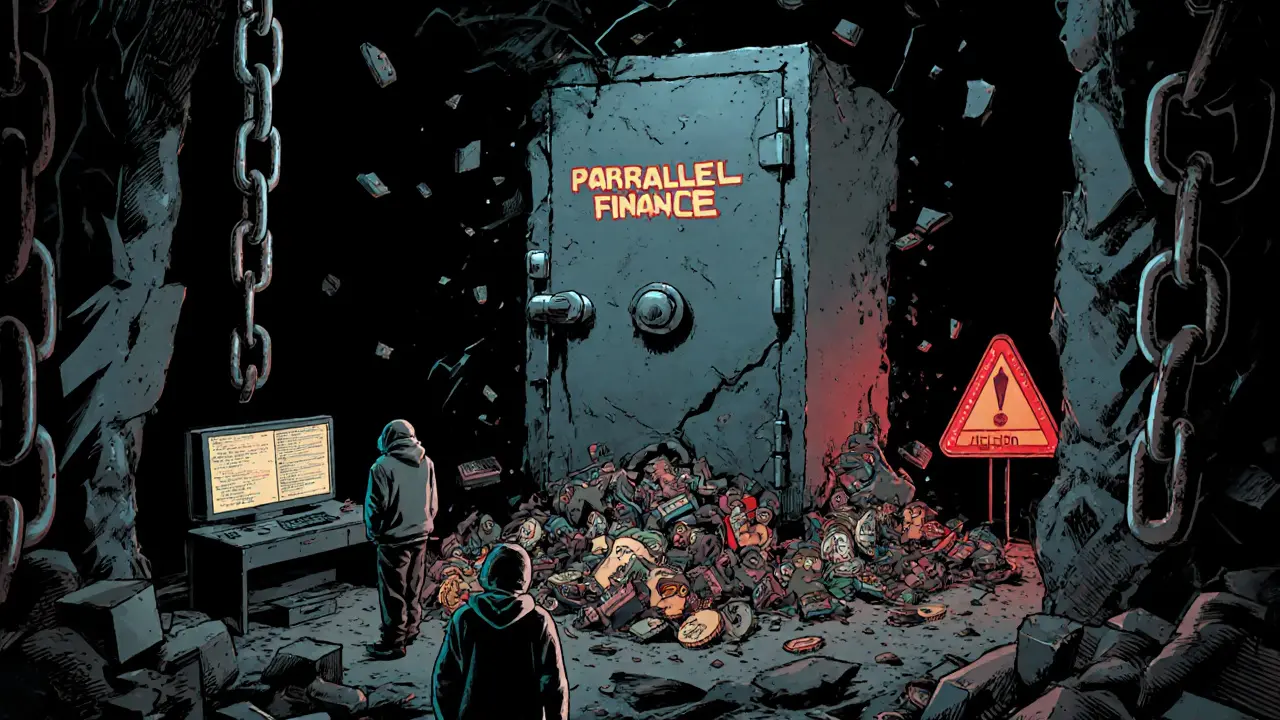
Parallel Finance was once a promising Polkadot DeFi platform, but after shutting down NFT lending in 2024 and leaving users' assets stranded, it's now a cautionary tale. Here's what's left - and why you should avoid it.
Continue Reading