WOR scam: What it is, how it works, and how to avoid losing money
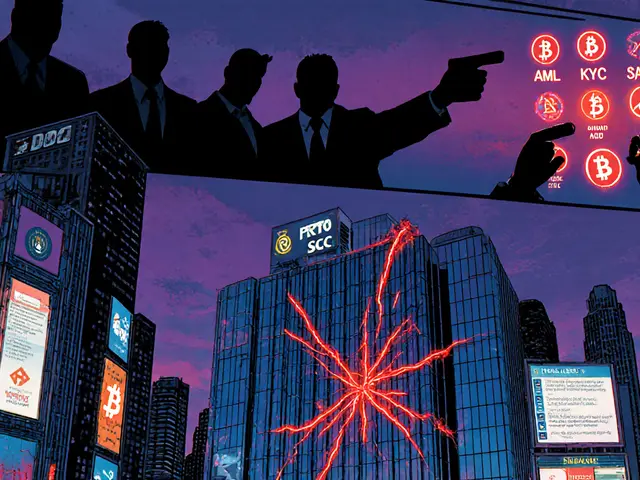
When you hear about WOR scam, a deceptive crypto scheme where a token is launched with no real value, lures investors with hype, then disappears with all the funds. Also known as a rug pull, it’s one of the most common ways people lose money in crypto. These aren’t glitches or bad investments—they’re designed thefts. Developers create a token, list it on a small exchange, flood social media with fake testimonials, and watch the price climb. Once enough money pours in, they drain the liquidity pool and vanish. No warning. No explanation. Just a dead token and empty wallets.
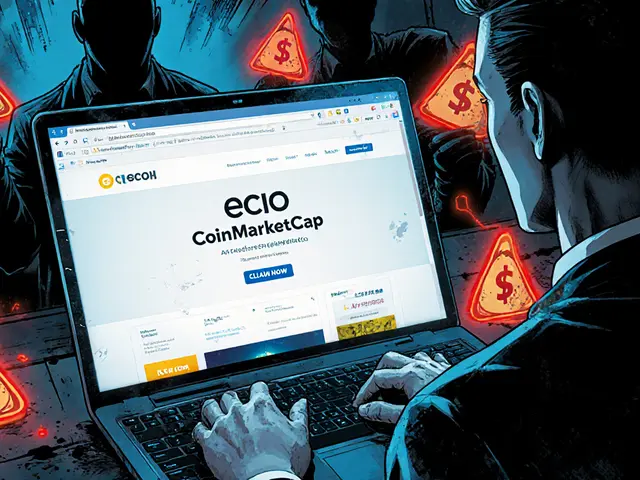
The rug pull, a type of crypto scam where creators abandon a project after extracting investor funds is the engine behind the WOR scam. You’ll see the same patterns over and over: no real team, no working product, no audit, and a website that looks like it was made in an hour. Some even fake GitHub activity or hire actors to pretend they’re developers. The fake token, a digital asset with zero utility, created solely to trick people into buying it is just the tool. The real crime is the manipulation—using fear of missing out, celebrity shills, and fake volume to make you believe you’re getting in early.
Look at what happened with WOR and similar tokens. They often appear after a big market rally, when people are eager to chase quick gains. They promise impossible returns—100x, 1000x—while hiding behind vague whitepapers and anonymous teams. The same red flags show up in the posts here: tokens with zero trading volume after launch, projects with no website or social media presence, and communities that get shut down the moment the money is gone. You’ll find examples like NBX (BYN), Parallel Finance, and OC Protocol—projects that looked promising until they didn’t. None of them had real use. None of them lasted. And none of them were ever meant to.
It’s not about being smart enough to spot the scam. It’s about asking the right questions before you send money. Who’s behind it? Where’s the code? Is there real trading, or just bots? Is the liquidity locked, or can the team pull it anytime? If you can’t answer those with clear, public answers, walk away. The crypto space has real innovation—DeFi platforms like SushiSwap V3, Velodrome v3, and even regulated ETFs like DOGE ETF—but those aren’t the ones screaming on Telegram. The ones that matter don’t need hype. They don’t need influencers. They just need time to build.
Below, you’ll find real cases of crypto scams that followed the exact same path as the WOR scam. Some are dead tokens. Others are platforms that left users stranded. All of them teach the same lesson: if it sounds too good to be true, it is. And if the team won’t show their face, don’t give them your money.
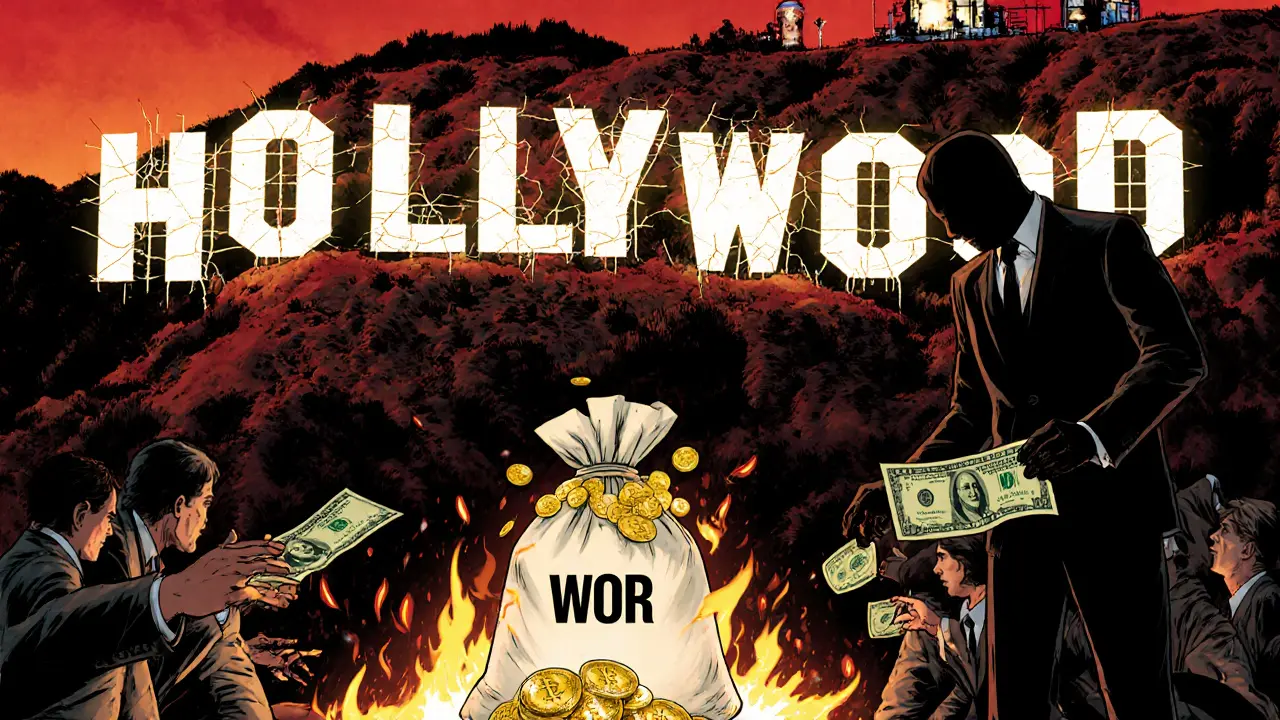
WOR crypto is a fraudulent token pretending to revolutionize film with blockchain. It has no real team, no partnerships, and a 99.5% price crash. Experts call it a scam. Avoid it.
Continue Reading