CBSN CMC StakeHouse Game Airdrop: BlockSwap Network Details
Have you ever stared at your screen wondering if that new CBSN token drop is actually worth your time? You are not alone. The crypto space moves fast, and projects like the BlockSwap Network are popping up with promises of easy rewards through games like the CMC StakeHouse. But here is the thing: most people miss the fine print. They click, they connect their wallets, and they hope for the best. This article breaks down exactly what this airdrop involves, how the mechanics work, and why you need to be careful before you commit your assets.
What Is the CBSN Token and BlockSwap Network?
To understand the airdrop, you first need to know what you are getting. CBSN is the native utility token of the BlockSwap Network, a decentralized infrastructure designed to facilitate cross-chain asset swaps. Think of it as the fuel for a machine that lets you move digital goods between different blockchains without needing a middleman bank. Unlike older networks that struggle with congestion, BlockSwap aims for speed and low fees, positioning itself as a competitor to established players in the DeFi space.
The network relies on a community-driven model. Instead of just holding tokens, users participate in governance and liquidity provision. This is where the game comes in. The developers realized that static staking gets boring. So, they gamified the process. By turning participation into a competition, they hope to keep engagement high during the volatile early stages of the project's lifecycle.
Inside the CMC StakeHouse Game Mechanics
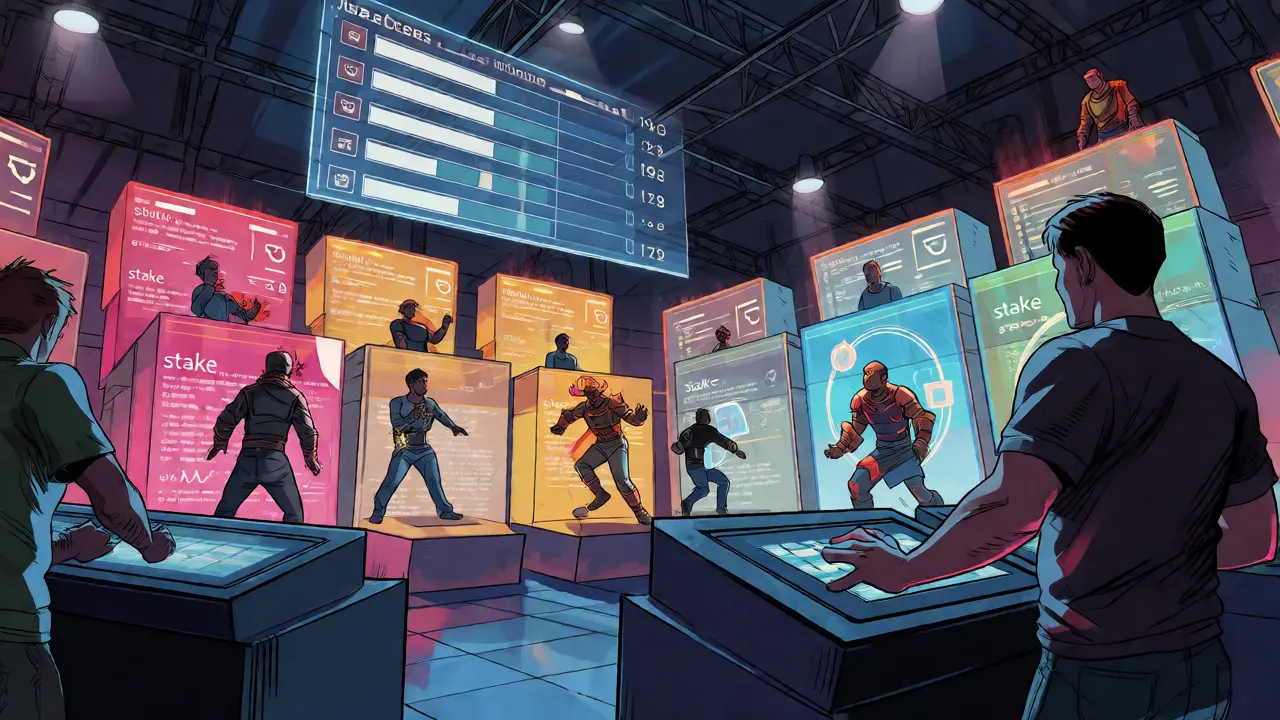
The CMC StakeHouse is not just a simple "click-to-earn" button. It is a strategic layer built on top of the BlockSwap protocol. The core idea is simple: you stake your assets or points, and you compete against other players for a larger share of the reward pool. But there is a twist. Your rank depends on consistency, not just volume.
Here is how the system typically works in these types of gamified airdrops:
- Entry Requirements: You usually need a minimum balance of CBSN or a specific NFT to enter the StakeHouse.
- Scoring System: Points are awarded based on lock-up duration and interaction frequency. Longer locks often yield higher multipliers.
- Leaderboards: Real-time rankings show who is earning the most. This creates social pressure and encourages daily check-ins.
- Reward Distribution: Weekly or monthly snapshots determine who gets paid. Smart contracts handle the payouts automatically.
This structure prevents whales from dominating instantly. If you start small but stay active, you can still climb the ranks. It rewards behavior that benefits the network, such as keeping liquidity stable, rather than just dumping after a quick flip.
How to Participate: Step-by-Step Guide
If you want to join the race for CBSN tokens, follow these steps carefully. Missing one could mean missing out entirely.
- Set Up a Compatible Wallet: Ensure you have a Web3 wallet like MetaMask or Trust Wallet. Verify that it supports the specific chain BlockSwap uses (check the official docs for current network compatibility).
- Acquire Initial Assets: You will likely need some base currency to pay gas fees and potentially buy entry tickets or initial stakes. Do not send all your funds; keep a buffer for transactions.
- Connect to the StakeHouse Portal: Navigate to the official BlockSwap website. Look for the "StakeHouse" or "Play" section. Always double-check the URL to avoid phishing sites.
- Stake and Play: Follow the on-screen prompts to deposit your assets. Interact with the game features-this might involve completing quests, voting on proposals, or simply maintaining your stake over time.
- Claim Rewards: After the snapshot period ends, return to the portal to claim your CBSN tokens. Some projects require manual claiming; others auto-distribute.
Airdrop Eligibility and Snapshot Criteria
Not everyone who plays gets paid. The eligibility criteria are strict. Developers use these rules to filter out bots and ensure the rewards go to genuine users. Here is a breakdown of common requirements seen in similar BlockSwap initiatives:
| Criterion | Requirement | Why It Matters |
|---|---|---|
| Minimum Stake Amount | Varies by season (e.g., 100 CBSN) | Prevents dust attacks and ensures skin in the game. |
| Lock-Up Duration | 7 to 30 days minimum | Reduces sell pressure immediately after distribution. |
| Active Transactions | At least 5 interactions per week | Proves human activity, not just idle holding. |
| KYC Verification | Optional for early tiers, mandatory for large amounts | Compliance with local regulations. |
Notice the emphasis on activity. Passive holders often get lower multipliers than active participants. This aligns incentives: the network wants users who engage, not just speculators waiting to dump.
Risks and Red Flags to Watch For
Let’s be real. Crypto airdrops are high-risk. While the potential upside is exciting, the downsides can hurt. First, smart contract risks are real. If the code has a bug, your funds could be stuck or drained. Second, regulatory uncertainty looms over many new tokens. CBSN might face listing delays or exchange restrictions depending on your jurisdiction.
Also, watch out for fake websites. Scammers love new airdrops. They create clones of the StakeHouse interface and ask you to sign malicious transactions. Never sign a transaction you do not understand. If a site asks for your private key, run away. Legitimate dApps only ask for wallet connection permissions.
Finally, consider the tokenomics. If too many tokens are released at once, the price will crash. Check the vesting schedule. Are you getting all your CBSN upfront, or does it unlock over six months? Delayed unlocks protect the price floor but tie up your capital.
Community Sentiment and Future Outlook
How is the community reacting? Early feedback suggests excitement mixed with caution. Users appreciate the gamification aspect because it makes DeFi less intimidating. However, some complain about the complexity of the scoring algorithm. Transparency is key here. BlockSwap needs to publish clear leaderboards and audit reports to maintain trust.
Looking ahead, the success of CBSN depends on adoption beyond the airdrop. If the StakeHouse game drives sustained usage of the BlockSwap Network, the token has value. If people leave once the free money stops, the project might struggle. Keep an eye on total value locked (TVL) metrics post-airdrop. That is the true test of health.
Frequently Asked Questions
Is the CBSN airdrop free to enter?
Usually, no. While there is no direct fee to register, you need to hold assets to pay for gas fees and meet minimum stake requirements. These costs vary depending on network congestion.
When will I receive my CBSN tokens?
Distribution timelines vary by season. Typically, claims open within 7-14 days after the snapshot date. Check the official BlockSwap Discord or Twitter for exact dates.
Can I lose my funds in the StakeHouse game?
Your principal stake remains yours unless you choose to withdraw it. However, you risk opportunity cost and potential smart contract vulnerabilities. Always use reputable wallets.
Do I need KYC to participate?
For smaller amounts, KYC is often optional. Larger allocations may require verification to comply with anti-money laundering laws. This protects both you and the platform.
What happens if I unstake early?
Early unstaking usually results in penalties or forfeiture of accrued rewards. Read the specific terms for each season, as rules can change between rounds.