How Iranian Citizens Access DEXs in 2026: A Practical Guide to Decentralized Options
For years, the story of cryptocurrency in Iran was simple: you went to a centralized exchange like Nobitex, bought USDT, and moved on. But that world changed dramatically in mid-2025. Between massive Tether freezes, a $90 million hack at the country’s biggest exchange, and new government laws demanding total data transparency, the old ways became risky. Now, Iranian citizens are looking for decentralized exchanges (DEXs) as a safer, more private alternative. The question isn't just if you *can* use them, but how to do it without getting flagged or losing your funds.
This guide breaks down exactly what has changed, why decentralized options are suddenly critical, and which specific protocols and networks are currently working for users inside Iran. We will look at the shift from USDT to DAI, the role of the Polygon network, and the practical steps needed to stay under the radar while trading.
The Shift From Centralized to Decentralized
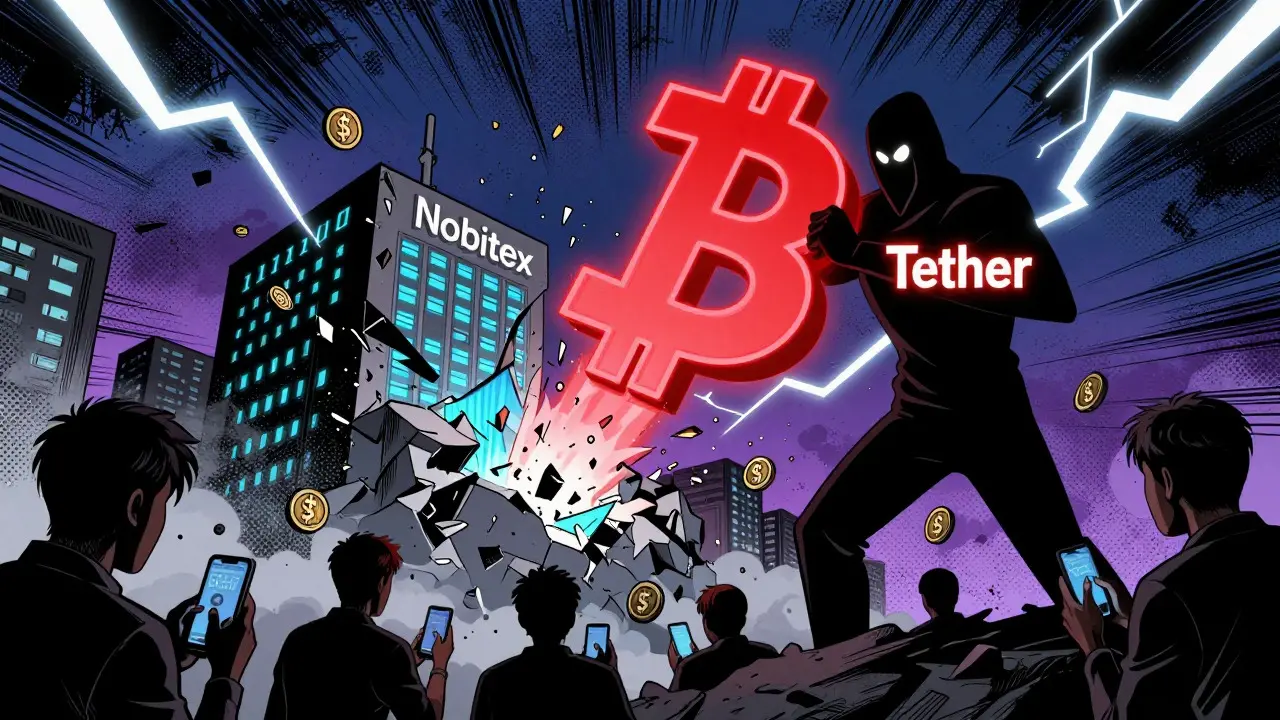
To understand why DEX access is now a priority, you have to look at what happened in July 2025. Tether, the issuer of the USDT stablecoin, executed its largest-ever freeze of Iranian-linked funds. They locked up 42 addresses, many of which were connected to Nobitex. This wasn't just a glitch; it was a coordinated enforcement action that showed how vulnerable centralized holdings are when geopolitical tensions rise.
Nobitex had been the undisputed king of Iranian crypto, handling over 87% of transactions. But after the freeze-and a separate security breach where they lost over $90 million-trust evaporated. Users realized that keeping assets on a platform that reports to the Central Bank of Iran (CBI) or interacts with sanctioned entities was dangerous. The CBI’s January 2025 directive gave the bank unrestricted access to all crypto transaction data. If you want privacy, you need to leave the centralized ecosystem.
This is where decentralized exchanges come in. Unlike Nobitex, a DEX doesn’t hold your money. It uses smart contracts to swap tokens directly between wallets. No KYC (Know Your Customer), no central server to subpoena, and no single point of failure. For an Iranian user, this means less exposure to both local surveillance and international sanctions enforcement.
Why Polygon and DAI Are the New Standard
If you are trying to access a DEX from Iran today, you likely won't be using Ethereum mainnet. It’s too slow and the gas fees are too high. Instead, the market has shifted heavily toward the Polygon network, a layer-2 scaling solution that offers fast transactions at a fraction of the cost.
Following the Tether freezes, there was a rapid migration among Iranian traders away from USDT. Why? Because USDT is issued by a centralized company that can freeze accounts. The alternative that emerged was DAI, a decentralized stablecoin pegged to the US dollar. DAI cannot be frozen by a central authority in the same way USDT can. You mint it or buy it through decentralized protocols, and it lives in your wallet.
The combination of Polygon and DAI created a perfect storm for accessibility. Here is why this pair works so well for users facing restrictions:
- Speed: Transactions on Polygon settle in seconds, not minutes.
- Cost: Gas fees are often less than $0.01, making small trades viable.
- Censorship Resistance: Since DAI is decentralized, holding it reduces the risk of sudden asset freezing.
- Liquidity: Major DEXs like Uniswap and SushiSwap have deep liquidity pools for DAI on Polygon.
This shift demonstrates that Iranian users are technically adept. They didn't just panic-sell; they adapted by moving to infrastructure that offered better protection against external shocks.
Top Decentralized Exchange Options for Iranian Users
Not all DEXs are created equal. When operating under strict internet filters and financial sanctions, you need platforms that are robust, non-custodial, and widely supported. Here are the top options currently used by savvy traders in the region.
| Exchange Name | Primary Network | Key Advantage | Risk Level |
|---|---|---|---|
| Uniswap | Ethereum, Polygon, Arbitrum | Highest liquidity; industry standard | Low (Protocol level) |
| SushiSwap | Polygon, Ethereum, BSC | User-friendly interface; multi-chain support | Low |
| PancakeSwap | Binance Smart Chain (BNB Chain) | Very low fees; high adoption in Asia/Middle East | Medium (BSC congestion issues) |
| Curve Finance | Ethereum, Polygon | Best for stablecoin swaps (e.g., DAI to USDC) | Low |
Uniswap remains the gold standard. It is open-source, meaning anyone can audit the code. While it started on Ethereum, its integration with Polygon makes it accessible for daily trading. SushiSwap is a close second, offering a similar experience but with a more community-driven governance model. Both allow you to connect a wallet like MetaMask and trade instantly.
PancakeSwap is worth mentioning because Binance Smart Chain (now BNB Chain) has historically been popular in regions with high fee sensitivity. However, BSC has faced its own scrutiny regarding sanctions compliance, so Polygon-based solutions are generally preferred for maximum neutrality right now.
Practical Steps to Access DEXs from Iran
Knowing which exchange to use is only half the battle. Getting there requires navigating Iran's internet infrastructure and avoiding digital footprints. Here is a step-by-step approach based on current best practices observed in 2025 and 2026.
- Secure Your Internet Connection: Most Iranian users rely on Virtual Private Networks (VPNs) to bypass local firewalls. However, not all VPNs are safe. Free apps often log data. Use a reputable, paid provider that has a strict no-logs policy and supports obfuscation (stealth servers). This hides the fact that you are even using a VPN from your ISP.
- Set Up a Non-Custodial Wallet: Download MetaMask or Trust Wallet. These wallets store your private keys on your device, not on a server. Never share your seed phrase. Install the wallet extension on your browser or the mobile app.
- Add the Polygon Network: By default, MetaMask connects to Ethereum Mainnet. Go to settings, add a custom RPC, and input the details for Polygon Mainnet. This ensures your transactions go through the faster, cheaper network.
- Acquire Initial Crypto: This is the hardest part. Since direct fiat-to-crypto on-chain is difficult, many users still use peer-to-peer (P2P) markets on platforms like Bisq or HodlHodl, or they use trusted local contacts to send small amounts of ETH or MATIC to their wallet address. Avoid sending large sums to known exchange addresses.
- Swap to DAI: Once you have MATIC or ETH in your wallet, connect to Uniswap or SushiSwap. Swap your asset for DAI. Keep your holdings in DAI rather than volatile altcoins unless you are actively trading.
A pro tip: Always keep a small amount of MATIC in your wallet for gas fees. If you run out, you can't move your DAI, and recovering it can be complicated.

Navigating Regulatory Risks in 2026
The legal landscape in Iran is tight. In August 2025, the government passed the Law on Taxation of Speculation and Profiteering, which imposes capital gains tax on crypto trading. The Central Bank of Iran also demands licenses for all crypto participants. While enforcing this on decentralized protocols is technically difficult, the government is monitoring blockchain activity closely.
Here is what you need to watch out for:
- On-Ramp Scrutiny: The danger zone is usually entering the system. If you use a centralized exchange to buy crypto before moving it to a DEX, that initial purchase is recorded. Minimize interaction with centralized platforms. Use P2P methods where possible.
- Tax Implications: If you make significant profits, be aware that the government considers crypto a taxable speculative asset. Keeping records of your transactions may be necessary if audited, though most retail users operate under the radar.
- Sanctions Spillover: U.S. Treasury actions, like the designation of Iran's Cross-Border Interbank Messaging System (CIMS) in August 2025, show that global pressure is increasing. Ensure your DEX interactions don't touch sanctioned addresses. Most major DEXs have built-in screening tools, but it's good to be cautious.
The key takeaway is that decentralization helps, but it doesn't make you invisible. Blockchain is public. Use techniques like mixing services (with caution) or swapping through multiple hops if you are moving large amounts.
Future Outlook: Will DEX Access Remain Stable?
The trend is clear: Iranian users are becoming more sophisticated. The rapid pivot to Polygon and DAI in mid-2025 proved that the community can adapt quickly to enforcement actions. As centralized exchanges face more hacks and freezes, the demand for self-custody solutions will grow.
However, the government is not standing still. With the CBI gaining more power and new tax laws taking effect, the friction for using crypto will increase. Expect to see more emphasis on licensed mining operations and tighter controls on energy usage, as seen with the crackdowns on illegal miners during power outages in late 2024.
For the average citizen, the path forward involves staying educated on protocol changes, maintaining secure hardware setups, and diversifying across networks. Don't put all your eggs in one basket. If Polygon faces issues, know how to switch to Arbitrum or Optimism. Flexibility is your best defense.
Is it legal to use a DEX in Iran?
Technically, the Central Bank of Iran regulates all crypto activities and requires licenses. While using a DEX is hard to enforce due to its decentralized nature, participating in unlicensed crypto trading could theoretically violate local regulations. However, millions of Iranians use crypto for savings and remittances, creating a de facto acceptance despite formal restrictions.
Which DEX is best for Iranian users?
Uniswap and SushiSwap on the Polygon network are currently the most popular choices. They offer low fees, fast speeds, and high liquidity for stablecoins like DAI, which are preferred over USDT due to censorship resistance.
Can my DEX funds be frozen?
True decentralized assets like DAI or native tokens on a DEX cannot be frozen by a central authority. However, if you hold USDT or other centralized stablecoins, those can still be frozen by the issuer regardless of whether they are in a DEX or a personal wallet.
Do I need a VPN to access DEXs in Iran?
Yes, most likely. Many foreign websites and services are blocked or throttled in Iran. A reliable, no-logs VPN is essential to access DEX interfaces like Uniswap.org and to ensure your connection isn't monitored by local ISPs.
What happened to Nobitex?
Nobitex, Iran's largest centralized exchange, suffered a major $90 million hack in June 2025 and faced heavy scrutiny after Tether froze linked addresses in July 2025. This led many users to migrate to decentralized alternatives for better security and privacy.