Crypto Market Manipulation: How Scams, Pump-and-Dumps, and Fake Projects Trick Investors
When you hear about a new crypto coin shooting up 1000% in a day, chances are it’s not magic—it’s crypto market manipulation, the deliberate distortion of price and perception to deceive investors. Also known as market spoofing, it’s how scammers turn empty tokens into fake fortunes before vanishing with your cash. This isn’t theory. It’s happening right now, in projects like Bullit (BULT), WOR, and OCP—coins with no team, no code, no trading volume, but headlines screaming "next 100x!"
Rug pulls, a type of crypto scam where developers abandon a project after draining liquidity. Also known as exit scams, they’re the most common form of crypto market manipulation. Look at Parallel Finance or HUNNY FINANCE—both once looked promising, then quietly shut down, leaving users with worthless tokens. Then there’s the pump and dump, a scheme where insiders buy a low-cap coin, hype it on social media, sell at the peak, and leave retail traders holding the bag. These aren’t rare. They’re the norm in low-liquidity markets, especially with tokens like NBX or CANU that have no real use, just hype.
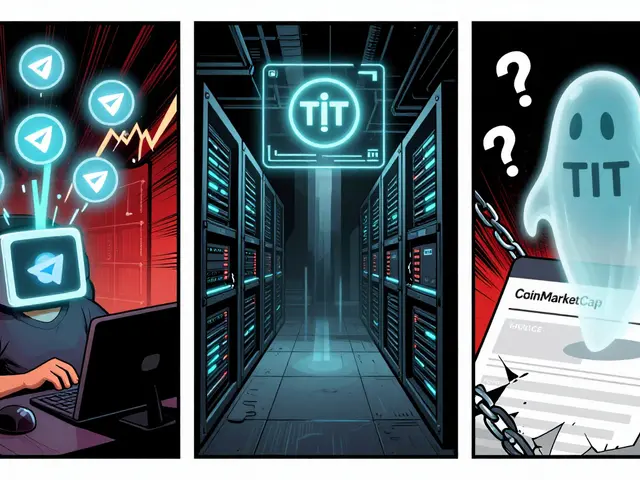
And it’s not just price games. Fake airdrops pretend to give you free tokens—like ECIO or RARA Unifarm—but they’re just phishing traps. Scammers use fake websites, cloned social accounts, and even fake CoinMarketCap listings to make it look real. You don’t need to be a pro to get fooled. All you need is trust and a little hope. The same people who push "guaranteed returns" on Telegram are the ones who own 90% of the supply. They don’t care if you win. They just need you to buy.
What’s worse? These manipulations thrive because regulators are slow, exchanges don’t vet tokens properly, and most new investors don’t know how to check for real team info, live code, or actual trading activity. You can’t trust a token just because it has a flashy logo or a YouTube influencer backing it. Look at the numbers: zero circulating supply? No website? Trading volume under $10,000? That’s not a coin—it’s a trap.
Below, you’ll find real case studies of tokens that looked like the next big thing—and turned out to be digital ghosts. Some were outright scams. Others were abandoned projects hiding behind fake promises. Each one shows the same pattern: hype first, substance never. You won’t find fluff here. Just facts, red flags, and what to do before you lose your money.
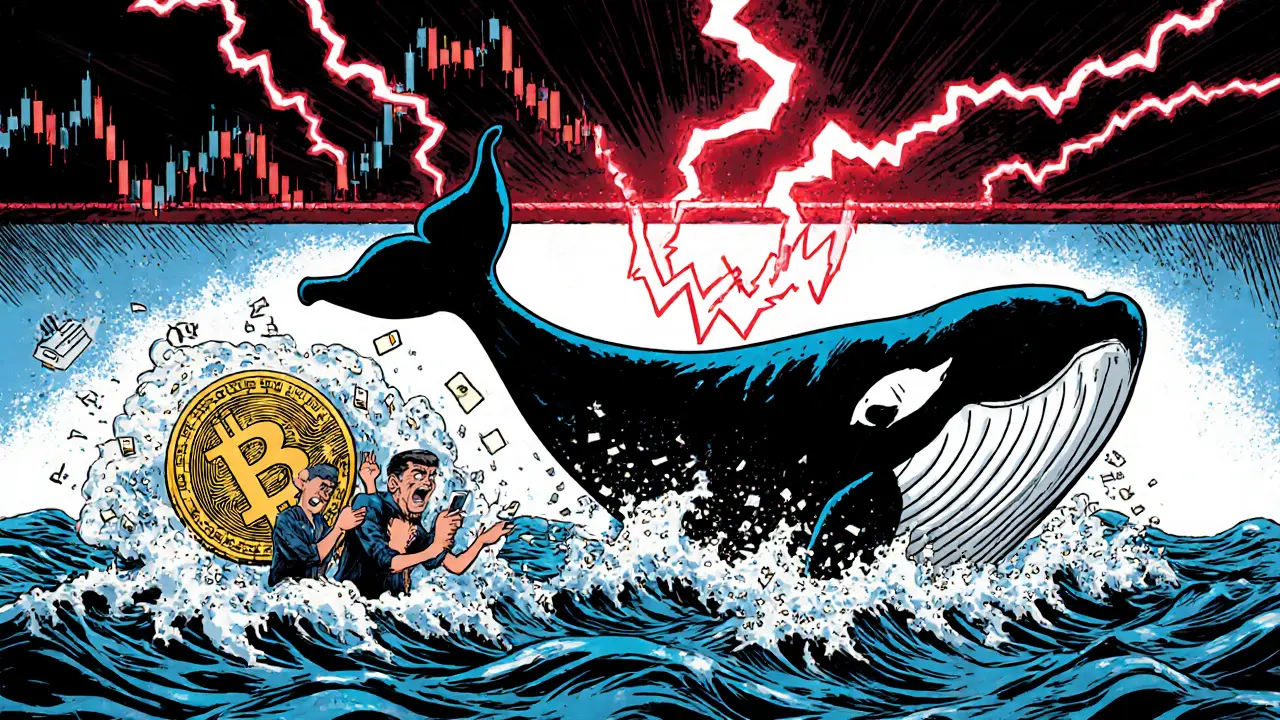
Learn how to identify whale manipulation in crypto markets-spot spoofing, stop hunting, and fake breakouts before they wipe out your positions. Understand the tactics big players use and how to protect yourself.
Continue Reading