Whale Manipulation in Crypto: How Big Players Move Markets and How to Spot It
When you see a coin suddenly spike 30% in minutes—or crash just as fast—it’s rarely luck. More often, it’s whale manipulation, the practice where large holders of a cryptocurrency use their massive holdings to artificially influence price. Also known as market manipulation, it’s how a single wallet holding 5% of a token’s supply can make retail traders buy high and sell low. These players aren’t just sitting on their coins—they’re actively trading, spoofing, and pumping to cash out before the crowd catches on.
Whale manipulation doesn’t happen in a vacuum. It’s tied to rug pull, a scam where developers create a fake project, hype it up, then vanish with investors’ money. Many tokens like Bullit (BULT) and Hollywood Capital Group WARRIOR (WOR) were pushed up by whales before crashing 99%. You’ll see the same pattern: low volume, fake news, sudden pumps, then silence. Then there’s crypto whales, individuals or entities holding massive amounts of crypto, often in wallets that move millions in a single transaction. They’re not always bad—some hold long-term—but when they start dumping or buying in bursts, the market reacts like a puppet on strings.
It’s not just about price. Whales use market manipulation, a broad term covering tactics like wash trading, spoof orders, and coordinated pump groups to trick algorithms and retail traders. You might think a surge means real demand—but it could just be a bot farm buying from a whale’s own wallet to create fake volume. That’s how tokens like OCP (with zero circulating supply) or NBX (down 99.8%) stay alive long enough to drain wallets.
There’s no magic shield against this. But you can spot the signs: sudden spikes with no news, trading volume that doesn’t match the coin’s size, wallets moving huge sums right before a pump, and teams that vanish after launch. If a token has no team, no code, and no real use—but everyone’s talking about it—it’s probably being manipulated. The posts below show real cases: from fake airdrops used to lure buyers, to exchanges like HTX where leverage lets whales crush small positions in seconds. You’ll see how these moves play out, what to watch for, and how to protect your money before the next big drop.
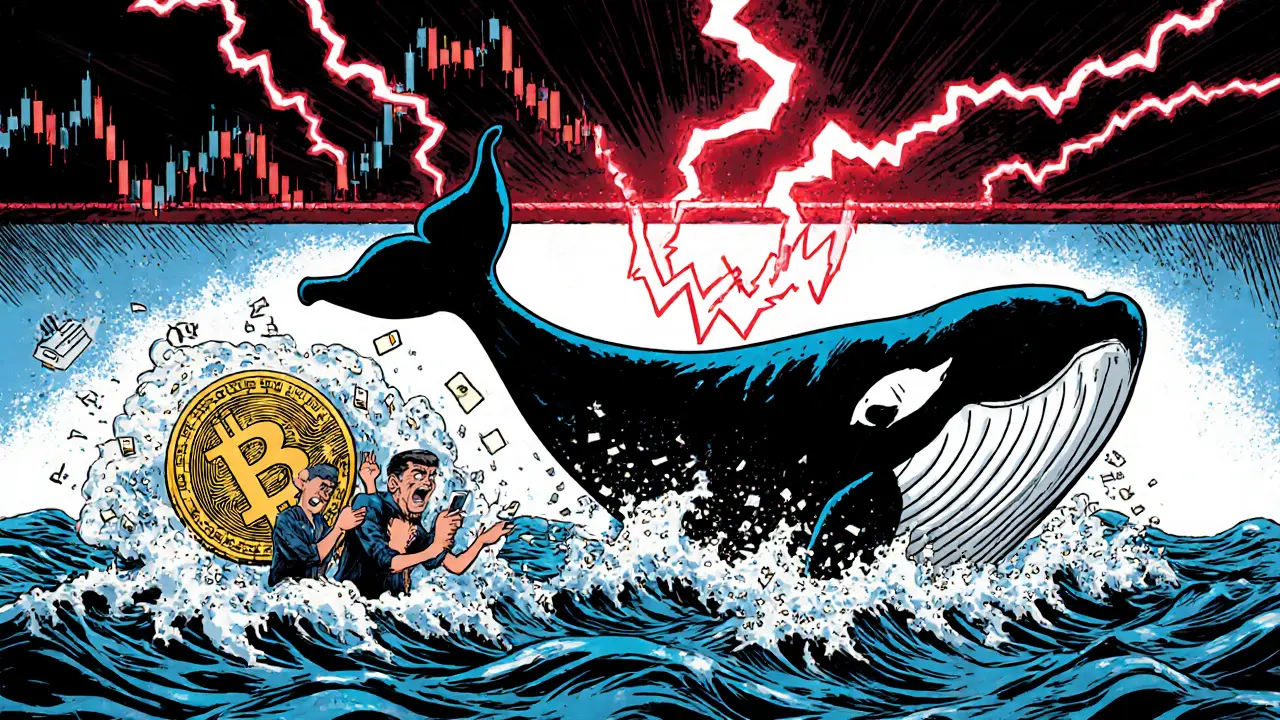
Learn how to identify whale manipulation in crypto markets-spot spoofing, stop hunting, and fake breakouts before they wipe out your positions. Understand the tactics big players use and how to protect yourself.
Continue Reading